



The Need for Speed in Modern Marketing
You’ve felt it, haven’t you? That gnawing sensation of falling behind, even when you’re working diligently. In today’s marketing landscape, the pace is relentless. Customer expectations are higher than ever, demanding personalized experiences and immediate responses. Competitors are constantly innovating, ready to snatch away market share if you falter. Traditional reporting methods, often reliant on weekly or even monthly data dumps, simply can’t keep up. By the time you receive a compiled report, analyze the findings, and formulate a strategy, the opportunity might have already passed. The market has shifted, consumer sentiment has changed, and your meticulously crafted plan is, to some extent, already obsolete. This isn’t just about being efficient; it’s about survival and growth in a hyper-competitive environment. You need to be agile, responsive, and proactive. You need to see what’s happening now, not what happened last week or last month.
Imagine a world where you’re always a step ahead, where you can instantly gauge the effectiveness of your campaigns, identify emerging trends, and pivot your strategy with confidence. This isn’t a pipe dream; it’s the reality that real-time reporting dashboards offer. They transform raw data into actionable insights, delivered to you in an easily digestible format, exactly when you need it. No more waiting, no more guessing. Just clear, concise information that empowers you to make smarter decisions, faster. You’ll move from reacting to proactively shaping your marketing destiny. The sheer volume of data generated by modern marketing activities – from website analytics and social media engagement to email campaigns and ad performance – is staggering. Without real-time aggregation and visualization, this data becomes an overwhelming flood rather than a valuable resource. You need a system that acts as your intelligent filter, highlighting what matters most in the moment.
The Limitations of Traditional Reporting
You’ve undoubtedly experienced the frustration of traditional marketing reports. Typically, these involve manual data extraction from various platforms, followed by compilation into spreadsheets or static presentations. This process is inherently time-consuming and prone to human error. By the time the report lands on your desk, the data is no longer fresh. Key performance indicators (KPIs) like website traffic, conversion rates, or social media engagement are snapshots from the past. If a campaign is underperforming, you might not discover it until days or even weeks after its launch, leading to wasted ad spend and missed opportunities for optimization. Furthermore, traditional reports often lack the granularity you need to truly understand why something is happening. You might see a dip in sales, but without immediate, detailed data on user behavior, traffic sources, or specific ad creatives, pinpointing the root cause becomes a laborious and delayed investigation. This reactive approach stifles innovation and agility.
The Agility Imperative for Marketers
In a landscape where algorithms are constantly changing, consumer preferences are fluid, and competitor actions can shift overnight, agility isn’t a luxury; it’s a fundamental requirement. You need to be able to test, learn, and iterate at an accelerated pace. A/B testing, for instance, loses much of its impact if you have to wait days to see which variation is performing better. Similarly, responding to a viral trend or a sudden surge in interest around a particular product requires instant access to relevant data to capitalize on the moment. Without real-time insights, your marketing efforts are akin to navigating a complex terrain with an outdated map. You might eventually reach your destination, but you’ll waste considerable time and resources, and likely miss out on more efficient routes or hidden treasures along the way. Your ability to adapt and pivot quickly directly impacts your return on investment and market competitiveness.
In the ever-evolving landscape of digital marketing, the importance of real-time reporting dashboards cannot be overstated, as they significantly enhance marketing speed and decision-making. For those interested in further optimizing their marketing strategies, a related article on creating efficient web forms can be found here: Create a Stylish Responsive Web Form in Minutes. This resource provides valuable insights into how responsive web forms can streamline data collection and improve user engagement, ultimately complementing the benefits of real-time reporting.
Instant Insights for Proactive Decision-Making
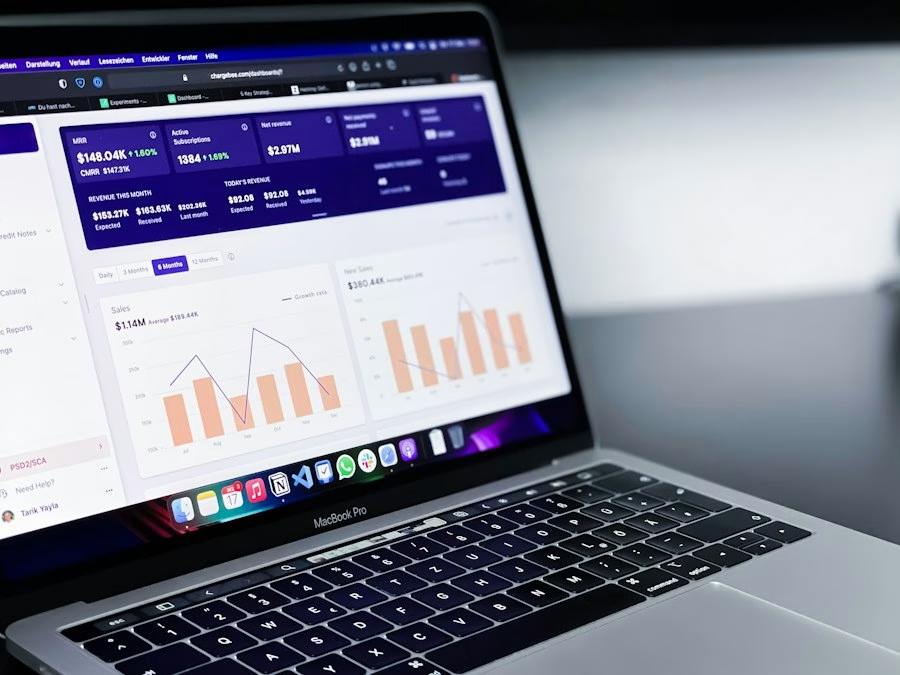

Imagine sitting at your desk, and with a quick glance at a screen, you can see exactly how your latest ad campaign is performing right now. You notice a specific ad creative is generating significantly more clicks than others, or that traffic from a particular geographic region is surging. This isn’t a hypothetical scenario; it’s the power of real-time reporting dashboards. These dashboards aggregate data from all your disparate marketing channels – your website analytics, social media platforms, email marketing software, advertising accounts, CRM systems, and more – and present it to you in a single, intuitive interface. You’re no longer sifting through multiple platforms or waiting for consolidated reports. The information you need to make informed decisions is literally at your fingertips, updated continuously. This immediate visibility allows you to move from a reactive posture to a proactive one, anticipating trends and seizing opportunities before your competitors even realize they exist.
You can spot anomalies in performance instantly. If your website conversion rate suddenly drops, you’ll know within minutes, allowing you to investigate potential technical issues or changes in user behavior before they significantly impact revenue. If a social media post is unexpectedly gaining massive traction, you can quickly double down on that content, allocate more resources to promote it, or even spin up a related campaign to capitalize on the momentum. This isn’t just about fixing problems; it’s about amplifying successes. By having a pulse on your marketing ecosystem at all times, you can optimize campaigns while they’re still running, tweak messaging for maximum impact, and reallocate budget to the highest-performing channels. This continuous optimization cycle leads to significantly higher ROI and a much more efficient use of your marketing resources. You’ll be able to answer critical questions about your marketing effectiveness not in days, but in moments.
Real-Time Campaign Optimization
One of the most immediate and impactful benefits you’ll experience with real-time dashboards is the ability to optimize your campaigns on the fly. You’re no longer launching a campaign and hoping for the best until the next reporting cycle. Instead, you’re an active pilot, constantly adjusting the controls to ensure optimal performance. Are your Facebook ads generating a high cost per click? You’ll see it immediately and can test different ad creatives, adjust targeting, or refine your bidding strategy. Is a specific landing page experiencing a high bounce rate? You can investigate the user experience, A/B test different elements, or revise your call to action within the same day. This continuous feedback loop means you’re minimizing wasted ad spend and maximizing your return on investment. You’re not just improving campaigns; you’re perfecting them in real-time, learning from every interaction and applying those insights instantly. This iterative optimization dramatically accelerates your learning curve and significantly improves overall campaign effectiveness.
Identifying Emerging Trends and Opportunities
With real-time data, you gain an unprecedented ability to spot emerging trends and capitalize on new opportunities. Imagine a sudden surge in search queries for a specific product feature you offer, or a trending hashtag on social media that aligns perfectly with your brand’s values. Without real-time dashboards, these fleeting moments might pass unnoticed, leaving you to play catch-up later. With real-time data, you can immediately identify these shifts, understand the context, and launch timely, relevant marketing initiatives. This could involve creating new content, developing targeted ad campaigns, or even adjusting your product messaging to resonate with the current zeitgeist. This agility allows you to be a trendsetter, not just a follower. You can anticipate market shifts, tap into new consumer interests, and position your brand at the forefront of cultural conversations, driving engagement and acquiring new customers who are actively looking for what you offer.
Enhanced Performance Monitoring and Alerting
Real-time dashboards aren’t just for passive viewing; they are active monitoring systems. Many advanced dashboards offer customizable alert functionalities. You can set thresholds for critical KPIs – for example, if your conversion rate drops below a certain percentage, or if your website traffic unexpectedly plummets. When these thresholds are crossed, you’ll receive immediate notifications via email, SMS, or even directly within the dashboard interface. This proactive alerting system means you don’t have to constantly babysit your data. The dashboard does the heavy lifting, bringing critical issues to your attention the moment they arise. This allows you to address problems before they escalate, preventing significant losses in revenue or brand reputation. Conversely, you can also set alerts for positive surges, like unexpected virality or a sudden spike in engagement, enabling you to quickly capitalize on these positive developments and amplify their impact.
Fostering Cross-Functional Alignment and Transparency


You know the feeling: different teams working in silos, each with their own data sources and reporting cycles. The sales team sees one set of numbers, marketing another, and leadership yet another. This disconnect leads to miscommunication, finger-pointing, and ultimately, a lack of cohesive strategy. Real-time reporting dashboards act as a unifying force, breaking down these barriers and fostering unprecedented cross-functional alignment and transparency. By providing a single source of truth for all key marketing metrics, these dashboards ensure that everyone, from the CEO to the front-line marketing specialist, is looking at the same up-to-the-minute data. This shared understanding is invaluable. It eliminates debates over data accuracy, streamlines decision-making, and allows teams to collaborate more effectively towards common goals.
Imagine a situation where the sales team sees in real-time that leads generated by a specific marketing campaign are converting at an exceptionally high rate. They can then prioritize those leads, tailor their outreach, and provide direct feedback to the marketing team, who can, in turn, double down on that successful campaign. Conversely, if a campaign isn’t generating qualified leads, both teams can identify the issue together and strategize on adjustments. This dynamic interplay, fueled by shared real-time data, transforms departmental interactions from sequential hand-offs into collaborative, continuous feedback loops. You’re not just sharing data; you’re building a common operational picture that empowers collective action and accelerates collective success. The days of quarterly reviews revealing discrepancies are over; you’re making adjustments and celebrating successes as they happen.
A Single Source of Truth for All Stakeholders
One of the most significant advantages of real-time dashboards is establishing a “single source of truth” for your marketing data. No more conflicting spreadsheets, outdated reports, or arguments over which metric is accurate. When all relevant stakeholders – marketing, sales, product development, executive leadership, and even external agencies – are viewing the same real-time dashboard, everyone operates from the same factual foundation. This transparency builds trust and accountability. It ensures that strategic discussions are based on current performance, not historical estimates. You can present compelling evidence for budget requests, demonstrate the ROI of specific initiatives, and justify strategic pivots with confidence, knowing that the data you’re presenting is universally accepted and understood across the organization. This shared data environment fosters a culture of data-driven decision-making throughout the entire company.
Empowering Sales with Marketing Insights
The synergy between marketing and sales is critical, and real-time dashboards significantly strengthen this relationship. Sales teams often complain about the quality or volume of leads from marketing. With real-time dashboards, you can bridge this gap. Sales representatives can see the performance of various marketing channels and campaigns in real-time, understanding where their leads are originating and what messaging has already resonated with them. Marketing, in turn, can monitor sales conversion rates for different lead segments, allowing them to refine targeting and messaging to deliver even higher quality leads. This immediate feedback loop means that marketing can quickly adjust strategies to better support sales objectives, while sales can leverage marketing insights to close deals more effectively. It transforms the often-adversarial relationship into a truly collaborative partnership focused on shared revenue goals.
Streamlining Reporting for Executive Leadership
For executive leadership, time is a precious commodity. They need high-level insights that allow them to grasp the overall marketing performance quickly and identify areas for strategic focus. Real-time dashboards are perfectly suited for this. Instead of wading through lengthy reports, executives can access customized dashboards that display only the most critical KPIs, aggregated at a high level, updated continuously. This provides them with an instant pulse on the marketing department’s effectiveness, allowing them to make informed strategic decisions about resource allocation, budget approval, and overall business direction without waiting for periodic summaries. The ability to drill down into specific details if needed also provides reassurance and deeper understanding, but the default view is always concise and actionable, empowering rapid, data-backed leadership.
Maximizing ROI and Demonstrating Value
You’re constantly under pressure to justify your marketing spend and demonstrate tangible value. In a world where every dollar needs to work harder, merely tracking activities isn’t enough; you need to prove impact. Real-time reporting dashboards are your most powerful tool in this endeavor. They provide an undeniable, continuously updated narrative of your marketing effectiveness, directly linking your efforts to business outcomes. You can instantly see which campaigns are driving revenue, which channels are delivering the highest return on investment (ROI), and which strategies are falling short. This clarity allows you to make data-driven decisions about budget allocation, shifting resources away from underperforming areas and doubling down on what works best. The result? A significant improvement in your overall marketing ROI and a clear, compelling story to tell stakeholders about the value you’re delivering.
No more waiting weeks or months to calculate the ROI of a major campaign. You can track it as it unfolds, making adjustments to maximize profitability. If a particular ad set is generating an exceptional return, you can immediately increase its budget. If another is bleeding money, you can pause it and reallocate those funds more effectively. This continuous optimization not only saves money but also ensures that your marketing budget is always working as hard as possible. Moreover, when it comes to demonstrating value to leadership, having a real-time dashboard at your disposal changes the conversation entirely. You’re not just presenting historical data; you’re showcasing live, tangible results, reinforcing the strategic importance of your marketing efforts and solidifying your position as a data-driven leader within the organization.
Optimizing Budget Allocation and Resource Management
With real-time visibility into campaign performance, you can optimize your budget allocation with unprecedented precision. You’ll know exactly which channels and campaigns are generating the highest ROI, allowing you to strategically shift your spend to maximize effectiveness. Are email campaigns outperforming social media ads for a specific product? Reallocate budget. Is a particular influencer delivering exceptional engagement and conversions? Invest more in that partnership. This dynamic approach to budget management ensures that every marketing dollar is working its hardest, preventing waste and driving greater returns. Beyond budget, you can also optimize human resources. If one team or specialist is consistently delivering stellar results, you can learn from their success and potentially scale their strategies. Conversely, if an initiative is underperforming, you can reassign resources to more impactful tasks, ensuring your team’s efforts are always aligned with your most promising opportunities.
Justifying Marketing Spend with Concrete Data
For many marketers, justifying spend to finance and executive teams is a constant battle. Real-time dashboards provide the undeniable evidence you need to back up your budget requests and demonstrate the tangible value of your initiatives. You can show, with current data, how much revenue a specific campaign has generated, what the customer acquisition cost is for different channels, and the overall ROI of your marketing efforts. This moves discussions from subjective opinions to objective facts. When you can present live dashboards that clearly show positive trends and direct contributions to the bottom line, it becomes significantly easier to secure buy-in for future projects, secure increased budgets, and ultimately elevate the perceived strategic importance of the marketing department within the organization. You’re not just spending money; you’re investing in growth, and you have the real-time data to prove it.
Identifying and Eliminating Underperforming Initiatives
Perhaps one of the most critical aspects of maximizing ROI is the ability to quickly identify and eliminate initiatives that aren’t performing. In traditional reporting, underperforming campaigns can continue to consume budget and resources for extended periods before their ineffectiveness is fully recognized. With real-time dashboards, you can spot these failures almost immediately. If an ad campaign is generating a high cost per lead with low conversion rates, or if a content piece isn’t driving any engagement, you’ll know it quickly. This allows you to either pivot the strategy, adjust the creative, or pause the initiative entirely, preventing further financial drain. The ability to fail fast and learn faster is a hallmark of agile marketing, and real-time dashboards are the cornerstone of this approach, ensuring that your resources are always directed towards the most promising avenues.
Real-time reporting dashboards play a crucial role in enhancing marketing speed by providing instant insights into campaign performance and audience engagement. For those looking to delve deeper into optimizing their marketing strategies, a related article on maximizing conversions can be particularly enlightening. By exploring techniques such as hyper-targeted segments, marketers can significantly improve their outreach efforts. You can read more about this in the article here.
Driving Continuous Improvement and Innovation
| Metric | Without Real-Time Dashboards | With Real-Time Dashboards | Impact on Marketing Speed |
|---|---|---|---|
| Data Update Frequency | Daily or Weekly | Instant / Real-Time | Enables immediate decision-making |
| Time to Identify Campaign Issues | 24-72 hours | Minutes | Faster troubleshooting and optimization |
| Campaign Adjustment Cycle | Weekly or Bi-weekly | Daily or Multiple times per day | Accelerates campaign refinement |
| Reporting Preparation Time | Several hours to days | Automated and instantaneous | Reduces manual workload and delays |
| Marketing Team Responsiveness | Moderate | High | Improves agility and competitiveness |
| ROI Visibility Lag | Weeks | Real-Time | Enables quicker budget reallocation |
You’re never truly “done” with marketing. The landscape is constantly evolving, and what worked yesterday might not work tomorrow. To stay competitive, you need a relentless focus on continuous improvement and innovation. Real-time reporting dashboards are instrumental in fostering this mindset. By providing immediate feedback on every marketing action, they create a powerful learning loop. You launch a campaign, monitor its performance in real-time, gain instant insights into what resonates with your audience and what doesn’t, and then use those insights to refine your next action. This iterative process of test, learn, and optimize accelerates your growth and hones your marketing prowess. You’re not just executing; you’re experimenting, adapting, and innovating at a pace previously unimaginable.
Consider the impact on A/B testing. Instead of running tests for weeks to gather statistically significant data, you can often gain actionable insights within days, or even hours, allowing you to implement winning variations much faster. This rapid iteration dramatically increases your overall testing velocity and the pace at which you discover optimal strategies. Beyond specific campaigns, real-time dashboards enable you to identify broader patterns and long-term trends across your entire marketing ecosystem. You can spot shifts in customer behavior, emerging market opportunities, or even subtle changes in competitor strategies. This macro-level view, coupled with the granular insights, empowers you to not just improve existing efforts but to innovate new approaches, launch pioneering campaigns, and ultimately redefine what’s possible in your marketing strategy. You’re not just reacting to change; you’re driving it.
Accelerated A/B Testing and Iteration Cycles
Real-time dashboards revolutionize the way you approach A/B testing. Traditionally, you might run an A/B test for several days or weeks to gather enough data to determine a statistically significant winner. With real-time data, you can often identify a clear winner much faster, sometimes within hours or a day, especially for high-traffic campaigns. This acceleration means you can conduct significantly more tests in the same timeframe, leading to a much steeper learning curve. Each test provides immediate feedback, allowing you to implement the winning variation and then immediately move on to testing the next hypothesis. This rapid iteration cycle means your campaigns are continuously improving, leading to faster optimization, better performance, and ultimately, a much higher ROI for your testing efforts. You’re compressing months of learning into weeks.
Data-Driven Content Strategy Refinement
Your content is the backbone of much of your marketing, and real-time dashboards provide invaluable insights for its continuous refinement. You can see, in real-time, which blog posts are generating the most traffic and engagement, which videos are being watched to completion, and which lead magnets are converting most effectively. This isn’t just about vanity metrics; it’s about understanding what truly resonates with your audience and drives desired actions. If a particular topic is suddenly gaining traction, you can quickly create more content around it. If a certain content format consistently underperforms, you can reallocate resources to more effective formats. This real-time feedback loop allows you to continuously optimize your content strategy, ensuring you’re always delivering valuable, engaging, and conversion-driving content that meets your audience’s evolving needs and interests.
Empowering Experimentation and Innovation
Finally, by reducing the risk associated with new initiatives, real-time dashboards empower a culture of experimentation and innovation within your marketing team. When you can monitor the performance of a new campaign, ad creative, or channel in real-time, you can afford to be more daring. If an experiment quickly fails, you’ll know instantly and can pivot without significant loss. If it shows promise, you can quickly double down and scale it. This ability to rapidly test and validate new ideas without waiting for lengthy reporting cycles encourages your team to think creatively, try novel approaches, and push the boundaries of your marketing strategies. You’re fostering an environment where innovation isn’t just encouraged but is actively supported by immediate, actionable data, leading to breakthrough results and a truly dynamic marketing organization.
FAQs
What is a real-time reporting dashboard?
A real-time reporting dashboard is a visual interface that displays live data and key performance indicators (KPIs) related to marketing activities. It allows marketers to monitor performance metrics as they happen, enabling quick decision-making and adjustments to strategies.
How do real-time reporting dashboards improve marketing speed?
Real-time reporting dashboards improve marketing speed by providing immediate access to data, allowing teams to quickly identify trends, measure campaign effectiveness, and respond to changes in consumer behavior or market conditions without delays.
What types of data can be tracked using real-time reporting dashboards?
Real-time reporting dashboards can track various types of data, including website traffic, social media engagement, email open rates, conversion rates, and sales figures. This comprehensive view helps marketers understand the impact of their efforts in real-time.
Can real-time reporting dashboards be customized for specific marketing needs?
Yes, real-time reporting dashboards can be customized to focus on specific metrics and KPIs that are relevant to a particular marketing strategy or campaign. This customization allows marketers to prioritize the data that matters most to their objectives.
What tools are commonly used to create real-time reporting dashboards?
Common tools used to create real-time reporting dashboards include Google Data Studio, Tableau, Microsoft Power BI, and various marketing automation platforms like HubSpot and Marketo. These tools offer features for data visualization and integration with other marketing technologies.