


Laying the Groundwork: Defining Your Campaign’s Purpose
Before you even think about crafting subject lines or designing dazzling email templates, you need to establish a rock-solid foundation for your monthly email campaigns. This isn’t just about sending emails; it’s about sending emails with a purpose, emails that drive measurable results. Without clear goals, your efforts will be scattered, your metrics will be meaningless, and your subscribers will quickly lose interest. Think of this initial phase as your strategic blueprint, a detailed plan that will guide every subsequent decision. It’s the difference between aimlessly wandering and confidently marching towards a desired destination.
Understanding Your Overall Business Objectives
Your monthly email campaigns don’t exist in a vacuum. They are integral components of your broader business strategy. Therefore, your email goals must align directly with your overarching business objectives. Are you aiming to increase sales by 15% this quarter? Is your primary focus on expanding brand awareness within a new demographic? Perhaps customer retention is a critical metric you’re trying to improve, or maybe you’re launching a new product and need to generate significant buzz.
Consider the big picture. If your business objective is to increase recurring revenue, your email campaigns might focus on promoting subscription upgrades or offering exclusive content to loyal customers. If lead generation is your priority, your emails will likely revolve around content downloads, webinar registrations, or free trials. Take the time to sit down with key stakeholders or review your business plan to identify these high-level objectives. Document them clearly, as they will serve as the ultimate north star for your email marketing efforts. Without this foundational understanding, your email campaigns risk becoming disconnected from your core business needs, leading to wasted resources and missed opportunities.
Identifying Specific, Measurable, Achievable, Relevant, and Time-bound (SMART) Goals
Once you understand your overall business objectives, it’s time to translate them into actionable, SMART goals for your email campaigns. This framework is crucial for setting yourself up for success.
Specificity in Your Email Goals
“Increase engagement” is too vague. “Increase email open rates by 5% over the next three months” is specific. Your goals should answer the “who, what, when, where, and why” questions. What exact metric are you trying to move? For example, instead of just saying “get more clicks,” specify “increase click-through rates (CTR) on promotional emails by 2 percentage points for product X in the next month.” This level of detail ensures everyone involved understands exactly what they’re working towards.
Measuring Your Progress
Every goal needs a quantifiable metric. How will you know if you’ve succeeded? This might involve tracking open rates, click-through rates, conversion rates (e.g., purchases, sign-ups, downloads), unsubscribe rates, or even revenue generated directly from email campaigns. Before you even launch a campaign, identify the key performance indicators (KPIs) that will tell you whether you’re on track. Ensure your email marketing platform provides the necessary analytics to track these metrics accurately. If you can’t measure it, you can’t improve it.
Achieving Realistic Outcomes
While ambition is commendable, setting unattainable goals can be demotivating and lead to burnout. Base your goals on historical data, industry benchmarks, and realistic expectations for your resources and audience. If your current open rate is 20%, aiming for 80% in a month is likely unrealistic. A more achievable goal might be to increase it to 25% through A/B testing subject lines and improving segmentation. Be honest with yourself about what’s truly possible given your current standing and available tools.
Relevance to Your Business Objectives
As discussed, your email goals must directly support your larger business objectives. If your business objective is to reduce customer churn, an email campaign goal focused on driving new sign-ups might not be the most relevant. Instead, a relevant goal would be “increase customer retention by 3% through a monthly loyalty program email series.” Always ask yourself: “Does achieving this email goal contribute meaningfully to our overall business success?”
Time-bound Deadlines
A goal without a deadline is just a wish. Assign a specific timeframe for achieving each goal. This creates a sense of urgency and allows you to evaluate your progress periodically. “Improve our email CTR by the end of Q3” or “Generate 50 qualified leads through our content promotion emails within the next six weeks.” Clear deadlines keep you accountable and provide a framework for reviewing your performance and making necessary adjustments.
By diligently applying the SMART framework, you transform vague aspirations into clear, actionable objectives that will drive your monthly email campaign planning and execution. This initial investment of time in goal setting will pay dividends in clarity, focus, and ultimately, success.
When planning monthly email campaigns with clear goals, it’s essential to ensure that your subscriber list is optimized for maximum engagement. A related article that can provide valuable insights on this topic is “Your Web Form Is Leaking Subscribers: 5 Ways to Optimize It for Conversion.” This article discusses effective strategies to enhance your web forms, ensuring that you capture and retain subscribers effectively. You can read it here: Your Web Form Is Leaking Subscribers: 5 Ways to Optimize It for Conversion.
Understanding Your Audience and Crafting Compelling Content

Once your goals are crystal clear, the next critical step is to deeply understand the people you’re trying to reach. Your subscribers aren’t a monolithic group; they are individuals with diverse needs, interests, and pain points. Tailoring your content to resonate with these individual segments is paramount for engagement and achieving your SMART goals. This section focuses on developing a profound understanding of your audience and then translating that understanding into content that not only grabs attention but also inspires action.
Developing Detailed Audience Personas
You can’t effectively communicate with “everyone.” Instead, you need to create detailed audience personas that represent your ideal subscribers. These aren’t real people, but archetypes that embody the characteristics, behaviors, and motivations of your target segments.
Demographics and Psychographics
Start with basic demographic information: age, gender, location, income level, education, occupation. But don’t stop there. Delve into psychographics: what are their interests, values, attitudes, lifestyles, and opinions? What are their hobbies? What causes do they care about? What kind of content do they consume online? Do they prefer short, punchy messages or in-depth articles? The more you know, the better you can tailor your messaging and offers.
Pain Points and Aspirations
What challenges do your subscribers face that your product or service can solve? What problems keep them up at night? Conversely, what are their dreams, goals, and aspirations? How does your offering help them achieve those? For example, if you sell productivity software, a pain point might be “feeling overwhelmed by tasks,” and an aspiration might be “achieving work-life balance.” Understanding these deep-seated motivations is key to crafting empathetic and persuasive content.
Buying Behaviors and Preferred Channels
How do your subscribers typically make purchasing decisions? Are they impulsive buyers, or do they conduct extensive research? What influences their choices (e.g., peer reviews, expert recommendations, price)? Beyond email, where else do they engage with brands online? Do they prefer social media, forums, or blog posts? Knowing their preferred channels can inform your content distribution strategy beyond just email.
How to Gather Persona Data
To build these personas, leverage existing data. Look at your website analytics (Google Analytics), social media insights, customer surveys, customer support interactions, and sales team feedback. If you have an existing customer base, interview some of your loyal customers to understand their journey and motivations. The more data-driven your personas, the more accurate and useful they will be. Aim for 2-5 distinct personas that cover your primary audience segments.
Segmenting Your Email List for Targeted Messaging
Once you have your personas, the next crucial step is to segment your email list. Sending the same generic email to everyone is a recipe for low engagement and high unsubscribe rates. Segmentation allows you to deliver highly relevant content to specific groups, significantly boosting your campaign effectiveness.
Behavioral Segmentation
This involves segmenting based on how subscribers interact with your brand or your emails. Examples include:
- Past Purchases: Group customers by the products or services they’ve bought. This allows you to send targeted upsell, cross-sell, or re-engagement emails.
- Website Activity: Segment based on pages visited, items added to cart (abandoned cart emails), or content downloaded.
- Email Engagement: Categorize subscribers based on their interaction with previous emails (e.g., high openers/clickers vs. inactive subscribers). This helps you tailor content to active users and implement re-engagement strategies for dormant ones.
- Last Interaction Date: Segment users who haven’t opened an email in a certain period, allowing for specific re-engagement campaigns.
Demographic and Psychographic Segmentation
Utilize the data you gathered for your personas to segment your list. This could include:
- Location: Send localized promotions or event invitations.
- Age/Gender: Tailor product recommendations or content themes.
- Interests: If you collect subscriber preferences during sign-up (e.g., “select topics you’re interested in”), use this to send highly relevant content.
- Job Role/Industry: Particularly useful for B2B businesses, allowing you to address specific professional needs.
Lifecycle Segmentation
Segment subscribers based on where they are in their customer journey:
- New Subscribers: Send welcome sequences that introduce your brand and nurture them.
- Active Customers: Send loyalty programs, exclusive offers, or new product announcements.
- Lapsed Customers: Design win-back campaigns to re-engage them.
- Leads/Prospects: Nurture them with educational content relevant to their potential pain points.
The more granular and intelligent your segmentation, the higher your relevance, and consequently, your open rates, click-through rates, and conversions will be. Regularly review and update your segments as your audience and business evolve.
Crafting Engaging and Valuable Content
With a deep understanding of your audience and a segmented list, you’re now ready to create content that truly resonates. Your emails should always aim to provide value, whether that’s through education, entertainment, or exclusive offers.
Content Pillars and Themes for the Month
Based on your SMART goals and audience personas, outline your content pillars for the month. These are the overarching themes or topics that will guide your email content. For example, if your goal is to promote a new product, one pillar might be “showcasing new product features,” another “customer testimonials for new product,” and a third “solving common problems with new product.” Plan specific content pieces under each pillar, ensuring a diverse range of formats and approaches.
Balancing Promotional and Value-Driven Content
A common mistake is to send only promotional emails. This quickly leads to subscriber fatigue and unsubscribes. Aim for a healthy balance. A good rule of thumb is the 80/20 rule: 80% value-driven content (educational, entertaining, helpful) and 20% promotional content. Value-driven content builds trust and keeps subscribers engaged, making them more receptive when you do send a promotional message.
Storytelling and Emotional Connection
People connect with stories, not just facts and figures. Incorporate storytelling into your emails. Share customer success stories, behind-the-scenes glimpses of your company, or the journey behind your products. Appeal to emotions – joy, excitement, relief, curiosity. An emotional connection builds brand loyalty far more effectively than a purely logical appeal.
Clear and Concise Messaging
Your subscribers are busy. Get straight to the point. Use clear, concise language, short paragraphs, and bullet points to make your emails easy to scan and digest. Avoid jargon or overly complex sentences. Respect your readers’ time by delivering your message efficiently.
Visual Appeal and Brand Consistency
Use high-quality images, videos, and GIFs that enhance your message and align with your brand aesthetics. Ensure your email templates are clean, mobile-responsive, and consistent with your brand colors, fonts, and logo. A visually appealing and consistent email reinforces your brand identity and professionalism.
Strong Calls to Action (CTAs)
Every email should have a clear purpose and a single, compelling call to action. What do you want your readers to do next? “Learn More,” “Shop Now,” “Download Your Free Guide,” “Register Today.” Make your CTAs prominent, actionable, and easy to find. Use strong verbs and create a sense of urgency or benefit. Avoid ambiguity – your readers should never be guessing what you want them to do.
By meticulously crafting content that speaks directly to your segmented audience’s needs and interests, you transform your email campaigns from generic broadcasts into highly personalized and engaging conversations, driving them closer to your desired outcomes.
Designing Your Monthly Campaign Calendar and Flow

Once your goals are defined and you understand your audience and content strategy, it’s time to translate that into a concrete, month-long plan. This involves mapping out the timing, frequency, and sequence of your emails, ensuring a logical flow that nurtures your subscribers towards your desired actions. A well-structured campaign calendar is your roadmap to consistent and effective execution.
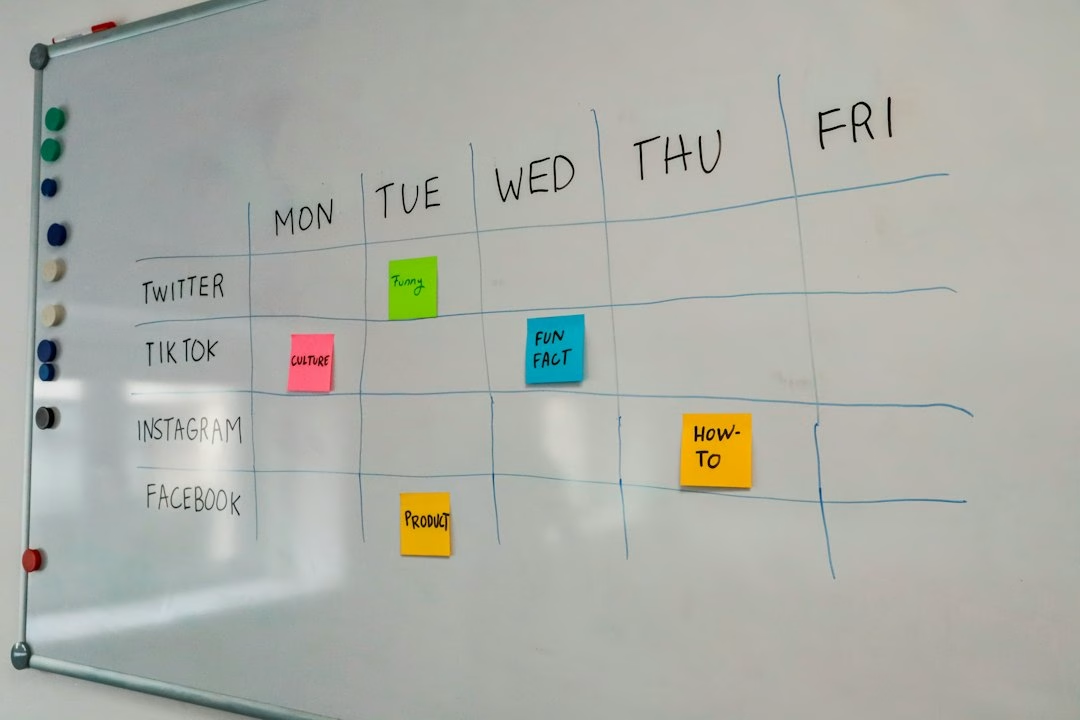
Mapping Out Your Monthly Email Schedule
Your monthly calendar should be a visual representation of all your planned email sends, allowing you to see the big picture and ensure a balanced approach.
Determining Optimal Send Frequency
There’s no magic number for email frequency; it depends heavily on your industry, audience, and the value you provide. Some businesses thrive on daily emails, while others find success with once or twice a month. The key is to be consistent and to provide value with every send. Too many emails without value lead to unsubscribes; too few means missed opportunities. Experiment and monitor your unsubscribe rates and engagement metrics to find your sweet spot. Consider a survey to ask your subscribers directly how often they’d like to hear from you.
Planning for Key Dates and Events
Look at your business calendar for the upcoming month. Are there any product launches, sales, webinars, holidays, seasonal promotions, or company announcements? Integrate these key dates into your email schedule. For example, if you have a holiday sale, plan a series of emails leading up to, during, and after the event. If you’re launching a new feature, schedule a teaser email, an announcement email, and a follow-up educational email.
Incorporating Different Campaign Types
Your monthly schedule shouldn’t be monotonous. Mix up your email types to keep things fresh and cater to different goals. This could include:
- Promotional Emails: Sales, discounts, new product announcements.
- Educational Emails: How-to guides, tips, industry insights, blog post summaries.
- Nurturing Emails: Content aimed at moving leads further down the sales funnel.
- Transactional Emails: Order confirmations, shipping updates (though these are often automated, they can still be optimized for brand consistency).
- Re-engagement Campaigns: For inactive subscribers.
- Community Building Emails: Asking for feedback, sharing user-generated content, inviting to social media groups.
Varying your content types ensures you cater to different interests and maintain subscriber engagement.
Utilizing a Content Calendar Tool
Whether it’s a simple spreadsheet, a shared Google Calendar, or a dedicated marketing project management tool (like Asana, Trello, or Monday.com), use a system to visually map out your emails. Include details like:
- Send Date and Time: Specify the exact timing.
- Audience Segment: Who is receiving this email?
- Email Type: (e.g., promotional, newsletter, educational).
- Goal: Which SMART goal does this email support?
- Subject Line (draft): Even a preliminary idea is helpful.
- Key Message/Content Summary: A brief overview of what the email will cover.
- Call to Action: What do you want people to do?
- Required Assets: Images, videos, landing page links.
- Status: (e.g., Draft, Review, Scheduled, Sent).
A detailed calendar ensures you stay organized, prevent overlaps, and maintain a consistent flow.
Designing Effective Email Workflows and Automation
Beyond individual sends, think about the interconnected journey your subscribers take. This is where email workflows and automation come into play, allowing you to deliver timely, relevant messages without manual intervention.
Welcome Sequences for New Subscribers
This is arguably the most critical automated workflow. When someone signs up for your list, don’t just send a single “welcome” email. Create a sequence of 3-5 emails spread over a few days or a week. This sequence should:
- Email 1 (Immediately): Thank them for subscribing, confirm their opt-in, and set expectations for future content. Offer an immediate value (e.g., a free guide, a discount code).
- Email 2 (1-2 days later): Introduce your brand story, mission, or core values. Showcase your unique selling proposition.
- Email 3 (2-3 days later): Highlight your most popular products/services or most valuable content. Guide them towards exploration.
- Email 4 (2-3 days later): Share social proof (testimonials, reviews) or address common pain points your offering solves.
- Email 5 (2-3 days later): Introduce your community or invite them to follow you on social media, integrating them further into your brand ecosystem.
This sequence builds rapport, educates new subscribers, and gently nudges them towards becoming customers.
Abandoned Cart Recovery Sequences
For e-commerce businesses, abandoned cart emails are incredibly effective. When a customer adds items to their cart but doesn’t complete the purchase, trigger a series of emails:
- Email 1 (1-2 hours later): A friendly reminder of the items in their cart.
- Email 2 (24 hours later): Reiterate the value proposition or address common concerns (e.g., free shipping, easy returns).
- Email 3 (48-72 hours later): Offer a small incentive (e.g., 10% off, free shipping) to encourage completion.
These emails often have very high conversion rates because they target individuals who have already shown strong purchase intent.
Post-Purchase Follow-Up and Nurturing
Your relationship with a customer doesn’t end after a purchase; it’s just beginning. Use automated sequences to:
- Order Confirmation/Shipping Updates: Essential transactional emails that can be branded and include relevant information.
- Product Usage Tips/Tutorials: Help customers get the most out of their purchase, reducing buyer’s remorse and increasing satisfaction.
- Request for Review/Feedback: Gather valuable social proof and identify areas for improvement.
- Related Product Recommendations: Suggest complementary items based on their purchase history.
- Loyalty Program Invitation: Encourage repeat business.
These sequences enhance the customer experience and foster long-term loyalty.
Re-engagement Campaigns for Inactive Subscribers
Identify subscribers who haven’t opened or clicked your emails in a certain timeframe (e.g., 90 days). Send a series of emails designed to win them back:
- Email 1: “We Miss You!” A friendly check-in, highlighting recent valuable content or offers.
- Email 2: “Is This Goodbye?” A more direct email asking if they still want to receive your emails, perhaps offering an exclusive discount.
- Email 3: “Last Chance to Stay Connected” Inform them that they will be removed from your list if they don’t engage, offering a clear link to update preferences or confirm interest.
Removing inactive subscribers improves your email deliverability and ensures your engagement metrics are more accurate.
By strategically planning your monthly email schedule and implementing robust automation workflows, you create a dynamic and responsive email marketing system that consistently delivers value and moves your subscribers efficiently through their journey with your brand.
Crafting Compelling Subject Lines and Preheaders
The success of your meticulously planned email campaigns often hinges on a tiny, yet incredibly powerful, element: your subject line. It’s the gatekeeper to your content, the first impression you make, and the deciding factor for whether your email gets opened or sent straight to the trash. Paired with the preheader text, these two elements are your primary tools for enticing subscribers to take that crucial first step.
The Art and Science of Irresistible Subject Lines
A great subject line is a blend of creativity, psychology, and strategic thinking. It needs to stand out in a crowded inbox and compel the reader to click.
Injecting Urgency and Scarcity
Fear of missing out (FOMO) is a powerful motivator. Subject lines that create a sense of urgency or scarcity can significantly boost open rates.
- “Last Chance: 50% Off Ends Tonight!”
- “Limited Stock Alert: Only 3 Left!”
- “Flash Sale: Don’t Miss Out!”
- “Your Exclusive Offer Expires in 24 Hours!”
Use these sparingly, as overusing them can lead to subscriber fatigue and distrust. Only employ them when genuinely applicable.
Personalization for Deeper Connection
Including a subscriber’s name or other relevant personal information in the subject line can dramatically increase open rates. It makes the email feel less like a mass broadcast and more like a direct communication.
- “Sarah, a Special Offer Just For You!”
- “Your Order Update, [Customer Name]”
- “Quick Question About Your Recent Activity, [Customer Name]”
- “A New Guide Tailored to [Industry/Interest]”
Go beyond just names; use information like their city, recent purchase, or expressed interest if you have it.
Piqueing Curiosity and Asking Questions
Humans are naturally curious. Subject lines that hint at interesting content without giving everything away can be very effective. Questions also invite engagement and thought.
- “You Won’t Believe What Happened Next…”
- “The Secret to [Desired Outcome] Revealed”
- “Did You Miss This Important Update?”
- “Is Your Business Making These Common Mistakes?”
- “What If We Told You [Intriguing Fact]?”
Be careful not to be overly vague, which can come across as clickbait. The content must deliver on the promise of the subject line.
Highlighting Value and Benefits
Clearly articulate what the reader will gain by opening your email. Focus on the benefits, not just the features.
- “Save 20% on Your Next Purchase”
- “Boost Your Productivity with These 5 Tips”
- “Learn How to Master [Skill] Today”
- “Unlock Exclusive Content Just for You”
- “Your Weekly Dose of [Helpful Information]”
This approach immediately answers the “What’s in it for me?” question for the subscriber.
Using Emojis Appropriately
Emojis can add visual appeal and help your subject line stand out, but use them judiciously.
- ✅ “New Arrivals Just Dropped! ✨”
- ✅ “Your Weekend Forecast: Deals! ☀️”
- ❌ “🚨🚨🚨 HUGE SALE!!! 🔥🔥🔥 DON’T MISS OUT!!! 💸💸💸”
Overuse or irrelevant emojis can appear unprofessional or spammy. Test different emojis to see what resonates with your audience.
A/B Testing Your Subject Lines
Never assume you know what will work best. A/B test different subject line variations for every major campaign. Test:
- Length (short vs. long)
- Emojis (with vs. without)
- Personalization (with vs. without)
- Value proposition (different benefits highlighted)
- Urgency (with vs. without)
- Question vs. Statement
Your email marketing platform should have built-in A/B testing capabilities. Analyze the results to continuously refine your subject line strategy.
Leveraging the Preheader Text for Maximum Impact
The preheader text (also known as the preview text) is the short snippet of text that appears directly after the subject line in most email clients. It’s often overlooked, but it’s a powerful secondary opportunity to entice opens.
Expanding on the Subject Line
Use the preheader to provide additional context or further elaborate on the subject line’s promise. It’s like a mini-hook that encourages the reader to delve deeper.
- Subject: “Your Exclusive Offer Inside!”
- Preheader: “Save big on your favorite products for a limited time. Don’t miss out!”
- Subject: “The Secret to Higher Conversions”
- Preheader: “We reveal the top 3 strategies our clients use to boost their sales funnel.”
Creating a Sense of Intrigue
If your subject line is curiosity-driven, the preheader can deepen that intrigue without fully revealing the answer.
- Subject: “You Won’t Believe This Statistic…”
- Preheader: “The numbers are in, and they’re reshaping how businesses approach [topic].”
Highlighting Key Benefits or CTAs
Sometimes, you can use the preheader to succinctly reiterate a key benefit or even include a mini-call to action.
- Subject: “New Product Launch!”
- Preheader: “Discover [Product Name]’s groundbreaking features. Shop now!”
Avoiding Repetition and Filler Text
Don’t just repeat your subject line in the preheader. This is a wasted opportunity. Also, avoid generic filler text like “View this email in your browser” (unless it’s dynamically generated to show if the email has issues). Ensure the preheader is compelling and contributes to the overall message. If you don’t specify preheader text, email clients will pull the first available text from your email, which could be your navigation menu or an image alt-text – often not ideal.
Keep it Concise and Mobile-Friendly
Preheader text length varies across email clients and devices. Aim for 40-100 characters to ensure it displays fully on most devices. Test how it looks in different email clients to optimize visibility.
By dedicating time and thought to both your subject lines and preheader text, you significantly increase the chances of your valuable content actually being seen. These small details can have an enormous impact on the overall success of your monthly email campaigns.
When planning your monthly email campaigns with clear goals, it’s essential to consider strategies that can enhance engagement and improve click-through rates. One effective approach is utilizing dynamic content, which can significantly personalize your messages. For more insights on this topic, you might find it beneficial to read about how to boost your engagement and click-through rates with spintags in this related article. Implementing such techniques can help you achieve your campaign objectives more effectively.
Analyzing, Optimizing, and Iterating for Continuous Improvement
| Step | Action | Metric to Track | Goal Example | Frequency |
|---|---|---|---|---|
| 1 | Define Campaign Objective | Objective Clarity Score (Internal) | Increase newsletter sign-ups by 15% | Monthly |
| 2 | Segment Email List | Segment Engagement Rate | Improve open rate by 10% in targeted segments | Monthly |
| 3 | Create Content Calendar | Content Completion Rate | Publish 4 emails aligned with campaign goals | Monthly |
| 4 | Set KPIs (Open Rate, CTR, Conversion) | Open Rate, Click-Through Rate, Conversion Rate | Achieve 25% open rate, 5% CTR, 3% conversion | Per Campaign |
| 5 | Schedule and Send Emails | Delivery Rate | Maintain 98%+ delivery rate | Monthly |
| 6 | Analyze Campaign Performance | Performance Report Metrics | Identify top-performing subject lines and CTAs | After Each Campaign |
| 7 | Adjust Strategy Based on Data | Improvement in KPIs | Increase CTR by 2% month-over-month | Monthly |
Your monthly email campaign strategy isn’t a “set it and forget it” endeavor. True success comes from a continuous cycle of analysis, optimization, and iteration. After each campaign, you must critically evaluate its performance against your SMART goals, identify what worked and what didn’t, and use those insights to refine your future efforts. This data-driven approach ensures your email marketing becomes more effective over time, constantly adapting to your audience and market.
Key Metrics to Track for Campaign Success
Before you dive into optimization, you need to understand which metrics truly matter for evaluating your campaign’s performance against your specific goals. While many metrics exist, focus on those that provide actionable insights.
Open Rate
The percentage of recipients who open your email. This metric primarily reflects the effectiveness of your subject line and preheader text, as well as your sender reputation. A low open rate suggests your initial hook isn’t compelling enough or your emails aren’t reaching the inbox effectively.
Click-Through Rate (CTR)
The percentage of recipients who clicked on at least one link within your email. CTR is a strong indicator of how engaging and relevant your email content is, and how effective your calls to action (CTAs) are. A high open rate with a low CTR indicates compelling subject lines but unengaging content or weak CTAs.
Conversion Rate
The percentage of recipients who completed a desired action after clicking a link in your email (e.g., made a purchase, filled out a form, downloaded an asset). This is often the most important metric for campaigns with direct revenue or lead generation goals. It directly measures the effectiveness of your entire funnel, from email to landing page.
Unsubscribe Rate
The percentage of recipients who opted out of your email list. While some unsubscribes are normal, a high unsubscribe rate can signal several issues: sending too frequently, irrelevant content, poor segmentation, or mismatched expectations from signup. Keep an eye on spikes after specific campaigns.
Bounce Rate
The percentage of emails that couldn’t be delivered to the recipient’s inbox. There are two types:
- Hard Bounces: Permanent delivery failures (e.g., invalid email address). These should be immediately removed from your list.
- Soft Bounces: Temporary delivery issues (e.g., full inbox, server down). Your email service provider (ESP) will usually retry these.
High bounce rates can harm your sender reputation and deliverability. Regularly clean your list to remove hard bounces.
Spam Complaint Rate
The percentage of recipients who marked your email as spam. Even a small number can significantly damage your sender reputation and lead to your emails being blocked by internet service providers (ISPs). Aim for this to be as close to 0% as possible. This often points to unconsented sends or highly irrelevant content.
Revenue Generated Per Email
For e-commerce or sales-driven campaigns, this metric directly measures the financial impact of your emails. It tells you how much revenue, on average, each email send contributes, helping you quantify your ROI.
List Growth Rate
The rate at which your email list is expanding. While not a direct campaign performance metric, it’s crucial for long-term email marketing health. A healthy list growth rate ensures you have a continuous stream of potential customers to nurture.
Conducting A/B Testing for Continuous Improvement
A/B testing (also known as split testing) is the cornerstone of email optimization. It involves testing two different versions of an email element to see which performs better. This data-driven approach removes guesswork and provides concrete insights for improvement.
Elements You Can A/B Test
Virtually any element of your email can be tested:
- Subject Lines: As discussed, this is critical. Test different lengths, tones, personalization, emojis, and urgency.
- Preheader Text: Test variations that expand on the subject or create more intrigue.
- Sender Name: Test variations like “Your Company Name” vs. “John from Company Name.”
- Call to Action (CTA): Test different wording (“Shop Now” vs. “Discover Products”), button colors, sizes, and placement.
- Email Content: Test different headlines, body copy lengths, tone of voice, visual elements (images vs. video thumbnails), and personalized content blocks.
- Email Layout/Template: Test different designs, column structures, and mobile responsiveness.
- Send Time/Day: While not an email element, you can test sending emails at different times or on different days of the week to see which yields the best engagement for your audience.
Best Practices for A/B Testing
- Test One Variable at a Time: To accurately determine what caused a change in performance, only change one element between your A and B versions. If you change the subject line and the CTA, you won’t know which change led to the better result.
- Ensure a Sufficient Sample Size: Your audience for the test needs to be large enough to yield statistically significant results. Most ESPs handle the statistical significance calculation for you, but generally, the larger the segment, the more reliable the results.
- Run Tests for an Adequate Duration: Don’t end a test too early. Give it enough time for your audience to open and interact with the emails.
- Define Your Goal Metric: Before starting a test, decide which metric will determine the “winner” (e.g., highest open rate, highest CTR, highest conversion rate).
- Implement the Winning Version: Once you have a clear winner, send that version to the remainder of your segment or implement it in future campaigns.
- Document Your Findings: Keep a record of all your A/B tests, their hypotheses, results, and conclusions. This builds a valuable knowledge base for future campaigns.
Learning from Performance and Adapting Your Strategy
After every campaign, and certainly at the end of each month, take the time to review your performance data comprehensively. This isn’t just about celebrating successes; it’s about dissecting failures and finding opportunities for growth.
Monthly Performance Reviews
Schedule a regular monthly meeting or dedicated time to analyze your email campaign performance. Look at trends over time, not just individual campaign results.
- Review against SMART Goals: Did you hit your monthly open rate target? Did you generate the expected number of leads? Be honest about your performance.
- Identify Top-Performing Campaigns: What made them successful? Was it the subject line, the content, the offer, or the segmentation?
- Analyze Underperforming Campaigns: Where did they fall short? Was the open rate low? Did people click but not convert? What can be learned?
- Spot Trends in Subscriber Behavior: Are certain segments becoming less engaged? Are new segments emerging? Is there a consistent time of day or day of the week that performs best?
- Feedback Loop: Incorporate feedback from sales teams, customer support, and direct subscriber responses. What questions are people asking? What challenges are they facing?
Actionable Insights and Iteration
The goal of analysis is not just to understand, but to act. Translate your findings into concrete changes for future campaigns.
- Refine Your Segmentation: If a particular segment showed low engagement, perhaps they need different content or more specific targeting.
- Adjust Content Strategy: If educational content consistently outperforms promotional, lean more heavily into value-driven emails. If certain topics resonate, create more content around them.
- Optimize Send Times: If your audience opens emails more frequently on Tuesdays at 10 AM, adjust your schedule accordingly.
- Improve CTAs and Landing Pages: If CTR is high but conversion is low, the issue might be with your landing page experience, not the email itself.
- Clean Your List: Regularly remove unengaged subscribers and hard bounces to maintain list hygiene and improve deliverability.
- Test New Ideas: Use insights from past campaigns to formulate new hypotheses for A/B testing. For example, “Our audience responds well to curiosity in subject lines, so let’s try a more intriguing approach next month.”
By embedding this iterative process into your monthly planning cycle, your email campaigns will continuously evolve, becoming more efficient, more targeted, and ultimately, more successful in achieving your clear goals. Embrace the data, and let it guide your path to email marketing excellence.
FAQs
What are the key components of a successful email campaign?
A successful email campaign typically includes a clear objective, a targeted audience, engaging content, a compelling subject line, and a strong call to action. Additionally, it should incorporate analytics to measure performance and optimize future campaigns.
How can I define clear goals for my email campaigns?
To define clear goals for your email campaigns, start by identifying what you want to achieve, such as increasing sales, boosting website traffic, or enhancing customer engagement. Use the SMART criteria—Specific, Measurable, Achievable, Relevant, and Time-bound—to ensure your goals are well-defined and actionable.
What tools can help in planning and executing email campaigns?
There are several tools available for planning and executing email campaigns, including email marketing platforms like Mailchimp, Constant Contact, and SendinBlue. These tools offer features such as list management, automation, analytics, and A/B testing to streamline the campaign process.
How often should I send out email campaigns?
The frequency of email campaigns can vary based on your audience and goals, but a common practice is to send emails at least once a month. It’s important to find a balance that keeps your audience engaged without overwhelming them, so consider testing different frequencies to see what works best.
What metrics should I track to measure the success of my email campaigns?
Key metrics to track for measuring the success of your email campaigns include open rates, click-through rates (CTR), conversion rates, bounce rates, and unsubscribe rates. Analyzing these metrics will help you understand your audience’s behavior and refine your strategies for future campaigns.