


Understanding the Core Challenge of Subscriber Management
You’re running a thriving business, whether it’s e-commerce, content creation, or a service provider, and email marketing is undoubtedly a cornerstone of your communication strategy. As your audience grows, so does the complexity of managing your subscriber base. Initially, it might seem straightforward: everyone goes into one big list. But soon, you realize that not all subscribers are interested in the same content. Some want product updates, others prefer industry news, and a segment is only interested in promotional offers. This is where subscriber groups come into play, allowing you to segment your audience and deliver more targeted, relevant content.
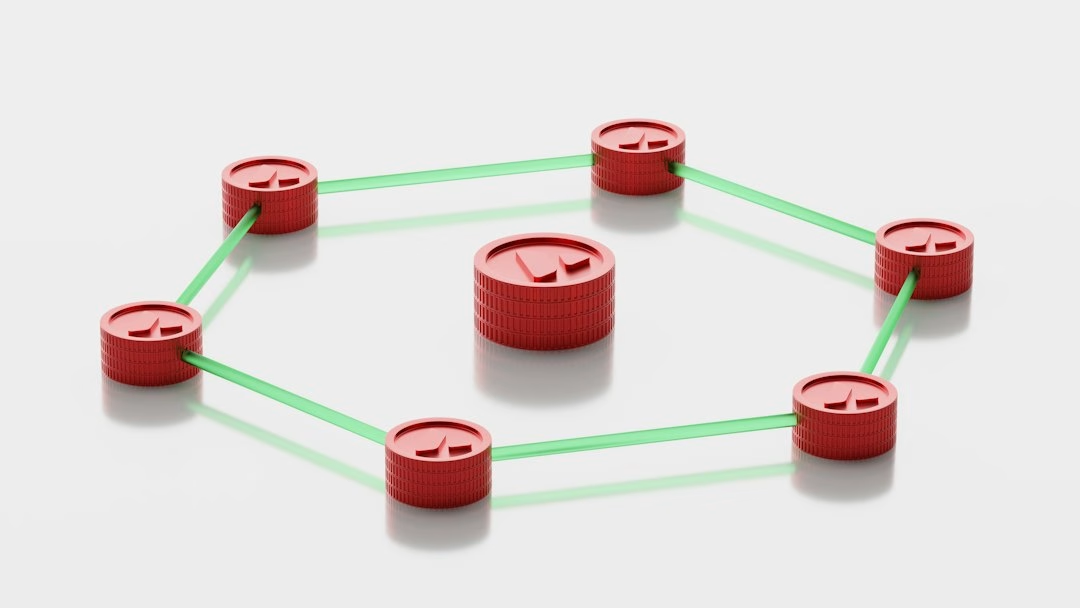
The real challenge emerges when a single subscriber fits into multiple categories. Perhaps they’re a new customer and interested in your advanced product line. Or maybe they’ve attended a webinar and subscribed to your weekly newsletter. The intuitive, but often problematic, approach is to simply add them to each relevant group or list. However, this quickly leads to contact duplication. Duplicated contacts aren’t just an organizational nightmare; they significantly inflate your email marketing costs, skew your analytics, and risk annoying your subscribers with redundant messages. Imagine receiving the same promotional email twice because you’re on two different “sales” lists. Your goal is to keep your data clean, your costs low, and your subscribers happy, all while maintaining the ability to segment effectively. This section will help you grasp the fundamental issues that arise when you don’t have a robust strategy for managing multi-group subscribers.
The Pitfalls of Duplicate Contacts
When you allow duplicate contacts to proliferate within your email marketing system, you’re setting yourself up for a multitude of problems that impact both your operational efficiency and your customer experience. Firstly, there’s the financial aspect. Most email service providers (ESPs) charge based on the number of unique contacts in your database. If you have the same person listed three times across different groups, you’re essentially paying for three contacts instead of one. Over time, as your subscriber base scales, these unnecessary costs can become substantial. Beyond the direct financial hit, duplicated contacts severely distort your analytics. Open rates, click-through rates, and conversion rates become unreliable. If a single person opens an email from two different lists, it might be counted as two unique opens, giving you a false sense of engagement. This skewed data can lead to poor decision-making regarding content strategy and campaign optimization.
Furthermore, and perhaps most critically from a customer relationship perspective, duplicate contacts lead to a poor subscriber experience. Receiving multiple identical emails from the same sender within a short period is irritating and unprofessional. It signals a lack of organization and attention to detail, which can erode trust and increase unsubscribe rates. Subscribers might even mark your emails as spam, negatively impacting your sender reputation and deliverability for all your communications. The user experience is paramount, and ensuring a single, coherent stream of communication for each individual is vital for fostering long-term engagement.
Defining Your Segmentation Strategy
Before you even think about the technical solutions for managing contacts, you need a crystal-clear understanding of why you’re segmenting your audience and how you want to categorize them. haphazardly creating groups without a strategic foundation will only complicate matters further down the line. Start by identifying the key attributes and behaviors that differentiate your subscribers. Are they customers or prospects? What products or services have they shown interest in? How often do they engage with your content? What stage are they at in your sales funnel?
Your segmentation strategy should be driven by your marketing objectives. Do you want to nurture leads, drive repeat purchases, announce new features, or simply share informational content? Each objective will likely require a different approach to grouping your subscribers. Consider creating groups based on demographics (location, age, industry), psychographics (interests, values), behavioral data (purchase history, website activity, email engagement), and lifecycle stage (new subscriber, active customer, lapsed customer). A well-defined segmentation strategy is the bedrock upon which efficient, non-duplicative contact management is built. It helps you design your tagging and custom field structure in a way that truly supports your communication goals without resorting to redundant lists.
Managing multiple subscriber groups effectively can be a complex task, especially when trying to avoid duplicating contacts. For insights on how to streamline your email marketing efforts and enhance your business growth, you might find the article on email automation particularly helpful. It discusses innovative strategies for managing subscriber lists and optimizing engagement. You can read more about it in this article: Revolutionizing Business Growth: Email Automation in 2025.
Leveraging Tags and Custom Fields for Granular Control
The most effective way to manage multiple subscriber groups without duplicating contacts is to move away from the traditional model of separate lists for each group and embrace a system centered around a single master list enhanced with tags and custom fields. This approach ensures that each subscriber exists as a unique record in your database, while still allowing for incredibly flexible and dynamic segmentation. Think of your master list as your complete roster of subscribers. Tags and custom fields are then the powerful labels and data points you attach to each individual record, describing their characteristics, interests, and behaviors.
This methodology eliminates the need to add the same person to multiple “lists” and instead allows you to apply multiple “tags” to a single contact. For example, instead of having a “New Customer List” and a “Product A Interest List,” you would have a single contact record with the tags “New Customer” and “Product A Interest.” When you want to send an email to new customers interested in Product A, you simply filter your master list for contacts possessing both of those tags. This approach drastically simplifies contact management, reduces database clutter, and provides unparalleled flexibility for targeting specific segments.
Implementing a Tagging System
Tags are short, descriptive labels you apply to your subscribers to categorize them based on various criteria. The beauty of tags is their versatility and the ability to apply multiple tags to a single contact. When designing your tagging system, aim for clarity, consistency, and comprehensiveness. Start by brainstorming all the different ways you might want to segment your audience.
Good tag examples include:
- Behavioral:
Purchased_ProductX,Attended_Webinar_Q3,Clicked_Promo_Link,Opened_Welcome_Series - Interest-Based:
Interested_in_ServiceA,Prefers_Newsletter_Monthly,Content_Marketing_Topic - Lifecycle Stage:
New_Subscriber,Prospect_Lead,Active_Customer,Lapsed_Customer - Source:
Signed_up_Website,Imported_Event,Referral_Program
It’s crucial to establish naming conventions for your tags from the outset. For instance, always use underscores instead of spaces, or capitalize the first letter of each word. Consistent naming prevents confusion and makes filtering much easier. Regularly review your tags to ensure they are still relevant and delete any that are no longer serving a purpose. Your ESP should provide robust tagging functionality, allowing you to add, remove, and manage tags easily, both manually and through automation rules. This system allows you to create highly specific audiences on the fly by combining multiple tags, such as “Active_Customer” AND “Purchased_ProductX” AND “Interested_in_ServiceA.”
Utilizing Custom Fields for Dynamic Data
While tags are excellent for categorical segmentation, custom fields are designed to store specific, unique pieces of information about each subscriber. Think of them as database columns for your contact records. Unlike tags, which are typically binary (a contact either has a tag or doesn’t), custom fields can hold various data types: text, numbers, dates, dropdown selections, or even checkboxes. This makes them invaluable for storing detailed subscriber attributes that go beyond simple categorization.
Examples of custom fields include:
- Demographic:
City,Industry,Company_Size,Job_Title - Preferences:
Preferred_Content_Type(e.g., ‘Video’, ‘Blog’, ‘Podcast’),Newsletter_Frequency(e.g., ‘Weekly’, ‘Monthly’),Product_Tier_Preference - Behavioral Data:
Last_Purchase_Date,Total_Spent,Subscription_Start_Date,Last_Webinar_Attended
When creating custom fields, consider whether the information you’re storing will be static or dynamic. For instance, Industry might be relatively static, while Last_Purchase_Date will update frequently. Ensure your ESP allows for easy updating of these fields, ideally through integrations with your CRM, e-commerce platform, or forms. Custom fields enable you to personalize emails extensively and build highly sophisticated segments. For example, you could target “Active_Customers” who have a Total_Spent value greater than $500 and whose Last_Purchase_Date was within the last 90 days, and whose Preferred_Content_Type is ‘Video’. This level of detail empowers hyper-targeted communication without duplicating a single contact.
Implementing Automation for Seamless Management
Manual management of tags and custom fields for a growing subscriber base is simply not sustainable. The real power of a tag-and-field-based system comes to life when integrated with robust marketing automation. Automation ensures that your subscriber data is always up-to-date, accurate, and reflects their latest interactions and interests, all without you having to lift a finger for every individual change. This not only saves you an immense amount of time but also reduces the likelihood of human error, guaranteeing that your segmentation remains precise and effective.
Automation rules can be set up to trigger specific actions based on subscriber behavior or data changes. For example, when a subscriber completes a purchase, automation can automatically apply a “Customer” tag, remove a “Prospect” tag, and update a “Last Purchase Date” custom field. When they click a link to a specific product category on your website, automation can apply an “Interested in Product X” tag. This dynamic updating keeps your contact records perpetually current, ensuring that your segmentation always reflects the most recent state of your relationship with each subscriber.
Automating Tag Assignment
Automating tag assignment is a cornerstone of efficient, non-duplicative contact management. Your ESP should offer features to automatically add or remove tags based on a variety of triggers. These triggers can include:
- Form Submissions: When someone fills out a specific form (e.g., “Webinar Registration Form”), automatically apply a
Attended_Webinar_XYZtag. - Email Engagement: If a subscriber opens a particular email or clicks a specific link, apply an
Engaged_with_Campaign_AorInterested_in_Topic_Btag. - Website Activity: Integrate with your website to apply tags based on page visits (e.g.,
Viewed_Pricing_Page), time spent on a page, or downloads (e.g.,Downloaded_eBook_C). - Purchase Behavior: Through integration with your e-commerce platform, apply
Purchased_ProductXorHigh_Value_Customertags after a transaction. - Time-Based Triggers: After a subscriber has been inactive for a certain period, you might apply an
Inactive_Segmenttag to initiate re-engagement campaigns.
It’s also crucial to automate tag removal. For instance, once a prospect becomes a customer, you might remove the Prospect tag. Or, after an introductory offer expires, you might remove a New_Customer_Offer tag. Well-thought-out tag automation ensures that your subscriber profiles evolve dynamically, keeping your segments accurate without manual intervention.
Updating Custom Fields Automatically
Just as tags can be automated, custom fields should also be dynamically updated based on subscriber actions and data from other platforms. This keeps your granular data accurate and useful for personalization and advanced segmentation.
Consider these scenarios for automating custom field updates:
- CRM Integration: When a sales representative updates a lead’s status in your CRM (e.g.,
Lead_Stagechanges from ‘MQL’ to ‘SQL’), have that information flow back to your ESP’s custom fields. - E-commerce Integration: After a purchase, automatically update
Last_Purchase_Date,Total_Spent, andNumber_of_Purchasescustom fields. - Survey Responses: If you send out a preferences survey, automatically populate custom fields like
Preferred_Content_TypeorProduct_Interestsbased on the subscriber’s answers. - Website Tracking: Track user behavior on your site and update fields like
Last_Page_VisitedorMost_Frequent_Category_Viewed. - Event Registrations: For webinars or live events, automatically populate a
Webinar_Attended_Datecustom field.
Automating custom field updates ensures that your subscriber data is always current, which is critical for delivering timely, highly personalized messages. For example, you could send a follow-up email tailored to products viewed by subscribers whose Last_Product_Category_Viewed custom field matches the products in your current promotion, only if their Last_Purchase_Date indicates they haven’t bought recently. This level of dynamic personalization is impossible with static, duplicated lists.
Segmenting and Targeting with Precision
Once you have a clean master list, enriched with thoughtfully designed tags and dynamically updated custom fields, the real power of this system comes into play: incredibly precise segmentation and targeting. You are no longer confined to broad, static lists. Instead, you can create hyper-specific audiences on demand, ensuring that every email you send is highly relevant to its recipient, thereby maximizing engagement, reducing unsubscribes, and ultimately driving better marketing results.
The beauty of using tags and custom fields is that you can combine them in endless permutations to define your target audience. You’re building dynamic segments rather than static lists. This means that as subscriber data changes (e.g., a new tag is applied, or a custom field is updated), they automatically enter or exit segments relevant to those changes, ensuring your communications are always timely and appropriate.
Building Dynamic Segments
Dynamic segments are sets of subscribers that meet specific criteria defined by a combination of tags and custom field values. Unlike static lists where you manually add or remove subscribers, dynamic segments automatically update as subscriber data changes. This means if a subscriber meets the criteria for a segment today, they are included; if their data changes tomorrow and they no longer meet the criteria, they are automatically excluded.
Here’s how you can build powerful dynamic segments:
- Combine Multiple Tags: Target subscribers who have both
Purchased_ProductXANDInterested_in_Upgrade_Plan. Or, perhapsNew_SubscriberANDEngaged_with_Welcome_Series. - Filter by Custom Field Values: Target subscribers whose
Industryis ‘Healthcare’ ANDJob_Titlecontains ‘Manager’. Or,Total_Spentis greater than $1000 ANDLast_Purchase_Dateis within the last 30 days. - Exclude Specific Tags/Fields: Send a promotion to all
Active_CustomersEXCEPT those with theDo_Not_Email_Promostag. Or, target allLead_ProspectswhoseLead_Scoreis above 70, but EXCLUDE those whoseCompany_Sizeis ‘Enterprise’ if your product isn’t suitable for them. - Behavioral Segmentation: Target subscribers who have
Opened_Email_Abut NOTClicked_Link_B, suggesting they might need a different call to action.
Your ESP’s segmentation interface should allow you to build these queries using ‘AND’ and ‘OR’ logic, and to combine various conditions. This flexibility is what allows you to move beyond basic mass mailings and craft truly personalized campaigns.
Personalizing Content at Scale
With your audience meticulously segmented using tags and custom fields, you unlock the ability to personalize your email content at an unprecedented scale. Personalization goes far beyond simply using a subscriber’s first name; it involves tailoring the entire message to their interests, behaviors, and preferences.
Here are ways to leverage your rich data for powerful personalization:
- Dynamic Content Blocks: Use conditional content blocks within a single email template. For example, if a subscriber has the
Interested_in_Product_Atag, show them a block promoting Product A. If they haveInterested_in_Product_B, show them a block for Product B. Or, ifLast_Purchase_Dateis more than 6 months ago, display a re-engagement offer. - Custom Field Merge Tags: Directly insert custom field data into your email copy. “Hi [First Name], here’s an update for your team in the [Industry] sector,” or “Based on your
Preferred_Content_Type, we think you’ll love this video on [Topic].” - Product Recommendations: Integrate with your e-commerce platform to pull in personalized product recommendations based on
Purchase_HistoryorViewed_Productscustom fields. - Event-Triggered Messages: Send an email about a new feature only to subscribers who have a
Product_Tiercustom field indicating they are on a relevant plan. Or, send a follow-up specific to theWebinar_Attended_Topiccustom field.
By using tags and custom fields, you can create a single email campaign that dynamically adapts its content for hundreds or thousands of different segments, giving each recipient the feeling that the email was crafted just for them. This level of personalized engagement is a significant driver of conversions and customer loyalty.
Managing multiple subscriber groups can be a complex task, especially when trying to avoid duplicating contacts. A helpful resource that delves deeper into effective strategies for organizing your email lists is found in this article on smart list management. By exploring the insights shared in this guide, you can learn how to streamline your email marketing efforts and enhance your overall communication strategy.
Regular Maintenance and Optimization
| Metric | Description | Best Practice | Impact |
|---|---|---|---|
| Unique Contact Count | Number of distinct subscribers across all groups | Use a centralized database to avoid duplicates | Reduces redundant messaging and improves targeting accuracy |
| Group Overlap Percentage | Percentage of contacts belonging to multiple groups | Segment based on behavior or preferences without duplicating contacts | Enhances personalized communication without inflating list size |
| Duplicate Contact Rate | Rate of contacts appearing in multiple groups | Implement deduplication tools and unique identifiers | Prevents sending multiple emails to the same contact |
| Engagement Rate per Group | Percentage of active subscribers interacting within each group | Analyze engagement to refine group segmentation | Improves campaign effectiveness and subscriber satisfaction |
| Subscription Management Efficiency | Time and resources spent managing subscriber groups | Automate group assignments and updates based on subscriber actions | Reduces manual errors and operational costs |
Even the most perfectly designed system for managing multiple subscriber groups without duplication requires ongoing attention. Your audience is dynamic, their interests evolve, and your marketing strategies shift. Therefore, regular maintenance, review, and optimization of your tags, custom fields, and automation rules are absolutely critical to ensure your system remains effective, accurate, and truly serves your business needs. Neglecting this step will inevitably lead to data decay, irrelevant segmentation, and a decline in the effectiveness of your email marketing efforts.
Think of it like tending a garden: you can’t just plant the seeds and walk away. You need to water, weed, and prune to ensure healthy growth. Similarly, your contact management system needs regular care to prevent clutter, ensure accuracy, and adapt to new insights. This continuous improvement mindset ensures your subscriber data remains a powerful asset, not a liability.
Auditing Tags and Custom Fields
Over time, you might accumulate redundant tags, incorrectly applied tags, or custom fields that are no longer being used. A regular audit helps you clean up your data and ensure everything is still serving a purpose.
For Tags:
- Review Usage: Identify tags that are rarely used or haven’t been applied to any subscribers in a long time. Consider deleting them if they’re obsolete.
- Check for Redundancy: Are there multiple tags that essentially mean the same thing (e.g.,
ClientandCustomer)? Consolidate them. - Consistency Check: Ensure your naming conventions are being followed across the board. Correct any misspellings or inconsistent formats.
- Identify Gaps: Are there new segments you’re trying to target that aren’t adequately covered by existing tags? Create new, relevant tags.
- Permissions: For larger teams, ensure only authorized personnel can create new tags to prevent proliferation of ad-hoc, unapproved tags.
For Custom Fields:
- Data Integrity: Periodically review a sample of contacts to ensure custom field data is populated correctly and consistently. Address any fields that frequently show missing or incorrect information.
- Relevance: Are all your custom fields still relevant to your current marketing and sales processes? If not, archive or delete unused fields.
- Data Type Accuracy: Ensure the custom field types (text, number, date, dropdown) are appropriate for the data they hold to avoid data entry errors.
- Automation Check: Verify that the automation rules designed to update custom fields are working as intended.
A comprehensive audit, perhaps quarterly or semi-annually, will keep your data clean and your segmentation sharp.
Refining Automation Workflows
Automation workflows are the engine of your non-duplicative contact management system. Just like your tags and custom fields, these workflows need to be reviewed and refined periodically. What made sense six months ago might not be optimal today due to changes in your product, marketing strategy, or customer behavior.
Key areas to review for automation workflows:
- Trigger Effectiveness: Are your automation triggers still the most effective way to assign tags or update custom fields? For example, if a specific link click is no longer a strong indicator of interest in a product, adjust the trigger.
- Action Accuracy: Are the actions (adding/removing tags, updating fields, sending emails) precisely what you intend? Are there any unintended consequences?
- Flow Logic: Test your workflows end-to-end to ensure they are executing as expected. Pay close attention to decision branches (IF/THEN statements) and time delays.
- Unsubscribe/Opt-Out Management: Ensure your workflows properly handle unsubscribes or opt-outs, removing relevant tags or updating custom fields to reflect the subscriber’s preference.
- Efficiency: Look for opportunities to simplify complex workflows or combine related automations to reduce system overhead.
- New Campaigns/Products: As you launch new products or marketing campaigns, build new automation workflows to support their segmentation needs from the outset, rather than trying to retrofit later.
Regularly testing and optimizing your automation workflows ensures that your contact data is consistently updated and accurately segmented, which is crucial for delivering highly relevant and effective email communications. This continuous improvement cycle is what separates good email marketing from truly exceptional, personalized engagement.
FAQs
What are subscriber groups in email marketing?
Subscriber groups in email marketing refer to segments of your audience that share common characteristics or interests. These groups allow marketers to tailor their messaging and campaigns to specific audiences, improving engagement and conversion rates.
Why is it important to manage multiple subscriber groups?
Managing multiple subscriber groups is crucial for delivering relevant content to your audience. It helps prevent sending irrelevant messages, reduces unsubscribe rates, and enhances overall customer satisfaction by ensuring that subscribers receive information that aligns with their interests.
How can I avoid duplicating contacts across different subscriber groups?
To avoid duplicating contacts, use a centralized database that tracks subscriber information and preferences. Implement unique identifiers for each contact and utilize tagging or categorization systems to manage group memberships without creating duplicate entries.
What tools can help manage multiple subscriber groups effectively?
Several email marketing platforms, such as Mailchimp, Constant Contact, and HubSpot, offer features for managing multiple subscriber groups. These tools typically include segmentation capabilities, automation workflows, and analytics to help track engagement across different groups.
What are the best practices for maintaining subscriber group integrity?
Best practices for maintaining subscriber group integrity include regularly cleaning your email list to remove inactive subscribers, updating contact information, and allowing subscribers to easily update their preferences. Additionally, ensure compliance with data protection regulations to maintain trust and transparency with your audience.