



You stand at the precipice of 2026, a landscape where data streams flow like mighty rivers, and the ability to navigate them effectively is not merely an advantage, but a necessity for survival and growth. To report in this dynamic environment requires more than just collecting numbers; it demands acumen, precision, and a deep understanding of what truly drives impact. This is about equipping yourself with the radar that cuts through the static, the compass that points to the North Star of your objectives, and the magnifying glass that reveals the subtle, yet crucial, details. As you prepare to chart your course through the coming year, understanding the essential reporting metrics will be your most valuable toolkit, turning raw data into actionable intelligence.
Before you even begin to consider specific metrics, you must first cast your gaze upon your audience. Who are you reporting to? What are their primary concerns? What decisions are they aiming to make based on your findings? Without this fundamental understanding, your metrics risk becoming hollow pronouncements, echoes in an empty chamber. Think of your audience as the soil in which your data insights will be planted. If you don’t understand the needs of the soil – its composition, its moisture levels, its nutrient profile – your prized seeds will wither before they can even sprout.
Identifying Key Stakeholder Groups
Your reporting efforts will likely serve multiple stakeholders, each with their unique vantage point. Are you reporting to executive leadership, who are concerned with high-level strategic outcomes and return on investment? Or perhaps you are addressing departmental managers, who need granular data to optimize operational efficiency? The finance team will scrutinize cost-effectiveness and budget adherence, while marketing and sales will focus on customer acquisition, retention, and revenue generation.
Executive Leadership: The Strategic Navigators
Executives are the captains of your organization’s ship. They require a distilled, bird’s-eye view of performance. Metrics here should focus on progress towards overarching strategic goals, profitability, market position, and long-term sustainability. They need to understand if the ship is on course, if it’s weathering the storms, and if it’s making headway towards its intended destination.
Operational Managers: The Deckhands and Crew Chiefs
For managers on the ground, the metrics need to be more tactical. These individuals are responsible for the day-to-day execution of strategies. They need insights into process efficiency, resource utilization, team performance, and immediate areas for improvement. Their metrics are the detailed logs of the ship’s movements, the engine room readouts, and the manifest of goods being transported.
Financial Stakeholders: The Quartermasters and Auditors
The finance department acts as the guardian of the organization’s resources. Their reporting needs revolve around financial health, cost control, revenue streams, and compliance. Metrics that demonstrate fiscal responsibility, profitability, and the efficient allocation of capital are paramount. They are the ones counting the coins, ensuring the provisions are accounted for, and that every expenditure is justified.
Tailoring Metrics to Decision-Making Needs
Once you’ve identified your audience segments, you must then consider the specific decisions they are empowered to make. Your metrics should directly inform these decisions, acting as the clear signposts guiding their choices. If a manager can decide to allocate more budget to a particular campaign, your metrics should show them the likely return on that investment. If executives can decide to pivot the company’s strategic direction, your metrics must provide the evidence to justify such a significant shift.
Performance Against Objectives (PAO): The Scorecard of Progress
This suite of metrics directly addresses whether you are hitting your targets. These are not abstract numbers; they are the tangible results that demonstrate progress towards agreed-upon goals. Are you meeting your sales quotas? Is your customer satisfaction score improving? Are you completing projects on time and within budget? This is the most direct measure of your effectiveness.
Impact on Key Business Outcomes: The Ripple Effect in the Pond
Beyond mere performance, you need to measure the impact of your activities on the broader business landscape. Did your marketing campaign not only generate leads, but also significantly increase customer lifetime value? Did your operational improvements lead to a measurable reduction in product defects, thereby enhancing brand reputation and reducing warranty claims? This involves understanding the downstream effects, the ripples that spread outward from your initial actions.
In the ever-evolving landscape of digital marketing, understanding advanced reporting metrics is crucial for success in 2026. For those looking to enhance their email marketing strategies, a related article titled “Discover Your Email Variant: Send Automatically” provides valuable insights into optimizing email campaigns through automation and data analysis. You can read more about it here: Discover Your Email Variant: Send Automatically. This resource complements the discussion on metrics that truly matter, helping marketers make informed decisions based on actionable data.
Core Operational Efficiency Metrics: The Engine Room Diagnostics
Efficiency is the bedrock of sustainable operations. In 2026, organizations will continue to face pressure to do more with less, to optimize workflows, and to eliminate waste. The metrics in this category are your engine room diagnostics, telling you how smoothly and effectively your machinery is running. Ignoring these is akin to driving a car without checking the oil; eventually, something will break down.
Process Throughput and Cycle Time: The Flow of Value
These metrics measure how quickly and continuously your processes are delivering value to your customers.
- Throughput: This quantifies the rate at which units of work are completed within a given period. For example, the number of customer support tickets resolved per hour, or the number of products manufactured per shift.
- Cycle Time: This measures the total time it takes to complete a process from start to finish. This could be the time from initial customer order to delivery, or the time from an idea being conceived to a product being launched. Reducing cycle time often leads to increased customer satisfaction and faster market response.
Resource Utilization and Allocation: Making Every Drop Count
Understanding how your resources – be they human capital, machinery, or financial assets – are being employed is critical for cost control and productivity.
- Labor Utilization Rate: This measures the percentage of available working time that employees spend on productive tasks. It helps identify bottlenecks, overstaffing, or the need for better task management.
- Machine Uptime/Downtime: For manufacturing and operations-intensive businesses, tracking the operational availability of machinery is crucial. High uptime indicates efficient maintenance and operational readiness, while frequent downtime signals potential problems.
- Budget vs. Actual Spend: A foundational financial metric ensuring that resources are allocated and consumed as planned. Deviations can highlight areas of overspending or underspending, prompting investigation.
Error Rates and Defect Density: The Precision of Your Craft
In an increasingly quality-conscious world, minimizing errors and defects is paramount. These metrics speak to the precision and reliability of your operations.
- First Contact Resolution (FCR) Rate: Primarily for customer service, this measures the percentage of customer issues resolved on the first interaction. A high FCR indicates efficient problem-solving and customer satisfaction.
- Defect Density: This metric measures the number of defects found per unit of output (e.g., per thousand lines of code, per thousand units produced). Lower defect density signifies higher quality.
- Rework Rate: The proportion of work that needs to be redone due to errors. A high rework rate is a direct indicator of inefficiency and wasted effort.
Customer-Centric Metrics: The Heartbeat of Your Business

In 2026, the customer remains king, queen, and indeed the entire royal court. Your ability to attract, retain, and delight customers will be the ultimate determinant of your success. These metrics are the vital signs of your customer relationships, indicating their health and the effectiveness of your efforts to nurture them.
Customer Acquisition Cost (CAC) and Lifetime Value (CLTV): The Profitability Equation
Understanding the economics of customer acquisition and retention is vital for sustainable growth.
- Customer Acquisition Cost (CAC): This metric calculates the total cost incurred to acquire a new customer. It encompasses marketing, sales, and any other expenses directly related to bringing a new customer onboard.
- Customer Lifetime Value (CLTV): This estimates the total revenue a business can reasonably expect from a single customer account throughout their relationship. A healthy business model typically sees a CLTV significantly higher than CAC. You want the inflow from your loyal customers to far outweigh the upfront cost of bringing them into your fold.
Customer Satisfaction (CSAT) and Net Promoter Score (NPS): Gauging Delight and Loyalty
These widely adopted metrics provide insights into how your customers perceive your brand and their likelihood of recommending you.
- Customer Satisfaction (CSAT): Typically measured through surveys, CSAT directly asks customers about their satisfaction with a specific interaction, product, or service.
- Net Promoter Score (NPS): This metric gauges overall customer loyalty by asking customers how likely they are to recommend your company to others on a scale of 0-10. It categorizes respondents into promoters, passives, and detractors, providing a clear barometer of advocacy.
Churn Rate and Retention Rate: The Stability of Your Base
The ability to hold onto your existing customers is often more cost-effective than acquiring new ones.
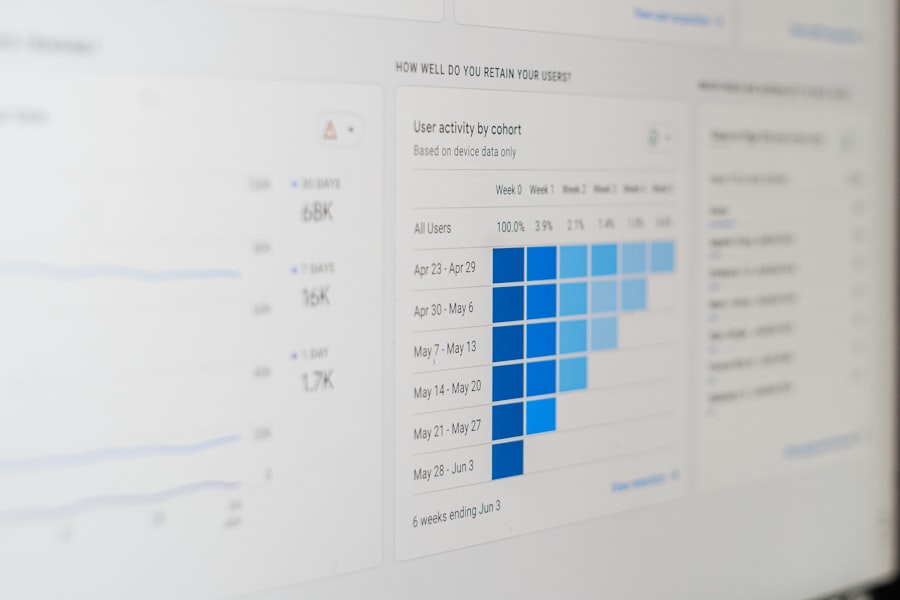
- Customer Churn Rate: This represents the percentage of customers who stop doing business with you over a specific period. High churn is a warning signal, indicating underlying issues with your product, service, or customer engagement.
- Customer Retention Rate: The inverse of churn, this metric measures the percentage of customers you manage to keep over a given period. A strong retention rate is a testament to customer loyalty and successful relationship management.
Financial Performance Metrics: The Bottom Line Testament
Ultimately, business must be financially viable. These metrics are the bedrock of financial health, providing insight into profitability, solvency, and efficient capital management. Without a robust understanding of your financial performance, your growth is built on shifting sands.
Profitability Ratios: Measuring the Fruits of Your Labor
These ratios paint a clear picture of your company’s ability to generate earnings from its operations.
- Gross Profit Margin: This measures the profitability of an organization after deducting the cost of goods sold. It indicates how efficiently a company is managing its production costs.
- Operating Profit Margin: This ratio calculates profit after deducting operating expenses, providing a view of profitability from core business operations before interest and taxes.
- Net Profit Margin: The bottom line. This indicates how much profit is generated from each dollar of revenue after all expenses, including taxes and interest, have been deducted.
Liquidity Ratios: The Cash Flow Compass
Liquidity metrics assess a company’s ability to meet its short-term obligations.
- Current Ratio: This compares a company’s current assets to its current liabilities. A ratio above 1 generally indicates that the company has enough current assets to cover its short-term debts.
- Quick Ratio (Acid-Test Ratio): Similar to the current ratio but excludes less liquid assets like inventory. This provides a more stringent measure of a company’s ability to meet immediate obligations.
Revenue Growth and Market Share: The Expansion of Your Influence
These metrics track your company’s trajectory in terms of sales and its standing within the broader market.
- Year-over-Year (YoY) Revenue Growth: This measures the percentage increase in revenue from one year to the next, indicating the pace of your sales expansion.
- Market Share: This represents your company’s proportion of total sales within a specific industry or market segment. Increasing market share suggests successful competitive strategy and customer acquisition.
In the ever-evolving landscape of digital marketing, understanding the nuances of advanced reporting metrics is crucial for success in 2026. As marketers strive to optimize their strategies, it is essential to consider how various factors, such as email template design, can impact overall performance. For a deeper dive into this topic, you might find the insights in the article about email templates and their effect on deliverability particularly enlightening. You can read it here. This connection between design and metrics highlights the importance of a holistic approach to marketing analytics.
Strategic Impact and Innovation Metrics: Charting the Future
| Metrics | Description |
|---|---|
| Customer Acquisition Cost (CAC) | The cost of acquiring a new customer, including marketing and sales expenses. |
| Customer Lifetime Value (CLV) | The predicted net profit attributed to the entire future relationship with a customer. |
| Churn Rate | The percentage of customers who stop using a product or service within a given time period. |
| Net Promoter Score (NPS) | A measure of customer loyalty and satisfaction based on the likelihood of customers to recommend a company to others. |
| Conversion Rate | The percentage of visitors who take a desired action, such as making a purchase or signing up for a newsletter. |
While operational and financial metrics are crucial for day-to-day management, it’s the metrics related to strategic impact and innovation that will propel your organization forward in the long term. These are the indicators that tell you if you are not just surviving, but thriving and evolving. They are the telescopes you use to scan the horizon for new opportunities and potential threats.
Return on Investment (ROI) for Strategic Initiatives: The Wisdom of Your Bets
Measuring the financial returns of major strategic projects is essential for justifying future investments.
- ROI for New Product Development: This tracks the profitability generated by new products relative to the investment made in their research, development, and launch.
- ROI for Market Expansion: This assesses the financial gains derived from entering new geographical markets or customer segments.
Innovation Pipeline and Output: The Seeds of Tomorrow
Understanding the flow and success of your innovation efforts is critical for long-term competitiveness.
- Number of New Products/Services Launched: A basic measure of innovation output, indicating the rate at which new offerings are brought to market.
- Success Rate of New Product Launches: This measures the percentage of new products that achieve predefined success metrics (e.g., revenue targets, market adoption rates).
- Patent Filings/Intellectual Property Generation: For R&D-intensive organizations, this reflects the creation of novel technologies and protects future market position.
Adaptability and Agility Metrics: The Flexibility of Your Framework
In a fast-changing world, the ability to adapt is paramount. These metrics assess your organization’s capacity to respond to new challenges and opportunities.
- Time to Market for New Releases/Updates: How quickly can you adapt your products or services in response to market shifts or competitive pressures?
- Employee Skill Development and Cross-Training Metrics: Do your employees possess the diverse skillsets needed to pivot to new roles or technologies as required?
By diligently understanding and reporting on these essential metrics, you will transform yourself from a passive observer of data into an active architect of your organization’s future. You will move beyond simply reporting numbers and start delivering insights that drive meaningful change, ensuring that in 2026, your organization doesn’t just navigate the currents, but steers them.
FAQs
What are advanced reporting metrics?
Advanced reporting metrics are a set of key performance indicators (KPIs) that provide in-depth insights into various aspects of a business’s performance. These metrics go beyond basic measurements and offer a more comprehensive understanding of the organization’s operations.
Why do advanced reporting metrics matter in 2026?
In 2026, advanced reporting metrics are crucial for businesses to stay competitive and make informed decisions. With the increasing complexity of markets and the availability of big data, advanced reporting metrics help organizations gain a deeper understanding of their performance and make strategic adjustments accordingly.
What are some examples of advanced reporting metrics that matter in 2026?
Examples of advanced reporting metrics that matter in 2026 include customer lifetime value (CLV), customer acquisition cost (CAC), churn rate, net promoter score (NPS), and marketing attribution. These metrics provide valuable insights into customer behavior, marketing effectiveness, and overall business performance.
How can businesses leverage advanced reporting metrics effectively?
Businesses can leverage advanced reporting metrics effectively by integrating data from various sources, using advanced analytics tools, and establishing clear KPIs aligned with their strategic objectives. It’s also important to regularly analyze and interpret the metrics to derive actionable insights.
What are the benefits of using advanced reporting metrics?
The benefits of using advanced reporting metrics include improved decision-making, better resource allocation, enhanced understanding of customer behavior, identification of growth opportunities, and the ability to track the impact of strategic initiatives. Overall, advanced reporting metrics help businesses drive sustainable growth and profitability.