



Imagine you’re trying to nurture every lead, engage every customer, and follow up on every abandoned cart – all manually. The sheer volume of tasks would be overwhelming, and your growth would inevitably stagnate. But what if you could automate much of that heavy lifting, allowing you to focus on strategy and innovation? That’s the power of email automation, and it’s a game-changer for your business.
You might be thinking, “Email automation? Is it really that impactful?” The answer is a resounding yes. It’s not just about sending emails; it’s about sending the right emails to the right people at the right time.
Boosting Efficiency and Saving Time
Consider the hours you currently spend crafting individual follow-up emails, segmenting lists by hand, or remembering to send birthday wishes. Email automation takes these tasks off your plate, freeing you up for more strategic endeavors.
- Automated Welcome Sequences: When a new subscriber joins your list, you want to make a great first impression. An automated welcome series can introduce your brand, highlight your value proposition, and guide them through their initial journey, all without you lifting a finger.
- Scheduled Campaigns: Planning seasonal promotions or product launches becomes effortless. You can pre-schedule entire email campaigns to deploy at optimal times, ensuring consistent communication.
- Reduced Manual Effort: Think about common trigger events like abandoned carts or product purchases. Automation handles the follow-up, ensuring no opportunity is missed due to human oversight or time constraints.
Enhancing Personalization and Customer Experience
In today’s competitive landscape, generic emails simply don’t cut it. Customers expect personalized interactions, and email automation provides the tools to deliver just that.
- Behavior-Triggered Emails: Imagine a customer browsing a specific product category on your website. When they leave without purchasing, an automated email can be sent, showcasing similar products or offering a discount on the viewed items. This level of responsiveness makes your brand feel intuitive and customer-focused.
- Dynamic Content: Your emails can adapt based on subscriber data. If you know a customer’s location, you can include localized promotions. If you know their past purchases, you can recommend complementary products. This creates a highly relevant experience for each individual.
- Segmentation for Targeted Messaging: You can divide your audience into smaller groups based on demographics, purchase history, engagement level, and more. This allows you to tailor your message to resonate specifically with each segment, leading to higher open rates, click-through rates, and ultimately, conversions.
Driving Revenue and Improving ROI
Ultimately, your goal is to grow your business, and email automation directly contributes to that objective by optimizing your sales funnels and maximizing the value of each customer.
- Increased Conversions: Personalized and timely emails are significantly more effective at driving action. Whether it’s completing a purchase, signing up for a webinar, or downloading an ebook, automation guides customers towards your desired outcomes.
- Customer Lifetime Value (CLV): By nurturing relationships through ongoing, relevant communication, you can encourage repeat purchases and foster loyalty. Automated re-engagement campaigns can bring back dormant customers, increasing their CLV.
- Upselling and Cross-selling Opportunities: Once a customer has made a purchase, automation can identify opportunities to suggest complementary products or upgrades, boosting your average order value.
For those interested in enhancing their growth marketing strategies through email automation, a related article that delves into optimizing conversions is available. This insightful piece discusses how to effectively combine purchase history and engagement data to drive better results in your marketing campaigns. You can read more about these techniques in the article titled “Maximizing Conversions: Combining Purchase History and Engagement Data” at this link.
Crafting Your Winning Automation Strategy
Now that you understand the “why,” let’s delve into the “how.” Building an effective email automation strategy requires careful planning and a clear understanding of your customer journey.
Defining Your Goals and Audience
Before you even think about building flows, you need to establish what you want to achieve and who you’re trying to reach.
- Specific, Measurable, Achievable, Relevant, Time-bound (SMART) Goals: Do you want to increase sign-ups by 20% in the next quarter? Boost abandoned cart recovery by 15%? Clearly defined goals will guide your efforts and allow you to measure success.
- Buyer Personas: Develop detailed profiles of your ideal customers. What are their pain points? What are their aspirations? What motivates them to purchase? Understanding your audience is crucial for crafting messages that resonate.
- Customer Journey Mapping: Visualize the entire path your customers take, from initial awareness to post-purchase advocacy. Identify touchpoints where email automation can enhance their experience and drive them forward.
In the ever-evolving landscape of digital marketing, mastering growth marketing techniques through email automation is essential for businesses looking to enhance their engagement and conversion rates. A valuable resource that complements this topic is an insightful article on proving email ROI with data-driven split testing. By exploring the strategies outlined in this piece, marketers can better understand how to optimize their email campaigns for maximum effectiveness. For more details, check out the article here.
Selecting the Right Automation Platform
The market is flooded with email marketing platforms, each with its own strengths and weaknesses. Choosing the right one is critical for seamless implementation.
- Consider Your Budget: Platforms range from free basic options to enterprise-level solutions. Define what you can afford while still getting the features you need.
- Evaluate Features and Scalability: Do you need advanced segmentation, CRM integrations, A/B testing capabilities, or robust reporting? Ensure the platform can grow with your business needs.
- Ease of Use and Support: A user-friendly interface and readily available customer support can save you significant headaches, especially when you’re just starting out. Look for platforms with intuitive drag-and-drop builders and extensive knowledge bases.
- Integration Capabilities: Does the platform integrate with your existing CRM, e-commerce platform, or other essential business tools? Seamless integration is crucial for a unified data flow and efficient operations.
Segmenting Your Audience for Precision Targeting
This is where the magic of personalization truly begins. Generic blasts are a thing of the past; precision targeting is the future.
- Demographic Segmentation: Age, gender, location, income – these basic details can inform significant differences in messaging.
- Behavioral Segmentation: This is highly powerful. Segment based on website visits, email opens/clicks, purchase history, abandoned carts, content downloads, and more.
- Psychographic Segmentation: Interests, values, lifestyle choices can help you understand the deeper motivations of your audience.
- Engagement Level Segmentation: Separate active subscribers from those who haven’t engaged in a while. This allows you to re-engage dormant users without annoying your most loyal customers.
Implementing Key Automation Workflows
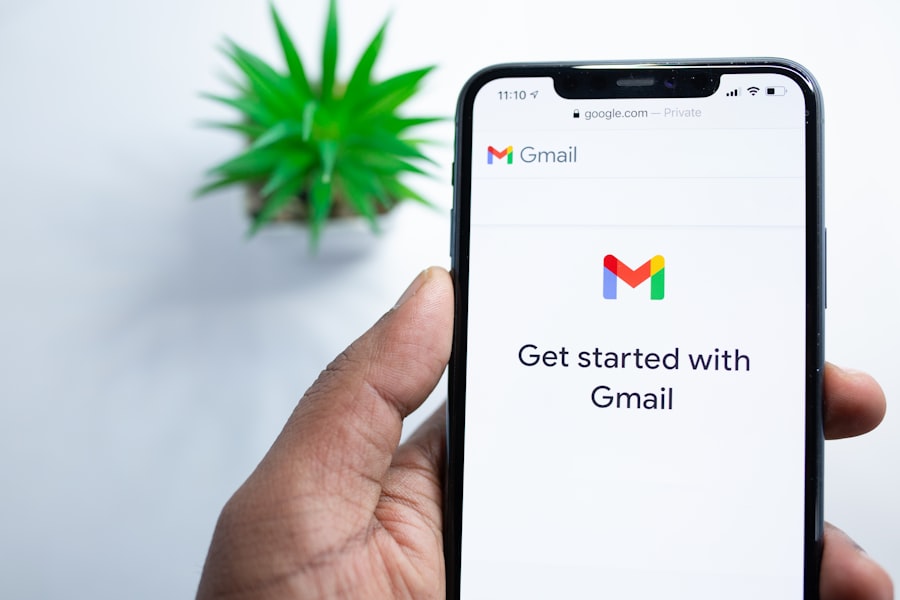
With your strategy in place and your platform chosen, it’s time to build out the workflows that will drive your growth.
Welcome Series: Making a Great First Impression
The moment someone signs up for your email list is a golden opportunity. Don’t waste it with a single, bland confirmation email.
- Immediate Confirmation and Thank You: This should be sent within seconds of sign-up. Confirm their subscription and express gratitude.
- Introduction to Your Brand/Value Proposition: Over a series of 2-3 emails, introduce what you do, what makes you unique, and how you can solve their problems.
- High-Value Content or Offer: Provide something valuable, like a free guide, a discount code, or access to exclusive content. This builds goodwill and encourages further engagement.
- Call to Action (CTA): Clearly guide your new subscribers to take the next desired step, whether it’s browsing your products, reading a blog post, or following you on social media.
Abandoned Cart Recovery Sequences: Reclaiming Lost Sales
One of the most effective automation flows, abandoned cart emails are a direct path to revenue recovery.
- First Reminder (1-2 hours): A gentle nudge, reminding them they left items in their cart. “Did you forget something?” or “Your cart is waiting!” are good starting points.
- Second Reminder (24-48 hours): This email can be more persuasive. Highlight benefits of the products, address common objections, or showcase customer reviews.
- Incentive Offer (48-72 hours): As a last resort, offer a small discount or free shipping to push them over the edge. Use scarcity (e.g., “discount expires within 24 hours”) to create urgency.
Post-Purchase Follow-Ups: Nurturing Loyalty and Driving Repeat Business
The customer journey doesn’t end at the sale. In fact, it’s just beginning! Post-purchase automation can significantly impact customer loyalty and lifetime value.
- Order Confirmation and Shipping Updates: Essential for customer satisfaction. Provide tracking information and estimated delivery dates.
- Product Usage Tips or Tutorials: Help customers get the most out of their new purchase, reducing buyer’s remorse and increasing satisfaction.
- Request for Review or Feedback: After a reasonable period (allowing for product usage), ask for a review. Positive reviews are invaluable social proof.
- Cross-sell/Upsell Recommendations: Based on their purchase, suggest complementary products or upgrades. Use an appropriate timing to avoid overwhelming the customer.
- Loyalty Program Invitation: If you have one, invite new customers to join and start earning rewards, incentivizing future purchases.
Re-engagement Campaigns: Bringing Back Dormant Subscribers
Not all subscribers remain active. Re-engagement campaigns are designed to rekindle interest and prevent list decay.
- Identify Inactive Subscribers: Define what “inactive” means for your business (e.g., no opens/clicks in 90 days).
- Win-Back Offers: Send emails with appealing offers, exclusive content, or surveys to understand why they’ve disengaged.
- Preference Center Update: Allow them to update their communication preferences, giving them control and reducing unsubscribe rates.
- Last Chance Email: If re-engagement attempts fail, send a “last chance” email before removing them from your active list. This helps maintain a healthy, engaged list.
Measuring Success and Optimizing for Continuous Growth

Setting up automation is just the first step. To maximize your growth, you need to continuously monitor, analyze, and refine your strategies.
Key Performance Indicators (KPIs) to Track
Don’t just send emails; track their impact. Focus on metrics that directly correlate with your business goals.
- Open Rate: The percentage of recipients who open your email. Indicates subject line effectiveness and list health.
- Click-Through Rate (CTR): The percentage of recipients who click on a link within your email. Reflects content relevance and CTA clarity.
- Conversion Rate: The percentage of recipients who complete your desired action (e.g., purchase, sign-up) after clicking. The ultimate measure of campaign effectiveness.
- Unsubscribe Rate: The percentage of recipients who opt out of your emails. A high rate indicates content irrelevance or frequency issues.
- Email ROI: The revenue generated from your email campaigns divided by the cost of running them. Essential for understanding the financial impact.
- Customer Lifetime Value (CLV): How much revenue a customer generates over their entire relationship with your business. Automation often has a significant long-term impact on CLV.
A/B Testing for Ongoing Improvement
Never assume you know what works best. A/B testing allows you to test different elements and continuously optimize your campaigns.
- Subject Lines: Test different lengths, emojis, personalization, and calls to action to see what drives higher open rates.
- Email Content: Experiment with different copy, images, video embeds, and value propositions.
- Call to Action (CTA): Test button text, color, placement, and size to maximize clicks.
- Send Times: Experiment with sending emails at different times of day or days of the week to identify optimal engagement periods for your audience.
- Email Design and Layout: Test different templates, image-to-text ratios, and mobile responsiveness.
Iterative Optimization and Adaptability
Growth isn’t a one-time setup; it’s a continuous process of learning and adapting.
- Regular Review of Analytics: Dedicate time each week or month to review your email performance metrics. Identify trends, successes, and areas for improvement.
- Experimentation: Be willing to try new approaches, test new automation flows, and experiment with different types of content.
- Stay Updated with Trends: The email marketing landscape is constantly evolving. Keep an eye on new technologies, best practices, and industry trends to stay ahead of the curve.
- Listen to Your Audience: Pay attention to customer feedback, support inquiries, and social media comments. These can provide invaluable insights into their needs and preferences, informing your automation strategy.
By embracing email automation, you’re not just deploying a tool; you’re adopting a mindset of efficiency, personalization, and continuous improvement. It empowers you to build stronger relationships with your audience, drive consistent sales, and ultimately, maximize your business growth in a sustainable and scalable way. So, go forth and automate, and watch your business thrive!
FAQs
What is growth marketing?
Growth marketing is a strategy focused on acquiring and retaining customers through data-driven techniques and experimentation to drive business growth.
What are email automation techniques in growth marketing?
Email automation techniques in growth marketing involve using software to send personalized and targeted emails to leads and customers at the right time, based on their behavior and interactions with the brand.
How can email automation help in growth marketing?
Email automation can help in growth marketing by nurturing leads, increasing customer engagement, and driving conversions through personalized and timely communication.
What are some effective email automation techniques for growth marketing?
Some effective email automation techniques for growth marketing include welcome series for new subscribers, abandoned cart emails, personalized product recommendations, and re-engagement campaigns for inactive subscribers.
What are the benefits of using email automation in growth marketing?
The benefits of using email automation in growth marketing include saving time and resources, improving customer experience through personalized communication, increasing conversion rates, and driving revenue growth for the business.