


You’ve built your subscriber list, poured your heart into crafting compelling content, and carefully timed your sends. Yet, you might still feel like you’re shouting into the void. This isn’t just about getting your emails opened; it’s about ensuring they resonate, spark interaction, and solidify your relationship with each individual on your list. In an increasingly noisy digital landscape, passively sending emails simply isn’t enough. You need to proactively cultivate an environment where your subscribers feel valued, understood, and genuinely connected to your brand. This article will guide you through advanced email retention strategies designed to transform casual readers into lifelong advocates. You’ll discover how to move beyond basic open and click-through rates and delve into the nuanced art of fostering true engagement.
When you talk about engagement, what exactly do you mean? For many, it’s a quick glance at open rates and click-through rates (CTRs). While these are foundational, they only scratch the surface. True engagement is a multi-layered concept that encompasses a subscriber’s entire journey with your brand via email. You need to dig deeper to understand the nuances of their interaction.
The Limits of Open and Click Rates
Imagine you send an email. It gets opened. Great! But did they actually read it? Did they understand your call to action? A high open rate can be misleading if your content isn’t compelling enough to hold their attention. Similarly, a click-through doesn’t automatically equate to a conversion or deep interest. They might have clicked out of curiosity, only to immediately bounce from your landing page. You need to look beyond these surface-level interactions to truly gauge the health of your subscriber relationships.
Beyond the Click: Measuring Deeper Engagement
True engagement metrics provide a richer picture. These include time spent on your email, scroll depth if you’re tracking it, replies to your emails (especially if you encourage them), forwards, shares on social media (if applicable), and even conversations sparked in other channels that you can attribute back to an email. Are your subscribers engaging with your content on your website after clicking a link? Are they making purchases? Are they leaving reviews or comments? You should also be tracking which segments of your audience engage with which types of content. This kind of granular data allows you to personalize your approach more effectively.
Identifying Engaged vs. At-Risk Subscribers
The beauty of advanced engagement tracking is your ability to segment your audience into distinct categories. You can pinpoint your most engaged subscribers – those who consistently open, click, and interact. These are your brand advocates, your loyal customers. At the other end of the spectrum, you’ll identify “at-risk” subscribers. These are individuals who might be opening but not clicking, or clicking but not converting, or simply showing a steady decline in activity. Understanding these distinctions is crucial for tailoring your retention efforts. You’ll treat these groups very differently, ensuring your resources are allocated where they can have the most impact.
For subscription businesses looking to enhance their customer retention strategies, exploring advanced email tactics is essential. A related article that delves into optimizing conversions through effective A/B testing is available at The Post-Click A/B Test: Optimizing for Conversions. This resource provides valuable insights on how to refine email campaigns to boost engagement and ultimately retain subscribers more effectively.
The Power of Hyper-Personalization Beyond First Names
You know that much-touted advice: personalize your emails. But simply using a subscriber’s first name is no longer enough to stand out. In today’s hyper-connected world, subscribers expect a level of personalization that reflects their individual needs, preferences, and behaviors. This goes far beyond basic merge tags.
Dynamic Content based on Behavior and Preferences
Think about what your subscribers do and what they tell you. If they’ve repeatedly viewed a certain product category on your website, your email should reflect that interest. If they’ve purchased specific items, present them with complementary products or exclusive early access to related launches. If you’ve asked them about their preferences (e.g., product type, communication frequency, content topics) and they’ve provided that information, you absolutely must use it. Dynamic content allows you to swap out entire sections of an email based on these data points, ensuring each subscriber receives an email that feels uniquely crafted for them.
Leveraging AI and Machine Learning for Predictive Personalization
This is where personalization gets truly advanced. AI and machine learning algorithms can analyze vast amounts of data – past purchases, browsing history, engagement patterns, even demographic information – to predict what a subscriber is most likely to be interested in next. This allows for proactive personalization, where you’re not just reacting to their past actions but anticipating their future needs. Imagine an email suggesting content or products you didn’t even know you were looking for, yet are perfectly aligned with your unspoken desires. That’s the power of predictive personalization, and it’s rapidly becoming a differentiator.
The Segment of One: Creating Individualized Journeys
The ultimate goal of hyper-personalization is to treat each subscriber as a “segment of one.” This means creating individualized email journeys that adapt in real-time based on their interactions. If they open an email about A, the next email sequence might pivot to provide more information on A. If they ignore an email about B, future emails might de-emphasize B. This requires sophisticated automation and a deep understanding of your customer journey, allowing you to deliver timely, relevant, and compelling communications at every touchpoint.
Interactive Email Experiences: Beyond Static Content

Historically, emails have been static. They deliver information, maybe a link, and that’s it. But in a world saturated with digital content, you need to make your emails stand out and actively engage your subscribers within the inbox itself. Interactive elements are a game-changer for retention.
Embedded Surveys and Polls for Real-Time Feedback
Why wait for subscribers to click through to a separate landing page to get their feedback? Embed simple surveys and polls directly within your emails. This drastically reduces friction and increases completion rates. Asking for input on future content, product preferences, or even just their satisfaction with your recent email can provide invaluable insights while simultaneously making subscribers feel heard and valued. It’s an immediate way to foster a two-way conversation.
Quizzes, Games, and Micro-Interactions in the Inbox
Think outside the box! Can you create a mini-quiz related to your industry directly in the email? Could there be a simple “scratch-off” style reveal for a discount code? These micro-interactions are not just fun; they increase time spent in the email, boost engagement, and create a memorable experience. They transform a passive read into an active play, making your brand more enjoyable and sticky.
User-Generated Content (UGC) Showcase and Submission
Your subscribers are often your best content creators. Encourage them to share their experiences, photos, or tips related to your products or services. Then, instead of just linking to a social media feed, showcase some of the best UGC directly within your emails. You could even create a system where subscribers can submit their content directly via the email. This not only provides fresh, authentic content but also makes your subscribers feel like an integral part of your brand community, boosting their loyalty and engagement.
Advanced Segmentation and Lifecycle Marketing
You’ve likely dabbled in basic segmentation. You know that sending the same email to everyone isn’t effective. But “advanced” segmentation goes much deeper, recognizing that a subscriber’s needs and interests evolve over time. This is where lifecycle marketing comes into play, creating tailored experiences from initial sign-up to long-term loyalty.
Behavioral Segmentation: Actions Speak Louder
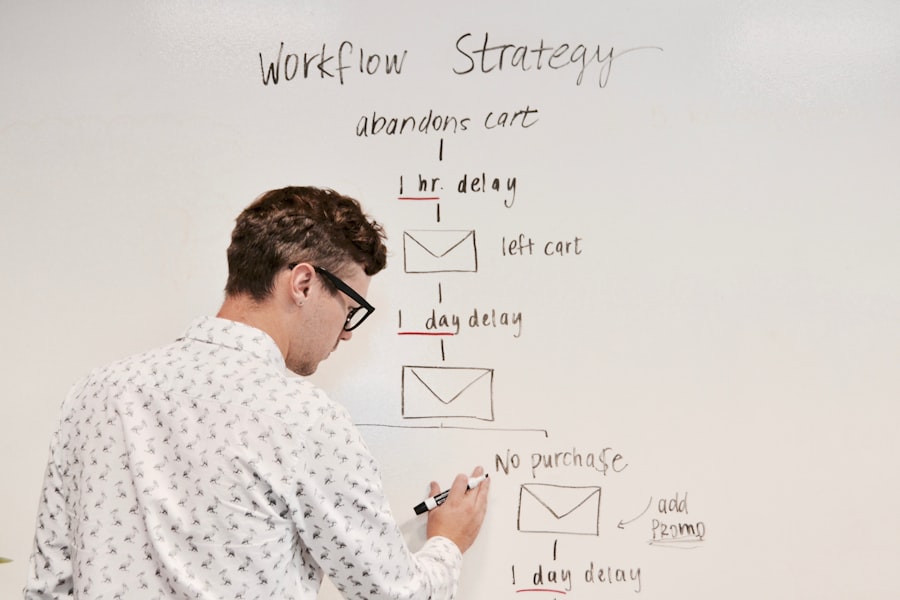
Don’t just segment by demographics. Segment by what your subscribers do. Have they abandoned a cart? Are they repeat purchasers of a specific product category? Have they opened every email for the past three months but never clicked a link? Have they downloaded specific whitepapers or attended certain webinars? These behaviors tell you a story about their intent, their interests, and where they are in their customer journey. Tailoring messages based on these actions leads to significantly higher relevance and engagement.
Value-Based Segmentation: Prioritizing Your Best Customers
Not all subscribers are created equal in terms of their monetary value or potential lifetime value. Implement value-based segmentation to identify your most valuable customers (and potential future valuable customers). These individuals might receive exclusive offers, early access to new products, or personalized outreach. Conversely, you might have segments of low-value or one-time purchasers who require different re-engagement strategies. By prioritizing your resources on your most impactful segments, you optimize your retention efforts.
Win-Back Campaigns for Dormant Subscribers
It’s inevitable: some subscribers will go quiet. Don’t immediately discard them. Instead, craft targeted win-back campaigns. These aren’t just generic “we miss you” emails. They should offer compelling incentives, showcase new products or features they might have missed, or even ask directly why they’ve disengaged. Sometimes, a simple, clear value proposition or a survey asking for their updated preferences can bring them back into the fold. The key is to make these campaigns thoughtful and demonstrative of your brand’s understanding of their specific needs.
Onboarding Series to Cultivate Early Engagement
The first few interactions a new subscriber has with your brand are critical. Don’t just send a welcome email and then dump them into your general newsletter list. Design a robust onboarding series that educates them about your brand, highlights your unique value proposition, and gently guides them towards their first key engagement or purchase. This series should be timely, informative, and designed to build trust and enthusiasm from the outset, setting the stage for long-term retention.
In the competitive landscape of subscription businesses, implementing advanced retention email strategies can significantly enhance customer loyalty and engagement. For those looking to further optimize their marketing efforts, exploring the concept of retargeting pixels can be incredibly beneficial. You can learn more about this technique in the article on maximizing conversions, which provides valuable insights into how retargeting can complement your email strategies. To read more, visit maximizing conversions with retargeting pixels.
Testing, Optimization, and Iteration: The Continuous Cycle of Improvement
| Metrics | Data |
|---|---|
| Open Rate | 25% |
| Click-Through Rate | 10% |
| Conversion Rate | 5% |
| Churn Rate | 3% |
| Revenue Impact | 20% increase |
Email marketing is not a “set it and forget it” endeavor. The most successful retention strategies are born from continuous testing, analysis, and refinement. Your audience’s preferences evolve, market trends shift, and your competitors are always innovating. You need to be agile and responsive.
A/B Testing Beyond Subject Lines
While A/B testing subject lines is standard practice, you need to expand your testing efforts significantly. Test different content formats (long-form vs. short-form, image-heavy vs. text-heavy), calls to action (placement, wording, button color), send times, sender names, and even the layout and design of your emails. Test segments of your audience with different value propositions. Every element of your email can be optimized for better engagement. Remember, even small improvements across multiple elements can lead to significant overall gains.
Understanding the “Why” Behind Your Data
Raw data is just numbers. Your job is to uncover the stories behind those numbers. Did a particular email perform poorly? Don’t just note the low CTR. Ask why. Was the offer unclear? Was the content irrelevant to that segment? Was the timing off? Conduct qualitative research if possible – perhaps through surveys to small, disengaged segments – to gather contextual information. Understanding the “why” allows you to make informed decisions for future campaigns, rather than just guessing.
Iterative Improvement: Small Changes, Big Impact
The goal isn’t to revolutionize your entire email strategy overnight. It’s about making small, incremental adjustments based on your testing and analysis. Each iteration builds upon the last. Perhaps this month you focus on improving your welcome series based on new subscriber feedback. Next month, you might experiment with interactive elements for a specific product launch. This continuous cycle of improvement ensures your email retention strategies remain effective, relevant, and constantly optimized for maximum subscriber engagement. You are not aiming for perfection in one go, but for continuous progress that compounds over time, steadily tightening the bond you have with your invaluable subscribers.
FAQs
What are advanced retention email strategies for subscription businesses?
Advanced retention email strategies for subscription businesses involve using personalized and targeted emails to engage and retain subscribers. This can include segmentation based on subscriber behavior, sending re-engagement campaigns, offering exclusive content or promotions, and utilizing automated email workflows.
How can segmentation improve retention email strategies for subscription businesses?
Segmentation allows subscription businesses to target specific groups of subscribers with personalized content and offers based on their behavior, preferences, and engagement with the brand. This can lead to higher open and click-through rates, as well as increased subscriber retention.
What are re-engagement campaigns and how can they benefit subscription businesses?
Re-engagement campaigns are designed to win back inactive subscribers by sending targeted emails with compelling offers or content. These campaigns can help subscription businesses re-engage with lapsed subscribers, reduce churn, and increase overall retention rates.
How can automated email workflows enhance retention strategies for subscription businesses?
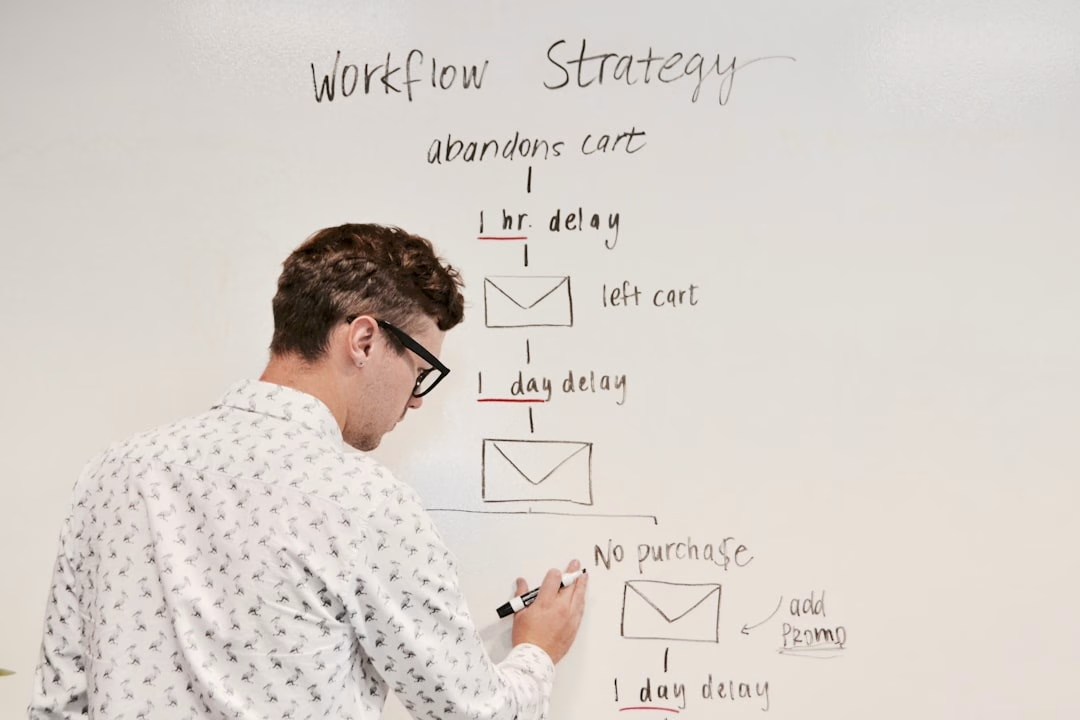
Automated email workflows allow subscription businesses to send timely and relevant emails based on subscriber actions or triggers. This can include onboarding sequences, renewal reminders, personalized recommendations, and other automated touchpoints to keep subscribers engaged and retained.
What role does personalization play in advanced retention email strategies for subscription businesses?
Personalization is crucial in advanced retention email strategies as it allows subscription businesses to deliver tailored content, offers, and recommendations to subscribers based on their individual preferences and behavior. This can lead to higher engagement, loyalty, and retention.