


You’re sending out your latest SmartMail campaign, and you’ve poured your heart and soul into crafting that perfect email. You believe the offer is irresistible, the copy is persuasive, and the design is sleek. You hit send, anticipation building, only to see your lead conversion rates stubbornly flatlining. What gives? You might be overlooking a crucial element: your SmartMail landing page. This isn’t just a virtual billboard; it’s the handshake, the first impression, the gateway to turning an interested reader into a valuable lead. Optimizing it isn’t an option; it’s a necessity. Think of your landing page as the crucial bridge between your email’s promise and the user’s action. If that bridge is rickety or confusing, your carefully crafted email will lead to a dead end.
This article will guide you through the process of optimizing your SmartMail landing pages, ensuring every click translates into a higher quality lead and a more successful campaign. We’ll dissect the key elements, offer actionable strategies, and empower you to transform your landing pages from passive recipients of traffic into active lead-generation machines.
Before you even think about tweaking a button color or rewriting a headline, you need to step into your audience’s shoes. Who are you trying to reach with this specific SmartMail campaign? What are their pain points, their aspirations, their current understanding of your product or service? This isn’t a one-size-fits-all approach. The landing page designed for a cold prospect intrigued by a free ebook will be vastly different from the one for a returning customer looking to upgrade.
Defining Your Ideal Lead Persona for This Campaign
Your SmartMail campaign likely has a specific goal in mind, and that goal is tied to a particular type of lead. You’ve segmented your email list for a reason, and your landing page should reflect that segmentation.
Identifying Key Demographic and Psychographic Traits
Consider the age, location, job title, industry, and interests of the people receiving this email. Are they B2B professionals looking for efficiency tools, or B2C consumers seeking a lifestyle improvement? Understanding these basic demographics provides a foundational understanding for content and design choices. More importantly, delve into their psychographics. What motivates them? What are their biggest challenges and desires? What kind of language resonates with them? A landing page that speaks directly to their needs and aspirations will always perform better.
Mapping Their Pain Points and Desires
Your SmartMail is designed to offer a solution or fulfill a desire. Your landing page must amplify this. If your email highlights how your service saves them time, the landing page should vividly illustrate that benefit. Instead of just stating “save time,” show them how much time, or what they can do with that saved time. Connect directly with their struggles. If they’re frustrated with a particular problem, your landing page should be the beacon of hope, the clear and obvious solution.
Aligning the Landing Page with the Email’s Promise
This is arguably the most critical aspect of landing page optimization for SmartMail. A disconnect between your email and your landing page is a surefire way to erode trust and kill conversions. Users click on your email link because they expect something specific. Your landing page must deliver on that expectation immediately and unequivocally.
Maintaining Message Consistency and Tone
The language, tone, and overall message of your email must be mirrored on your landing page. If your email is playful and uses emojis, your landing page shouldn’t suddenly become formal and corporate. The transition should feel seamless. If you promised a “free guide to social media success,” the landing page should clearly present that free guide and explain its value.
Visual Symmetry Between Email and Landing Page
Your branding is also a key element of this consistency. Use the same logo, color palette, and fonts on your landing page as you do in your email. This visual familiarity builds immediate trust and reinforces that the user has arrived at the correct destination. A sudden shift in visual style can make users question if they’re in the right place, leading to immediate bounces.
To enhance your understanding of SmartMails Landing Page Optimization for Higher Lead Conversion, you may find it beneficial to explore a related article that discusses creating visually appealing and responsive web forms. This resource provides valuable insights into designing forms that not only attract attention but also improve user engagement. You can read more about it in the article titled “Create a Stylish Responsive Web Form in Minutes” available at this link.
Crafting a Compelling Value Proposition on Your Landing Page
Your landing page’s primary purpose is to communicate value quickly and effectively. Users are often scanning, not reading. You have mere seconds to convince them that what you’re offering is worth their time and information. The value proposition is the core of this communication.
Headline That Grabs Attention and Promises a Benefit
Your headline is the first thing a user sees after clicking through. It needs to be impactful, clear, and benefit-oriented. It’s not just a title; it’s a promise.
Using Action-Oriented Language and Clear Benefits
Instead of generic headlines like “Our Service” or “Download Our Brochure,” aim for something that tells the user exactly what they’ll gain. For example, “Unlock 10x Your Email Engagement with Our Proven Strategy” is far more compelling than “Email Marketing Tips.” Use strong verbs and clearly articulate the outcome.
Ensuring the Headline Directly Addresses the Email’s Core Offer
Your headline should be a direct echo or a powerful extension of the promise made in your SmartMail. If your email highlighted a limited-time discount, your headline should immediately reinforce that urgency and the value of the offer. Don’t make users hunt for what they were promised.
Supporting Copy That Elaborates and Persuades
Once your headline has hooked them, the supporting copy needs to reel them in. This is where you elaborate on the benefits, address potential objections, and build desire.
Focusing on Benefits, Not Just Features
People don’t buy features; they buy solutions to their problems and the outcomes those features enable. Instead of saying “Our software has AI-powered analytics,” translate that into a benefit: “Gain actionable insights in minutes with our AI-powered analytics, allowing you to make smarter decisions faster.”
Using Clear, Concise, and Scannable Language
Avoid jargon and overly complex sentences. Use bullet points, short paragraphs, and adequate white space to make your copy easy to digest. Users are often on mobile devices, so brevity and clarity are paramount.
Incorporating Social Proof and Trust Signals
In today’s digital landscape, trust is a valuable currency. Users are more likely to convert if they see that others have already benefited from your offer.
Showcasing Testimonials and Customer Reviews
Authentic testimonials from satisfied customers are incredibly powerful. Include names, company affiliations (if B2B), and even photos if possible. Short, impactful quotes that highlight specific benefits are ideal.
Displaying Trust Badges and Security Seals
If your landing page involves financial transactions or requires users to share sensitive information, displaying trust badges (e.g., SSL certificates, security seal providers) is crucial for building confidence and reducing anxiety.
Designing for Optimal User Experience and Conversion
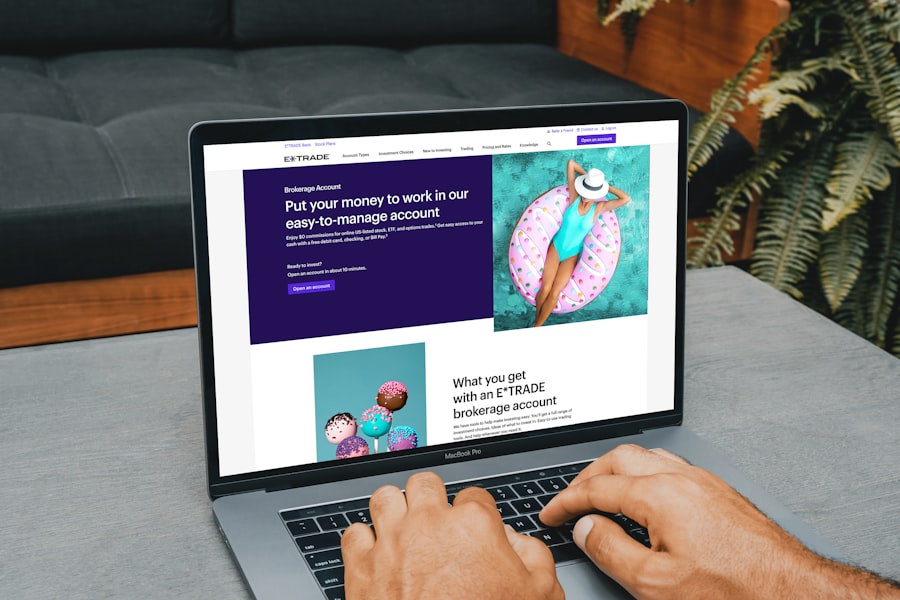
The visual and interactive elements of your landing page play a significant role in guiding the user towards conversion. A well-designed landing page is intuitive, attractive, and makes it effortless for users to take the desired action.
Streamlining the Form Design for Lead Capture
Your lead capture form is the point of submission. Every field, every button, every design element here can impact your conversion rates.
Minimizing the Number of Form Fields
Only ask for the information you absolutely need. The more fields you present, the higher the friction and the greater the chance of abandonment. Consider what essential data is required to nurture your leads effectively.
Using Clear and Concise Labeling for Each Field
Ambiguous labels lead to confusion and errors. Ensure each form field has a clear and straightforward label that leaves no room for misinterpretation. For instance, “Email Address” is better than just “Email.”
Implementing Clear Call-to-Action (CTA) Buttons
The CTA button is the gateway to your lead. It needs to be prominent, easy to find, and clearly state what will happen when clicked.
Making CTA Buttons Visually Distinct
Use a contrasting color that stands out from the rest of your landing page design. The button should be large enough to be easily clicked, especially on mobile devices.
Using Action-Oriented and Benefit-Driven Text
Similar to headlines, your CTA button text should be persuasive. Instead of “Submit,” try “Get Your Free Ebook Now,” “Download My Report,” or “Start My Free Trial.”
Optimizing Visual Hierarchy and Layout
The arrangement of elements on your page guides the user’s eye and directs their attention to the most important information and actions.
Strategic Placement of Key Information and CTAs
Place your most compelling information and your primary CTA above the fold where they are immediately visible. Subsequent CTAs can be placed strategically throughout the page, especially after key benefit sections.
Using White Space Effectively to Improve Readability
Don’t overcrowd your page with text and images. Ample white space makes your content easier to read, reduces visual clutter, and highlights important elements.
Ensuring Mobile-First Responsiveness and Speed
In today’s mobile-dominant world, your landing page must look and function flawlessly on smartphones and tablets. Slow loading times are a conversion killer.
Testing on Various Devices and Screen Sizes
Don’t just assume your page looks good on mobile. Actively test it on different devices and screen orientations to identify and fix any layout issues.
Optimizing Image Sizes for Faster Loading
Large, unoptimized images are a primary culprit for slow loading speeds. Compress your images without sacrificing quality to ensure quick page loads.
Implementing Effective Calls-to-Action (CTAs)
Your Call-to-Action is the engine of your landing page. It’s the explicit instruction that tells your visitor what you want them to do next. Without a strong, clear CTA, your landing page becomes a passive observer rather than an active lead generator.
Strategizing CTA Placement and Frequency
Where you put your CTA and how often you present it can significantly influence conversion rates. It’s a delicate balance; too few, and users might miss them, too many, and it can feel overwhelming.
Placing Primary CTAs Above the Fold
The most crucial CTA, the one that leads to the primary conversion, should be readily visible without the user having to scroll. This ensures that immediate action is possible for those who are already convinced.
Incorporating Secondary CTAs Strategically
For longer landing pages, consider placing secondary CTAs after sections that elaborate on benefits or address specific pain points. This reinforcement can be highly effective.
Avoiding an Overabundance of CTAs
While multiples can be beneficial, an excessive number of CTAs on a single page can create confusion and dilute the impact of your primary call to action. Focus on the most important next step.
Designing CTAs for Maximum Click-Through Rates
Beyond placement, the actual design of your CTA button is critical. It needs to be noticeable, inviting, and clearly communicate the value of clicking.
Using Contrasting Colors for Visibility
Your CTA button should stand out like a beacon. Use a color that is distinct from your page’s overall color scheme to draw the user’s eye.
Employing Action-Oriented and Benefit-Driven Text
Instead of generic prompts like “Submit,” use language that resonates with the user’s desires and the value they’ll receive. Phrases like “Get Your Free Guide,” “Download Now,” or “Claim Your Discount” are far more effective.
Ensuring CTAs are Sufficiently Large and Easy to Click
Especially on mobile devices, CTA buttons need to be large enough to be easily tapped with a finger without accidental clicks on surrounding elements.
Effective landing page optimization is crucial for boosting lead conversion rates, and understanding how to manage bounces and unsubscribes can significantly enhance your email marketing strategy. For insights on maintaining a healthy email list and protecting your sender reputation, you can explore this related article on automatic management of bounces and unsubscribes. By implementing the strategies discussed, you can ensure that your landing pages not only attract visitors but also convert them into valuable leads.
Analyzing and Iterating for Continuous Improvement
| Metrics | Before Optimization | After Optimization |
|---|---|---|
| Page Load Time | 6.2 seconds | 3.5 seconds |
| Bounce Rate | 45% | 30% |
| Conversion Rate | 10% | 15% |
| Mobile Responsiveness | Not optimized | Optimized |
Optimizing a landing page isn’t a one-time task; it’s an ongoing process of analysis, experimentation, and refinement. What works today might not work tomorrow, and understanding your data is key to staying ahead.
Utilizing Analytics Tools to Track Performance
You can’t improve what you don’t measure. A robust understanding of your landing page’s performance metrics is essential for identifying areas of improvement.
Monitoring Key Metrics Like Conversion Rate, Bounce Rate, and Time on Page
Your conversion rate is the ultimate measure of success. However, also pay attention to bounce rate (how quickly users leave) and time on page (how engaged they are) to understand user behavior.
Tracking Click-Through Rates on CTA Buttons and Links
Understanding which CTAs are being clicked and which aren’t can reveal valuable insights into the effectiveness of your messaging and design.
Conducting A/B Testing for Data-Driven Decisions
The most effective way to optimize is to experiment. A/B testing allows you to compare different versions of your landing page to see which performs better.
Testing Different Headlines and Copy Variations
Even small changes to your headline or supporting copy can have a significant impact on conversions. Test different angles, benefit-driven language, and persuasive techniques.
Experimenting with Different CTA Button Colors, Text, and Placement
Your CTA is a prime candidate for A/B testing. Explore how different visual treatments and messaging affect click-through rates.
Testing the Impact of Different Images and Visual Elements
Visuals can evoke emotions and convey information quickly. Experiment with different imagery to see what resonates most with your target audience.
By consistently analyzing your SmartMail landing pages and making data-driven adjustments, you can transform them into powerful lead-generation engines. Remember, each click from your meticulously crafted email is a vote of interest. Your landing page is where you capitalize on that interest and nurture it into a valuable lead. Investing time and effort in optimizing this critical touchpoint will undoubtedly pay dividends in the form of higher quality conversions and a more successful overall marketing strategy.
FAQs
What is SmartMails Landing Page Optimization?
SmartMails Landing Page Optimization is the process of improving the elements on a landing page to increase the likelihood of converting visitors into leads. This can include improving the design, content, and call-to-action of the landing page.
Why is Landing Page Optimization important for lead conversion?
Landing Page Optimization is important for lead conversion because it helps to ensure that the landing page is effectively capturing the attention of visitors and encouraging them to take the desired action, such as filling out a form or making a purchase.
What are some key elements of Landing Page Optimization?
Key elements of Landing Page Optimization include clear and compelling headlines, persuasive and relevant content, visually appealing design, a strong call-to-action, and a user-friendly layout.
How can SmartMails help with Landing Page Optimization?
SmartMails offers tools and resources to help businesses analyze and optimize their landing pages for higher lead conversion. This can include A/B testing, heat mapping, and personalized content recommendations.
What are some best practices for Landing Page Optimization?
Some best practices for Landing Page Optimization include conducting thorough research on the target audience, testing different elements of the landing page, using clear and concise language, and ensuring a seamless user experience across devices.