



The Foundation of Effective Campaigns: Understanding Your Audience
You’ve launched campaigns, invested time and resources, and perhaps even seen some decent results. But what if you could do better? What if you could significantly boost your return on investment, achieve higher conversion rates, and forge stronger connections with your customers? The key often lies not in increasing your budget or running more campaigns, but in refining your understanding of who you’re speaking to. This isn’t just about knowing basic demographics; it’s about delving into the intricacies of their behaviors, motivations, and needs. Better audience segmentation is the bedrock upon which truly successful campaigns are built, allowing you to move beyond generic messaging and embrace a personalized, impactful approach.
Think about it: when you try to speak to everyone, you often end up speaking to no one effectively. Your message becomes diluted, your calls to action less compelling, and your offers less relevant. The modern consumer is bombarded with information, and their attention is a precious commodity. To capture it, you need to demonstrate that you understand them, that you value their specific interests, and that you have a solution tailored precisely to their situation. This is where sophisticated audience segmentation comes into play. It empowers you to carve out distinct groups within your broader target market, each with unique characteristics that demand a customized communication strategy. By doing so, you minimize wasted ad spend, maximize engagement, and ultimately, drive superior campaign results. It’s a fundamental shift from a broad-brush approach to a surgical precision that respects your audience’s individuality and delivers undeniable value.
Beyond Basic Demographics: The Nuances of Segmentation
While demographic data like age, gender, and location are a good starting point, they only scratch the surface of true audience understanding. To truly improve your campaign results, you need to go deeper, exploring psychographics, behavioral patterns, and purchase history. Imagine two individuals who are both 35-year-old women living in the same city. One might be a highly active, environmentally conscious vegan who prefers experiences over material possessions. The other might be a busy working mother focused on convenience and value, prioritizing family-friendly products. A generic campaign targeting “35-year-old women in your city” would likely resonate poorly with both, or at best, only weakly with one.
This illustrates why moving beyond the obvious is crucial. Psychographic segmentation delves into your audience’s values, beliefs, attitudes, interests, and lifestyles. What drives them? What are their aspirations? What problems are they trying to solve? Behavioral segmentation, on the other hand, examines how your audience interacts with your brand and products. Are they frequent buyers or occasional browsers? Do they respond to discounts or educational content? What pages do they visit on your website? How do they engage with your emails? By combining these layers of data, you construct rich, multi-dimensional audience segments that provide a much clearer picture of who you’re trying to reach and what will truly move them to action. This holistic view allows you to craft messages that feel personalized and relevant, significantly increasing the likelihood of a positive response.
To enhance your campaign results through better audience segmentation, it’s also crucial to ensure that your web forms are optimized for conversions. A related article that provides valuable insights on this topic is titled “Your Web Form Is Leaking Subscribers: 5 Ways to Optimize It for Conversion.” You can read it [here](https://blog.smartmails.io/2025/12/01/your-web-form-is-leaking-subscribers-5-ways-to-optimize-it-for-conversion/). By addressing the issues with your web forms, you can significantly improve your subscriber acquisition and ultimately refine your audience segments for more effective campaigns.
Collecting and Analyzing Data for Deeper Insights
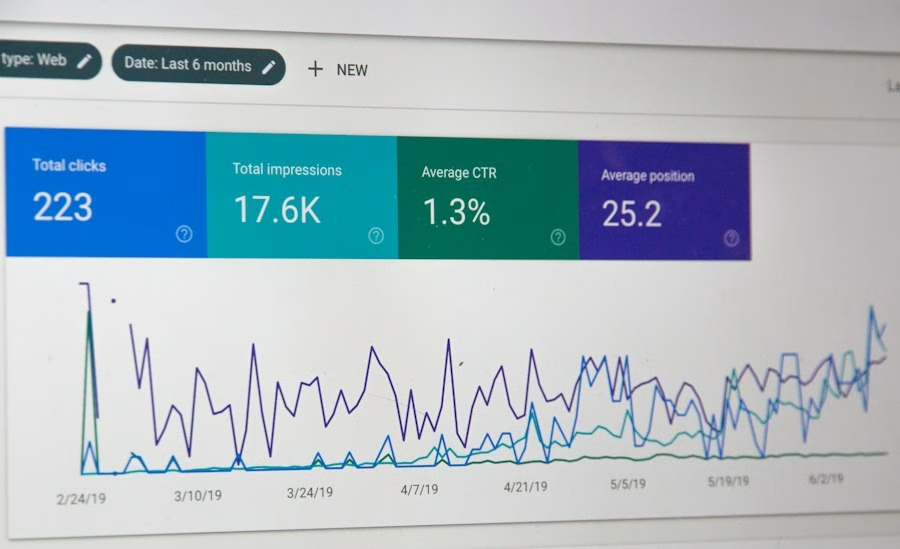
You can’t segment effectively without robust data. The quality and breadth of your data directly correlate with the effectiveness of your audience segments. Your ability to gather, organize, and interpret this information will define the precision of your targeting and, consequently, the success of your campaigns. This isn’t a one-time task; it’s an ongoing process of discovery and refinement. As your business evolves, as market trends shift, and as your customers’ needs change, your data collection and analysis strategies must adapt accordingly. Embrace a data-driven mindset, and you’ll uncover opportunities for optimization that others miss.
The good news is that you likely already have access to a wealth of data through various channels. The challenge is often in unifying this data, making sense of it, and transforming it into actionable insights. This requires a systematic approach to data collection, a keen eye for patterns, and the right tools to bring it all together. Don’t be overwhelmed by the sheer volume of data; instead, focus on identifying the key data points that directly inform your understanding of audience behaviors and motivations. Prioritize data that helps you answer specific questions about your customers, such as “What problem are they trying to solve?” or “What kind of content do they engage with most?”
Leveraging Your Existing Data Sources
Start by auditing the data you already possess. Your website analytics are a goldmine of information about user behavior: which pages they visit, how long they stay, their navigation paths, and where they exit. This can inform behavioral segmentation. Your CRM system holds valuable customer purchase history, interaction logs, and sometimes even demographic or firmographic details. Email marketing platforms provide insights into open rates, click-through rates, and which content resonates most with different subscribers. Social media analytics offer a glimpse into audience demographics, interests, and engagement patterns on various platforms.
Beyond these common sources, consider transaction data from your e-commerce platform or POS system, which can reveal buying habits, average order values, and product preferences. Customer service interactions can highlight common pain points, questions, and areas of interest. If you run surveys or feedback forms, the qualitative data collected can offer profound insights into customer sentiment, needs, and desires – invaluable for psychographic segmentation. The key is to consolidate this disparate data where possible, perhaps using a customer data platform (CDP) or data warehouse, to create a unified view of each customer. This unified profile allows you to see the complete picture, rather than fragmented glimpses, leading to much more accurate and actionable segments.
Implementing New Data Collection Strategies
While existing data is crucial, you’ll often find gaps that need filling. Proactive data collection can involve implementing new strategies to gather specific information you lack. For instance, creating targeted surveys with clear objectives can help you understand customer motivations, preferences, and challenges that aren’t apparent from behavioral data alone. These surveys can be delivered via email, website pop-ups, or even social media polls. Asking the right questions can uncover valuable psychographic insights.
Consider progressive profiling on your website or in your lead generation forms. Instead of asking for all information upfront, collect a little bit of data each time a user interacts with you. For example, on their first visit, you might just ask for an email. On a subsequent visit, you might ask about their primary interest or industry. Over time, you build a richer profile without overwhelming the user. Integrating third-party data providers can also augment your internal data, especially for B2B companies looking for firmographic data or B2C companies seeking broader lifestyle insights. Lastly, monitoring user-generated content, social media conversations, and online reviews can provide unsolicited feedback and reveal authentic customer opinions and pain points, offering organic insights into their values and perspectives.
Crafting Meaningful Audience Segments

Once you’ve collected and begun to analyze your data, the next critical step is to translate that raw information into actionable segments. This isn’t just about slicing your audience into arbitrary groups; it’s about identifying distinct cohorts that share common characteristics relevant to your marketing objectives. Meaningful segments are those that exhibit different needs, behaviors, or motivations that warrant a tailored marketing approach. The goal is to create groups that are internally homogeneous (members within the segment are similar to each other) and externally heterogeneous (segments are distinct from each other).
Resist the urge to create too many segments initially, which can lead to over-complication and dilute your efforts. Start with a manageable number of key segments that represent significant differences in your audience, and then refine and expand as you gain more experience and data. The true power of segmentation comes from its ability to guide your messaging, channel selection, and product development, so ensure each segment has a clear purpose and a discernible marketing implication.
Defining Your Segmentation Criteria
The criteria you choose for segmentation will depend heavily on your business model, products/services, and marketing goals. Common criteria include:
- Demographic: Age, gender, income, education, marital status, family size, occupation. Useful for broad targeting and media placement.
- Geographic: Location (country, region, city, postal code), climate, population density. Essential for local businesses or geographically specific campaigns.
- Psychographic: Lifestyle, values, attitudes, interests, opinions, personality traits. Excellent for understanding motivations and crafting emotionally resonant messages.
- Behavioral: Purchase history, website browsing behavior, engagement with content (emails, social media), loyalty status, product usage, benefits sought. Crucial for personalized offers and timely communication.
For B2B companies, additional criteria might include firmographics (industry, company size, revenue), technographics (technology stack used), and professional roles/titles. When defining your criteria, ask yourself: “What characteristics most strongly predict how someone will respond to my marketing efforts?” For example, if you sell high-end luxury goods, income and psychographic indicators of status-seeking might be more relevant than age. If you sell enterprise software, company size, industry, and the decision-maker’s role will be paramount. Combine multiple criteria to create more granular and powerful segments. For instance, instead of just “young adults,” you might have “environmentally conscious young urban professionals interested in sustainable tech.”
Creating Actionable Customer Personas
Once you’ve identified your key segments, transform them into customer personas. A persona is a semi-fictional representation of your ideal customer within a specific segment, based on your data and some educated assumptions. Give your persona a name, a job title, a demographic profile, and most importantly, a story. What are their goals? What are their challenges? What motivates them? What fears do they have? Where do they get their information?
For example, a persona for a B2B SaaS company might be “Marketing Manager Melissa.” Melissa is 38, works at a mid-sized tech company, and her primary goal is to increase lead generation efficiency. Her biggest challenge is integrating disparate marketing tools and proving ROI to her superiors. She reads industry blogs, attends webinars, and values solutions that offer clear analytics and seamless integration. Crafting these narratives makes your segments tangible and helps your marketing team empathize with the target audience. It makes it easier to brainstorm relevant content, design compelling offers, and choose the most effective communication channels. Referencing personas in your strategy meetings ensures that every campaign element is designed with a specific, well-understood individual in mind, moving away from abstract target audiences to concrete, relatable individuals.
Tailoring Campaigns for Segmented Audiences
With well-defined segments and rich personas in hand, you’re ready to revolutionize your campaign execution. This is where the rubber meets the road: transforming insights into action. The core principle here is personalization at scale. You’re no longer broadcasting generic messages; you’re having tailored conversations with distinct groups, making each interaction feel more relevant, valuable, and ultimately, more persuasive. This strategic shift will lead to noticeable improvements in engagement, conversion rates, and customer loyalty.
Remember, the effort you’ve put into data collection and segmentation is wasted if you don’t adjust your campaign strategy accordingly. Each segment should have a unique approach based on its characteristics, needs, and preferred channels. This doesn’t necessarily mean creating entirely new campaigns for every single segment, but rather adapting key elements of your campaigns to resonate specifically with each group. The goal is to create a seamless, consistent, and highly relevant experience for each customer, regardless of which segment they belong to.
Crafting Segment-Specific Messaging and Content
The most immediate and impactful way to tailor your campaigns is through messaging and content. Your personas should guide every word you write and every piece of content you create. For example, if you have a segment of “budget-conscious students,” your messaging might focus on affordability, discounts, and practical benefits. For a segment of “affluent professionals,” your messaging might emphasize quality, exclusivity, and time-saving features.
Consider these aspects for each segment:
- Language and Tone: Should it be formal or informal? Humorous or serious? Technical or layman’s terms?
- Value Proposition: What specific problem does your product/service solve for this segment? Highlight benefits that are most relevant to their unique needs and pain points.
- Call to Action (CTA): What action do you want this segment to take? Tailor your CTA to their stage in the customer journey and their specific motivation. “Download our advanced whitepaper” might appeal to a technical segment, while “Get your free trial” appeals to those ready to test a solution.
- Content Format: Does your segment prefer blog posts, videos, infographics, webinars, case studies, or interactive tools? A visual learner segment might respond better to video tutorials, while a research-oriented segment might prefer detailed reports.
- Imagery: Use visuals that resonate with their lifestyle, aspirations, or challenges. Show people and situations they can identify with.
By aligning your messaging, content, and visuals with the specific characteristics of each segment, you drastically increase the likelihood of capturing their attention and prompting a desired action. This isn’t just about using their name in an email; it’s about demonstrating a deep understanding of their world.
Optimizing Channels and Timing
Different segments not only consume different types of content but also prefer different channels and times for engagement. A segment of young professionals might be highly active on Instagram and LinkedIn during working hours, while a segment of stay-at-home parents might engage more with Facebook groups or email newsletters in the evenings.
- Channel Selection: Which platforms do your segments frequent? If your target is B2B decision-makers, LinkedIn ads and email might be highly effective. If it’s Gen Z, TikTok and YouTube might yield better results. Don’t waste budget on channels where your segments aren’t present or aren’t receptive.
- Timing: When are your segments most likely to be online and receptive to your message? Sending emails at optimal times can significantly boost open rates. Scheduling social media posts during peak engagement hours for each segment can increase visibility. Consider their daily routines, work schedules, and personal habits.
- Device Preference: Does your segment primarily access content on mobile, desktop, or tablet? Ensure your content and landing pages are optimized for their preferred device. A segment of commuters might prefer mobile-friendly content they can consume on the go.
By strategically choosing your channels and optimizing your timing based on segment-specific behaviors, you ensure your message reaches the right person, at the right place, at the right time. This multi-faceted approach to tailoring campaigns maximizes impact and minimizes wasted effort.
To enhance your campaign results through improved audience segments, it’s beneficial to explore various strategies that can complement your efforts. One such approach is the use of retargeting pixels, which can significantly boost conversions by re-engaging users who have previously interacted with your brand. For more insights on this topic, you can read about the advantages of retargeting in the article on maximizing conversions found here. By integrating these techniques, you can create a more effective marketing strategy that resonates with your target audience.
Measuring, Testing, and Iterating for Continuous Improvement
| Metric | Description | Impact on Campaign Results | Improvement Strategy |
|---|---|---|---|
| Click-Through Rate (CTR) | Percentage of users who click on the ad after seeing it | Higher CTR indicates more relevant audience targeting | Segment audience by interests and behaviors to increase relevance |
| Conversion Rate | Percentage of users who complete a desired action after clicking | Improved conversion rate shows better audience alignment | Use demographic and psychographic data to refine segments |
| Cost Per Acquisition (CPA) | Average cost to acquire a customer through the campaign | Lower CPA means more efficient audience targeting | Exclude low-performing segments and focus on high-value groups |
| Engagement Rate | Level of interaction (likes, shares, comments) with the campaign | Higher engagement reflects better audience resonance | Segment by user activity and preferences to boost engagement |
| Return on Ad Spend (ROAS) | Revenue generated for every unit spent on advertising | Higher ROAS indicates more profitable audience targeting | Analyze past purchase behavior to create high-value segments |
| Bounce Rate | Percentage of visitors who leave without interacting further | Lower bounce rate suggests better audience fit | Use intent-based segmentation to attract genuinely interested users |
Launching segmented campaigns is a significant step, but your work isn’t done. The true power of better audience segments lies in the continuous cycle of measurement, testing, and iteration. Marketing is an evolving discipline, and your audience is dynamic. What works today might not be as effective tomorrow. By establishing a robust framework for analysis and optimization, you ensure your campaigns remain relevant, efficient, and increasingly effective over time. This data-driven feedback loop is essential for maximizing your return on investment and maintaining a competitive edge.
Never settle for “good enough.” Always be asking: “Can this be better?” “What can we learn from this data?” “How can we refine our approach?” This inquisitive mindset is what drives sustainable growth and helps you uncover new opportunities that might not have been apparent at first glance. Embrace experimentation, view failures as learning opportunities, and let the data guide your decisions.
Key Metrics for Evaluating Segment Performance
To understand if your segmented approach is working, you need to track specific metrics that demonstrate effectiveness. Beyond overall campaign metrics, focus on segment-specific performance:
- Conversion Rate per Segment: Are certain segments converting at a higher rate than others? This is a direct indicator of message-market fit.
- Click-Through Rate (CTR) per Segment: How engaged is each segment with your ads or emails? A low CTR for a segment might suggest a disconnect in messaging or channel choice.
- Engagement Metrics per Segment: (e.g., time on page, video watch time, social media likes/shares/comments). These metrics provide insight into how well your content resonates.
- Customer Lifetime Value (CLTV) per Segment: Are certain segments more valuable over the long term? This can inform resource allocation and customer acquisition strategies.
- Cost Per Acquisition (CPA) per Segment: Is it more expensive to acquire customers from certain segments? This helps you optimize your ad spend.
- Return on Ad Spend (ROAS) per Segment: The ultimate measure of profitability for each segment.
By breaking down these metrics by segment, you can pinpoint exactly which groups are performing well and which require further optimization. This granular view is invaluable for making informed decisions about where to invest your marketing efforts. Dashboards and regular reporting that highlight these segment-specific metrics will become your compass for continuous improvement.
A/B Testing and Iterative Refinement
The insights from your performance metrics should fuel a continuous cycle of A/B testing. Don’t make assumptions; test them. A/B testing involves creating two versions of a campaign element (e.g., a headline, image, CTA, email subject line) and showing each version to a statistically significant portion of your target segment to see which performs better.
Here’s how to approach it:
- Hypothesize: Based on your segment data and performance metrics, form a hypothesis. For example, “We hypothesize that a CTA emphasizing ‘efficiency’ will perform better for our ‘busy professionals’ segment than one emphasizing ‘cost savings’.”
- Test One Variable: In each A/B test, only change one element at a time. This allows you to isolate the impact of that specific change.
- Run the Test: Allocate enough traffic or impressions to each version to achieve statistical significance.
- Analyze Results: Determine which version performed better based on your chosen metric (e.g., conversion rate, CTR).
- Implement and Iterate: Implement the winning version and then develop a new hypothesis for your next test. This iterative process allows you to gradually optimize every aspect of your campaigns for each segment.
Consider testing different messaging angles, visual styles, content formats, landing page layouts, pricing presentations, and even the timing of your messages for each distinct segment. What works for one segment might not work for another, and A/B testing allows you to discover these nuances empirically. Over time, this iterative refinement process will lead to significantly improved campaign results, deeper customer understanding, and a more efficient allocation of your marketing resources. Remember, successful marketing isn’t about getting it perfect on the first try; it’s about constantly learning, adapting, and improving.
FAQs
What are audience segments in marketing campaigns?
Audience segments are groups of individuals who share similar characteristics or behaviors, allowing marketers to tailor their messages and offers to better resonate with each group.
Why is it important to use audience segments in marketing campaigns?
Using audience segments allows marketers to deliver more personalized and relevant content to different groups of people, increasing the chances of engagement and conversion.
How can better audience segments improve campaign results?
By creating more refined audience segments, marketers can target their messaging more effectively, leading to higher engagement rates, increased conversions, and ultimately better campaign results.
What are some ways to create better audience segments for marketing campaigns?
Some ways to create better audience segments include analyzing customer data, conducting market research, using segmentation tools, and testing different segmentations to see which ones perform best.
How can marketers ensure that their audience segments are effective and up-to-date?
Marketers can regularly review and update their audience segments by monitoring changes in customer behavior, preferences, and demographics, as well as by collecting feedback and data from ongoing campaigns to refine their segmentation strategies.