



Understanding the Referral Ecosystem and Your Role
You’ve built a great product or service, and your customers love it. Now, how do you tap into that enthusiasm and transform it into a powerful engine for growth? The answer lies in effective customer referral programs, and email marketing is your most potent tool for fueling their success. Before diving into specific strategies, it’s crucial to understand the foundational elements of a successful referral ecosystem. It’s not just about asking for referrals; it’s about creating an environment where customers want to refer you, and where the process is so seamless it feels like a natural extension of their positive experience.
The Psychology Behind Referrals
Think about why people refer. It’s often a combination of genuine satisfaction with your offering and a desire to help their friends and family. However, there’s also a psychological component driven by social capital and reciprocity. When your customers recommend you, they’re putting their own reputation on the line. This means they need to feel confident not only in your product but also in the smooth, positive experience their referral will have. Your email marketing needs to acknowledge and leverage these psychological drivers, making it clear that referring you is a positive action for everyone involved. You’re not just asking them to do you a favor; you’re inviting them to share a valuable solution with their network, enhancing their own status as a trusted resource. Furthermore, the incentive structure plays a vital role. While some customers will refer purely out of goodwill, a well-structured incentive can provide that extra nudge, turning passive satisfaction into active advocacy. The perceived value of the reward, both for the referrer and the referred, needs to be compelling and relevant to your audience.
Building a Robust Referral Program Foundation
Before you even craft your first referral email, you need a solid referral program in place. This includes defining clear terms, conditions, and, most importantly, compelling incentives. What will you offer your existing customers for a successful referral? What will the new customer receive? Transparency is key; your customers need to understand exactly how the program works, what constitutes a successful referral, and when and how they will receive their rewards. Consider a tiered referral program where incentives increase with the number of successful referrals, fostering sustained engagement. Automate as much of the process as possible, from tracking referrals to delivering rewards. This not only reduces your administrative burden but also ensures a smooth, reliable experience for your customers, reinforcing their trust in your brand. A clunky or unreliable referral program will quickly erode goodwill and discourage participation, regardless of how well your emails are crafted. Ensure that the referral link or code is easy to generate and share, and that the landing page for referred customers is optimized for conversion.
In the realm of email marketing, understanding the intricacies of deliverability can significantly enhance your strategies for increasing customer referral participation. A related article that delves into this topic is titled “Deliverability 2025: The Ultimate Guide to IP Address Types,” which provides valuable insights into how different IP address types can affect your email campaigns. You can read more about it here: Deliverability 2025: The Ultimate Guide to IP Address Types. This resource will help you optimize your email marketing efforts and ensure that your referral requests reach your audience effectively.
Crafting Compelling Referral Email Campaigns

Once your referral program is robust, your email marketing becomes the engine that drives participation. This isn’t about sending a single “refer us!” email; it’s about designing a strategic series of communications that nurture your advocates and guide them through the referral process.
Segmentation for Targeted Outreach
Not all customers are created equal when it comes to referral potential. Segmenting your audience is paramount for effective email marketing. Who are your most enthusiastic customers? Who has recently had a stellar experience? Who has been with you the longest and shown the highest loyalty? You might segment based on:
- Customer Lifetime Value (CLTV): Your highest-value customers are often your biggest advocates.
- Recent Positive Interactions: Customers who have recently given you a 5-star review, completed a survey with high satisfaction, or had a positive customer service interaction are prime candidates.
- Engagement Levels: Customers who frequently interact with your product/service or open your emails are more likely to be engaged with a referral program.
- Purchase History/Usage: Customers who have purchased specific products or used specific features that are ideal for referrals.
Tailoring your email content to these segments will dramatically increase your open and conversion rates. A customer who just wrote a glowing review needs a different approach than a long-standing, quiet loyalist. For instance, you could send a “Thank You for Your Feedback!” email to those who left a positive review, subtly weaving in the referral opportunity. For your highest CLTV customers, you might offer a more exclusive or higher-value referral incentive as a token of appreciation for their continued loyalty.
Designing Engaging Email Content
The content of your referral emails needs to be clear, concise, and compelling. Avoid jargon and get straight to the point.
Personalization and Storytelling
Start with personalization. Address the customer by name, and if possible, reference their recent positive experience. “Hi [Customer Name], we noticed you recently gave us a 5-star rating on [platform]!” or “We appreciate your loyalty since [start date]!” Beyond personalization, incorporate storytelling. How has your product/service helped other customers? How can their friends benefit? Share a brief, relatable anecdote or testimonial about the positive impact your offering has had. This makes the referral less about a transaction and more about sharing a valuable solution. Frame the referral in terms of the benefit to the referred friend, not just the referrer. “Help your friends discover the same [benefit] you enjoy!”
Clear Call to Action (CTA)
Your CTA must be unmistakable. Use strong, action-oriented language like “Refer a Friend Now,” “Share the Love,” or “Invite Your Network.” Make the button visually prominent and easy to click. Ensure the link takes them directly to your referral program’s sharing interface, minimizing friction. Don’t make them search for where to refer. A single, clear CTA is usually more effective than multiple options. Test different CTA placements and wording to see what resonates best with your audience.
Highlighting the Incentives
Clearly articulate the benefits for both the referrer and the referred. Use bullet points or a clear visual to showcase the rewards. “You get [Referrer Reward], and they get [Referred Reward]!” Be specific about the value. “Get $25 off your next purchase” is more impactful than “Get a discount.” If your incentives are tiered, explain how they can earn more. Use engaging visuals, like images of the rewards or a graphic illustrating the referral process. This makes the incentive more tangible and appealing. Consider highlighting the total potential savings or earnings if they refer multiple people.
Simplifying the Sharing Process
The easier it is to share, the more likely your customers are to do it. Provide pre-written social media posts, email templates, and direct links to share via WhatsApp, Facebook, Twitter, and LinkedIn. Offer a unique referral code or link that’s easy to copy and paste. Embed these sharing options directly within the email itself, or lead them to a dedicated, mobile-friendly referral landing page designed for frictionless sharing. Reduce the number of clicks required to make a referral. If they have to log in, navigate multiple pages, or fill out extensive forms, you’ll lose them.
Optimizing Email Delivery and Timing
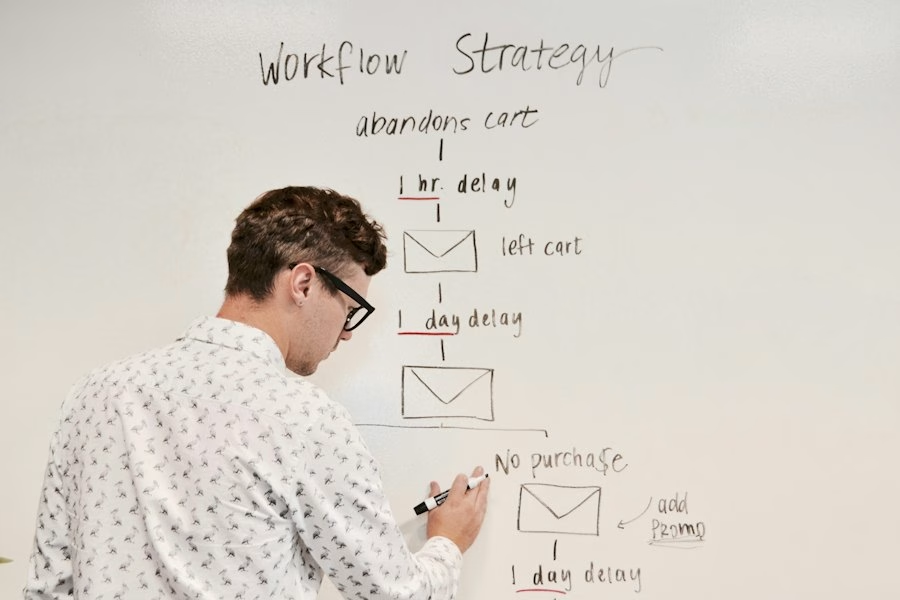
Even the most compelling email content will fall flat if it doesn’t reach your audience at the right time and in the right way. This section focuses on the technical and strategic aspects of email delivery.
Strategic Send Times
Timing is everything. Sending referral emails when your customers are most receptive can significantly boost participation. Consider:
- Post-Purchase/Post-Onboarding: After a customer has had a positive initial experience and is feeling satisfied. Don’t ask immediately upon purchase, but wait a few days or weeks until they’ve had a chance to use your product/service.
- After Positive Engagement: Following a positive customer service interaction, a high satisfaction survey response, or a 5-star review.
- Milestone Anniversaries: On their customer anniversary or birthday, when they’re feeling appreciated.
- Seasonal or Event-Based: Tie your referral campaigns to relevant holidays, product launches, or company milestones. “Share the [holiday] cheer and earn a reward!”
- Peak Engagement Hours: Analyze your email analytics to identify when your audience is most active and likely to open emails. This often varies by industry and demographic.
Avoid sending referral requests during times of high stress or when your customer might be preoccupied, such as during major system outages or if they’ve recently reported an issue.
A/B Testing and Analytics
Never assume; always test. A/B test every element of your referral emails to continuously optimize their performance.
Subject Lines and Preheaders
Your subject line is your first impression. Test different approaches:
- Benefit-oriented: “Refer a Friend, Get $25!”
- Intrigue: “Unlock exclusive rewards for sharing!”
- Direct: “Our Referral Program is Here!”
- Personalized: “[Customer Name], Share [Your Company] and Earn!”
The preheader text (the snippet that appears after the subject line in an inbox) is equally important. Use it to expand on the subject line or add another compelling reason to open. Test emojis in subject lines and preheaders to see if they increase open rates for your audience.
Email Layout and Visuals
Experiment with different layouts, image placements, and the overall visual hierarchy of your emails. Does a single, prominent CTA perform better than multiple smaller links? Do engaging images of the rewards increase click-throughs? Is a minimalist design more effective than a feature-rich one? Ensure your emails are fully responsive and look great on all devices, especially mobile, given the prevalence of smartphone usage for checking emails in 2026. Clunky mobile rendering is a quick way to lose potential referrers.
CTA Wording and Placement
As mentioned earlier, test different CTA language and button colors. Also, experiment with the placement of your CTA within the email. Is it more effective at the top, middle, or bottom? Does repeating the CTA slightly further down improve clicks without being overly aggressive? Analyze your click-through rates (CTR) for each variation to identify the winners.
Frequency and Drip Campaigns
Sending too many referral emails can lead to unsubscribe fatigue, while too few might mean missed opportunities. Implement a strategic drip campaign approach.
Initial Referral Ask
This is your primary email, sent to your segmented, most qualified customers after a positive interaction or milestone.
Gentle Reminders
If they haven’t referred after the initial email, send a polite, non-pushy reminder a few weeks later. Reiterate the benefits and make it easy to share. Avoid sounding accusatory or demanding. Frame it as “Just a friendly reminder about our referral program…” or “Don’t miss out on [reward]!”
Educational Content
Some customers might be hesitant because they don’t fully understand the process or are unsure how to explain your product/service to their friends. Send an email with tips on how to refer, common questions, or even a short video explaining the benefits of your offering that they can share.
Incentivized Nudges
Consider offering a limited-time bonus incentive for referrals made within a specific window. “Refer a friend this week and get an extra $10!” This can create urgency and spur action from fence-sitters. Remember to space these emails out to avoid overwhelming your subscribers. A good rule of thumb is to allow several weeks between referral-specific emails.
Leveraging Referral Program Updates and Success Stories
Maintaining momentum in your referral program requires more than just initial asks. You need to keep it fresh, relevant, and visible, continuously reminding your customers of the value they can gain by participating.
Announcing New Incentives or Tiers
Stagnant incentives can lead to decreased participation. Periodically introduce new or enhanced rewards to re-engage your existing referrers and attract new ones. When you roll out a new incentive or add a new tier to your program, make sure to announce it prominently through email.
Highlighting Enhanced Rewards
Send a dedicated email campaign detailing the exciting new rewards. Use strong visuals and clear language to showcase the increased value. For instance, “Bigger Rewards Await! Now earn $50 for every successful referral!” or “Introducing our VIP Referral Tier: Unlock exclusive experiences!” Emphasize how easy it is to achieve these new rewards. This creates a sense of novelty and gives your customers a fresh reason to participate.
Explaining New Program Tiers
If you’re introducing a multi-tiered referral program, explain clearly how customers can advance through the tiers and the corresponding benefits. Use a visual representation, like a progress bar or a simple infographic, to illustrate the journey from one tier to the next. For example, “Refer 3 friends, become a Silver Advocate and unlock [benefit]! Refer 10, reach Gold status and receive [even better benefit]!” This gamification can be highly motivating.
Celebrating Referrer Successes
People love to see others succeed, and they love to be recognized. Publicly (with permission, of course) celebrating your top referrers or highlighting successful referrals can be incredibly motivating.
Featuring Top Referrers (with consent)
Send out emails that feature customers who have successfully referred others. You could highlight their name (or a pseudonym if they prefer), share a brief quote about why they love your product, and mention the rewards they’ve earned. “Meet Sarah, one of our top referrers, who just earned $100 in credits by sharing [Your Company] with her network!” This acts as social proof and inspires others to follow suit. Make sure to get explicit consent before featuring any customer by name or image.
Sharing Impactful Referral Stories
Beyond just numbers, share stories of how referred customers have benefited from your product or service. This shows the real-world impact of your referral program and reinforces the idea that referring you is genuinely helpful. For example, “Thanks to Jane’s referral, Mark found our [solution] and has seen a 30% increase in [metric]!” This adds an emotional layer to the referral process and emphasizes the positive ripple effect.
In the realm of enhancing customer referral participation, understanding the nuances of relationship marketing can be incredibly beneficial. A related article that delves into this topic is titled “The Art of Relationship Marketing in the Digital Age,” which provides valuable insights on how to cultivate meaningful connections with customers. By implementing effective email marketing strategies, businesses can foster these relationships and encourage referrals. You can read more about it in this insightful piece here.
Integrating Referrals Across the Customer Journey
| Strategy | Metric | Typical Range | Impact on Referral Participation | Notes |
|---|---|---|---|---|
| Personalized Email Content | Open Rate | 20% – 35% | High | Personalization increases engagement and trust |
| Clear Call-to-Action (CTA) | Click-Through Rate (CTR) | 2% – 10% | High | Strong CTAs drive more referral clicks |
| Incentive Offers (e.g., discounts, rewards) | Referral Sign-Up Rate | 5% – 15% | Very High | Incentives motivate customers to refer |
| Follow-Up Reminder Emails | Conversion Rate | 10% – 25% | Medium | Reminders help increase referral completions |
| Mobile-Optimized Emails | Mobile Open Rate | 40% – 60% | Medium | Mobile-friendly emails improve accessibility |
| Social Sharing Buttons | Share Rate | 1% – 5% | Low to Medium | Facilitates easy sharing of referral links |
| Segmented Email Lists | Engagement Rate | 25% – 40% | High | Targeted messaging improves relevance |
| Referral Program Updates | Repeat Referral Rate | 10% – 20% | Medium | Keeping customers informed encourages ongoing participation |
Referral opportunities shouldn’t be confined to standalone emails. Integrate the referral ask naturally and strategically throughout various touchpoints in the customer journey to maximize participation and ensure it feels like a seamless extension of their experience with your brand.
Post-Purchase Confirmation Emails
Immediately after a successful purchase or subscription, customers are often feeling positive and enthusiastic. While it’s too soon to ask for a referral, you can plant the seed. Your post-purchase confirmation email can include a subtle link to your referral program or a mention of future earning opportunities. “Thank you for your purchase! Don’t forget, you can earn rewards by sharing [Your Company] with your friends!” This introduces the idea without being overtly demanding. You can also include a small, easily digestible paragraph about the referral program in the footer of these emails.
Customer Service Interactions
Positive customer service experiences are powerful drivers of referrals. When a customer has just had an issue resolved efficiently and pleasantly, they’re in a prime mental state to advocate for your brand. Empower your customer service representatives to mention the referral program at the end of positive interactions. “I’m glad we could resolve that for you, [Customer Name]. By the way, if you know anyone else who could benefit from our service, we have a referral program where you both can earn rewards!” Follow up with an email containing their unique referral link if the conversation was particularly positive and they expressed interest. This human touch can be incredibly effective.
Product Usage Milestones and Anniversaries
Celebrate your customers’ journey with you. When they hit a specific usage milestone (e.g., used your software for 100 hours, achieved a certain goal with your product, renewed their subscription), or on their customer anniversary, send a celebratory email. These moments are ideal for reintroducing the referral program. “Happy 1-year anniversary with [Your Company], [Customer Name]! We appreciate your loyalty. Did you know you can earn [reward] by inviting your friends to experience the same great service?” These emails feel less like a pure marketing ask and more like a gesture of appreciation, making the referral prompt more palatable.
Exit Intent and Re-Engagement Campaigns
Even if a customer is considering leaving, or has become inactive, there’s still an opportunity for a referral. In re-engagement emails, you can frame the referral program as a way to share the value they once found in your product. For exit-intent surveys, ask not just why they’re leaving, but also if they’d still recommend you to others. If they say yes, then follow up with an email specifically about the referral program. This taps into potential goodwill even during a difficult stage. Sometimes, a customer might not be a good fit for your product anymore, but they might know someone who is, and an incentive could still motivate them to make that connection.
In the realm of email marketing, enhancing customer referral participation is crucial for sustainable growth. A related article that delves into effective techniques for fostering customer loyalty is available at boosting customer retention with trigger-based emails. This resource provides valuable insights on how to leverage automated email strategies to keep customers engaged, ultimately leading to increased referrals and a stronger brand presence. By integrating these approaches, businesses can create a more robust referral program that not only attracts new customers but also retains existing ones.
Measuring and Iterating Your Referral Email Strategy
The work doesn’t stop once your referral emails are deployed. Continuous monitoring, analysis, and iteration are crucial for maximizing the effectiveness of your campaigns and ensuring sustained customer referral participation. Without data, you’re flying blind.
Key Performance Indicators (KPIs) for Referral Emails
To understand what’s working and what isn’t, you need to track specific metrics.
Open Rates and Click-Through Rates (CTR)
These are fundamental email marketing metrics. A low open rate suggests your subject lines or sender name aren’t compelling. A low CTR indicates your email content, CTA, or incentive isn’t resonating with those who open. Monitor these metrics closely for each referral email campaign and across different segments. Benchmarking against industry averages can provide context, but focus more on your own trends and improvements over time.
Referral Link Shares and Conversions
This is where the rubber meets the road. Track how many unique referral links are generated and shared, and more importantly, how many of those shared links lead to new customer sign-ups or purchases. You need a robust tracking system for your referral program that integrates with your email marketing platform. A high share rate but low conversion rate might indicate issues with your landing page for referred friends, or that the referred friends aren’t truly qualified leads. Conversely, a low share rate means your emails aren’t motivating enough people to act.
Reward Redemption Rates
Monitor how many rewards are claimed by both referrers and referred customers. Low redemption rates could signal that your rewards are not desirable, or that the redemption process is too complex. If customers aren’t receiving their promised rewards promptly, it can damage trust and discourage future referrals. Ensure your automated reward delivery system is flawless and that customers are clearly informed about how and when they will receive their incentives.
Customer Lifetime Value (CLTV) of Referred Customers
One of the biggest benefits of referred customers is their typically higher CLTV and lower churn rates compared to customers acquired through other channels. Track the CLTV of customers acquired through your referral program. If their CLTV is significantly higher, it justifies greater investment in your referral email strategies. This metric provides a powerful long-term perspective on the value of your referral efforts.
Gathering Feedback and Iterating
Data tells you what is happening, but customer feedback tells you why. Combine your analytics with qualitative insights to continuously improve.
Surveys and Feedback Forms
Include a short survey in your referral program’s dashboard or send follow-up emails to referrers asking about their experience. “How easy was it to refer a friend?” “What could make our referral program better?” “Did you understand the incentives clearly?” Provide an open text field for suggestions. Pay close attention to common pain points or suggestions for improvement.
Monitoring Social Media and Reviews
Keep an eye on social media mentions and reviews related to your referral program. Are customers praising it? Are there complaints about the process or rewards? This public feedback can provide invaluable insights into customer sentiment and identify areas for improvement that they might not share directly. Engage with both positive and negative feedback constructively.
Adapting Based on Performance
Based on your KPIs and customer feedback, be prepared to make changes. This could involve:
- Adjusting Incentives: If redemption rates are low, perhaps the rewards aren’t compelling enough, or a different type of reward (cash vs. credit, product vs. discount) would be more effective.
- Refining Email Copy: If open rates are low, test new subject lines. If CTR is low, rework your email body and CTA.
- Streamlining the Sharing Process: If sharing rates are low, investigate if the process is too cumbersome or if the sharing options are not convenient for your audience.
- Updating Program Terms: If there’s confusion about terms or eligibility, clarify them and communicate the changes effectively via email.
Embrace an agile approach. Your referral email marketing strategy is not a static document; it’s a living system that requires constant attention and refinement to effectively boost customer referral participation in 2026 and beyond. By consistently measuring, gathering feedback, and iterating, you’ll ensure your program remains a powerful engine for sustainable growth.
FAQs
What is email marketing and how does it relate to customer referrals?
Email marketing is a digital marketing strategy that involves sending emails to a targeted audience to promote products, services, or brand awareness. It relates to customer referrals by leveraging existing customers to encourage their friends and family to engage with the brand, often through referral programs that reward customers for bringing in new clients.
What are effective strategies for increasing customer referral participation through email marketing?
Effective strategies include creating personalized referral emails, offering incentives for referrals, utilizing clear and compelling calls-to-action, segmenting your email list to target specific customer groups, and regularly following up with customers to remind them of the referral program.
How can incentives boost customer referral participation in email marketing?
Incentives, such as discounts, gift cards, or exclusive offers, can significantly boost customer referral participation by providing a tangible reward for customers who refer others. This not only motivates existing customers to share the brand with their network but also enhances their overall satisfaction and loyalty.
What metrics should be tracked to measure the success of email marketing referral campaigns?
Key metrics to track include the referral conversion rate, the number of referrals generated, the engagement rate of referral emails (open and click-through rates), customer lifetime value from referred customers, and the overall return on investment (ROI) of the referral program.
How often should businesses send referral emails to their customers?
Businesses should aim to send referral emails strategically, typically once a month or after a significant customer interaction, such as a purchase or positive feedback. However, the frequency may vary based on customer engagement levels and the nature of the referral program, ensuring not to overwhelm customers with too many emails.