




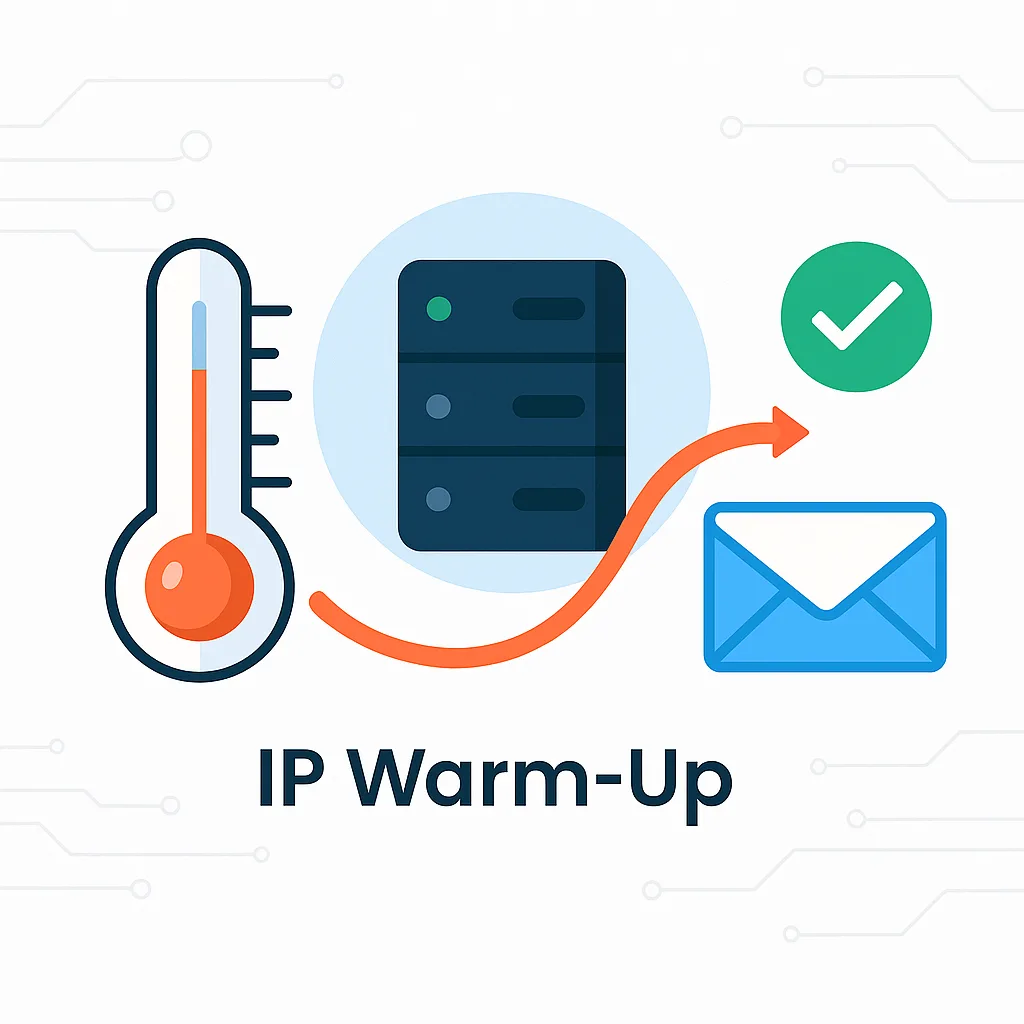
IP warm-up is a crucial process in the realm of email marketing, designed to establish a positive reputation for a new IP address. When you begin sending emails from a new IP, internet service providers (ISPs) are cautious. They monitor the behavior of this IP to determine whether it is trustworthy or potentially harmful.
Essentially, IP warm-up involves gradually increasing the volume of emails sent from this new address over a period of time. This gradual approach helps build credibility and ensures that your emails land in the inbox rather than the dreaded spam folder. As you embark on the IP warm-up journey, it’s essential to understand that this process is not merely about sending emails; it’s about sending them in a way that fosters trust with ISPs.
You need to start with a small number of emails and slowly ramp up your sending volume. This allows ISPs to observe your sending patterns and engagement metrics, which are critical in determining your IP’s reputation. By taking the time to warm up your IP properly, you set the stage for successful email campaigns in the future.
Key Takeaways
- IP warm-up is the process of gradually increasing the volume of emails sent from a new IP address to establish a positive sending reputation.
- IP warm-up is important for email success because it helps to build trust with internet service providers (ISPs) and improve deliverability rates.
- IP warm-up works by starting with a small volume of emails and gradually increasing the sending volume over a period of time, typically 2-4 weeks.
- Gradual sending volume is important during IP warm-up to avoid triggering spam filters and to monitor recipient engagement.
- Engagement plays a crucial role in IP warm-up as ISPs monitor how recipients interact with emails to determine sender reputation.
Why is IP Warm-Up Important for Email Success?
The importance of IP warm-up cannot be overstated when it comes to achieving email success. A well-executed warm-up process can significantly enhance your email deliverability rates. When you send emails from a new IP without warming it up, ISPs may flag your messages as suspicious, leading to high bounce rates and low engagement.
This can severely impact your overall email marketing efforts, making it difficult for you to reach your audience effectively. Moreover, a successful IP warm-up helps you build a solid sender reputation over time. This reputation is vital because it influences how ISPs view your emails.
If you consistently send high-quality content that engages your audience, ISPs will recognize this positive behavior and reward you with better deliverability rates. In contrast, if you rush the warm-up process or fail to engage your recipients, you risk damaging your reputation, which can have long-lasting effects on your email marketing campaigns.
How Does IP Warm-Up Work?

The mechanics of IP warm-up involve a systematic approach to increasing your email sending volume while monitoring engagement metrics closely. Initially, you start by sending a limited number of emails—typically to your most engaged subscribers. This could be around 50 to 100 emails per day, depending on your overall list size and the reputation of your previous sending domains.
The goal during this phase is to establish a baseline of positive engagement. As you progress through the warm-up process, you gradually increase the volume of emails sent each day. This increase should be incremental; for instance, you might double your sending volume every few days based on how well your emails are being received.
Throughout this period, it’s crucial to keep an eye on key performance indicators such as open rates, click-through rates, and bounce rates. These metrics will provide insights into how ISPs are perceiving your sending behavior and whether adjustments are necessary.
The Importance of Gradual Sending Volume
| Metrics | Importance |
|---|---|
| Recipient Engagement | Gradual sending volume allows for better recipient engagement as it avoids overwhelming recipients with too many emails at once. |
| Deliverability | Gradual sending volume can improve deliverability as it reduces the risk of triggering spam filters or being marked as spam by email providers. |
| Open and Click Rates | Gradual sending volume can lead to higher open and click rates as it gives recipients time to engage with each email before receiving the next one. |
| Subscriber Satisfaction | Gradual sending volume can improve subscriber satisfaction as it shows consideration for their inbox and reduces the likelihood of unsubscribes. |
Gradual sending volume is a cornerstone of the IP warm-up process. By starting small and increasing your email output slowly, you allow ISPs to adjust to your sending patterns without raising any red flags.
If you were to send a large volume of emails right out of the gate, ISPs might interpret this as suspicious behavior, leading to negative consequences for your sender reputation. Additionally, a gradual increase in sending volume allows you to monitor engagement levels effectively. If you notice a sudden drop in open rates or an increase in bounces as you ramp up your sending, it’s a clear indication that something may be amiss.
By taking it slow, you can make necessary adjustments in real-time, ensuring that you maintain a positive relationship with ISPs and keep your audience engaged.
The Role of Engagement in IP Warm-Up
Engagement plays a pivotal role in the success of your IP warm-up efforts. ISPs closely monitor how recipients interact with your emails—whether they open them, click on links, or mark them as spam. High engagement rates signal to ISPs that your content is valuable and relevant to your audience, which can positively influence your sender reputation.
Conversely, low engagement can lead to negative consequences, including being flagged as spam or having your emails relegated to the promotions tab. To foster engagement during the warm-up process, focus on sending targeted and relevant content to your subscribers. Personalization can significantly enhance engagement levels; consider segmenting your audience based on their preferences or past interactions with your brand.
By delivering tailored content that resonates with your recipients, you increase the likelihood of positive engagement metrics, which ultimately supports the success of your IP warm-up strategy.
Monitoring and Adjusting During the Warm-Up Process

Monitoring and adjusting during the IP warm-up process is essential for ensuring that you stay on track toward achieving optimal deliverability rates. As you gradually increase your sending volume, keep a close eye on key performance indicators such as open rates, click-through rates, bounce rates, and unsubscribe rates. These metrics will provide valuable insights into how well your emails are being received and whether any adjustments are necessary.
If you notice any concerning trends—such as a spike in bounces or a decline in open rates—be prepared to adjust your strategy accordingly. This might involve slowing down the rate at which you increase your sending volume or revisiting the content you’re delivering to ensure it aligns with your audience’s interests. By being proactive in monitoring and adjusting during the warm-up process, you can safeguard your sender reputation and set yourself up for long-term email marketing success.
Common Mistakes to Avoid During IP Warm-Up
As with any process, there are common pitfalls that can derail your IP warm-up efforts if you’re not careful. One significant mistake is failing to start with a small sending volume. Jumping straight into high-volume sends can raise red flags with ISPs and jeopardize your sender reputation from the outset.
It’s crucial to resist the temptation to send large batches of emails too quickly; instead, focus on building trust gradually. Another common mistake is neglecting engagement metrics during the warm-up process. Some marketers may become so focused on increasing their sending volume that they overlook how recipients are interacting with their emails.
Ignoring engagement can lead to poor deliverability rates and damage your sender reputation over time. Always prioritize quality over quantity; ensure that you’re delivering valuable content that resonates with your audience.
Best Practices for a Successful IP Warm-Up
To ensure a successful IP warm-up process, adhere to several best practices that can guide you along the way. First and foremost, always start with a small number of emails sent to your most engaged subscribers. This initial group should consist of individuals who have recently interacted with your brand and are likely to engage positively with your content.
Additionally, maintain consistent sending patterns throughout the warm-up period. Consistency helps establish trust with ISPs and signals that you’re a legitimate sender. Avoid sudden spikes in sending volume; instead, opt for gradual increases based on positive engagement metrics.
Lastly, regularly review and analyze performance data to identify trends and make necessary adjustments as needed.
The Impact of IP Reputation on Deliverability
Your IP reputation has a direct impact on email deliverability rates. A strong reputation means that ISPs view you as a trustworthy sender, which increases the likelihood that your emails will land in recipients’ inboxes rather than their spam folders. Conversely, a poor reputation can lead to significant deliverability challenges, making it difficult for you to reach your audience effectively.
Building and maintaining a good IP reputation requires ongoing effort beyond just the warm-up process. It involves consistently delivering high-quality content that engages recipients while adhering to best practices for email marketing. By prioritizing reputation management throughout all stages of your email campaigns, you can enhance deliverability rates and ensure long-term success.
Strategies for Maintaining a Good IP Reputation
Maintaining a good IP reputation involves several strategies that extend beyond the initial warm-up phase. First and foremost, continue monitoring engagement metrics regularly after completing the warm-up process. High open rates and low bounce rates signal to ISPs that you’re delivering valuable content that resonates with recipients.
Another effective strategy is to implement list hygiene practices consistently. Regularly clean your email list by removing inactive subscribers or those who have bounced multiple times. This helps ensure that you’re only sending emails to engaged recipients who are likely to interact positively with your content.
Additionally, consider implementing double opt-in processes for new subscribers; this ensures that individuals genuinely want to receive communications from you.
The Long-Term Benefits of IP Warm-Up
In conclusion, investing time and effort into an effective IP warm-up process yields long-term benefits for your email marketing campaigns. By establishing a positive sender reputation through gradual increases in sending volume and prioritizing engagement metrics, you set yourself up for success in reaching your audience effectively. The importance of this process cannot be overstated; it lays the foundation for improved deliverability rates and fosters trust with ISPs.
As you navigate the complexities of email marketing, remember that maintaining a good IP reputation requires ongoing diligence beyond just warming up an IP address. By adhering to best practices and continuously monitoring performance metrics, you’ll be well-equipped to sustain long-term success in your email marketing endeavors. Ultimately, a well-executed IP warm-up strategy not only enhances deliverability but also strengthens relationships with your audience—an invaluable asset in today’s competitive digital landscape.
In the realm of email marketing, understanding the importance of an IP “warm-up” is crucial for ensuring successful delivery rates and maintaining a positive sender reputation. For those looking to delve deeper into related topics, you might find the article on email review strategies insightful. It discusses various techniques to enhance your email campaigns, which can complement your understanding of IP warm-up processes. You can read more about it in this article.
FAQs
What is an IP “Warm-Up”?
An IP “warm-up” is the process of gradually increasing the volume of emails sent from a new IP address in order to establish a positive sending reputation with internet service providers (ISPs) and email inbox providers.
Why is IP “Warm-Up” Critical for Your Email Success?
IP “warm-up” is critical for email success because it helps to build trust with ISPs and email inbox providers, which in turn improves email deliverability. Without a proper warm-up process, sending a large volume of emails from a new IP address can trigger spam filters and result in poor deliverability rates.