



As a small business owner, you are perpetually navigating a landscape where resources are finite, and competition is often fierce. In this environment, every strategic decision carries weight, and the allocation of your efforts must yield measurable returns. One such strategic imperative, often overlooked or underutilized, is email marketing. This channel, far from being a relic of the internet’s early days, remains a potent force for fostering growth, cultivating relationships, and ultimately, bolstering your bottom line.
Think of your email list not merely as a collection of addresses, but as a direct pipeline to your most engaged and valuable audience members. Unlike social media, where algorithms dictate visibility and your messages are filtered, email ensures direct delivery. You are effectively knocking on the door of your customers’ digital homes, rather than shouting into a crowded marketplace.
The Power of Permission-Based Marketing
You receive explicit consent to communicate with your audience when they subscribe. This principle of permission-based marketing is fundamental. It signifies that your audience has expressed an interest in what you offer, making them significantly more receptive to your messages. This stands in stark contrast to unsolicited advertisements.
Fostering Trust and Brand Loyalty
By consistently delivering valuable content, exclusive offers, and relevant updates, you cultivate a sense of trust. This trust is the bedrock of brand loyalty. When customers feel valued and informed, they are more likely to return, recommend your business, and engage with your brand on a deeper level.
Personalization as a Relationship Enhancer
Modern email marketing tools empower you to segment your audience and personalize your messages. Addressing subscribers by name, recommending products based on their past purchases, or sending birthday discounts are not mere pleasantries; they are strategic moves that deepen the personal connection and demonstrate that you understand their individual needs and preferences.
In addition to understanding why email marketing is essential for small business growth, it’s crucial to consider the technical aspects that can enhance your email campaigns. A related article that delves into this topic is “Maximizing Email Deliverability with a Dedicated IP,” which provides valuable insights on how to improve your email deliverability rates. By implementing the strategies discussed in this article, small businesses can ensure their marketing messages reach their intended audience effectively. You can read the article here: Maximizing Email Deliverability with a Dedicated IP.
Cost-Effectiveness and High Return on Investment (ROI)
For a small business, every dollar spent must be justified. Email marketing consistently delivers one of the highest ROIs among all digital marketing channels. Its inherent low cost per message, coupled with its direct reach and conversion potential, makes it an exceptionally efficient tool for growth. Imagine a fishing expedition where you can target specific fish species with precision, rather than casting a wide net hoping for a general catch. Email marketing offers that precision.
Lower Acquisition Costs Compared to Other Channels
Acquiring a new customer through paid advertising can be prohibitively expensive for a small business. Email marketing, by nurturing existing leads and encouraging repeat purchases, significantly reduces your customer acquisition costs (CAC). Once a prospect opts into your list, the cost of communicating with them becomes negligible.
Maximizing Lifetime Customer Value (LCV)
Email marketing is not solely about initial sales; it’s about fostering long-term relationships that increase the lifetime value of each customer. By staying top-of-mind, offering exclusive perks, and providing excellent post-purchase support, you encourage repeat business and transform one-time buyers into loyal advocates.
Measurable Results and Data-Driven Optimization
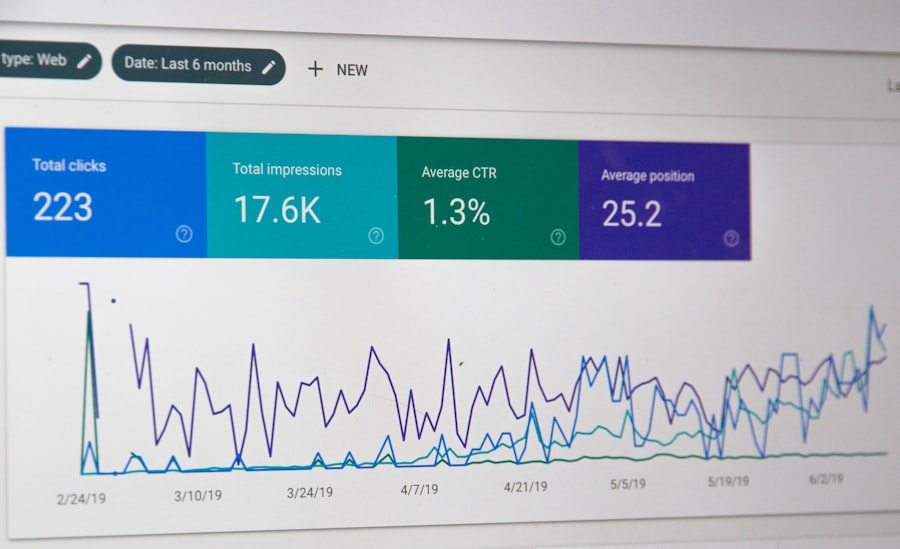
Unlike traditional marketing methods that often leave you guessing about their effectiveness, email marketing provides a wealth of data. You can track open rates, click-through rates, conversion rates, and even the revenue generated from specific campaigns. This data is your compass, guiding you toward more effective strategies.
A/B Testing for Continuous Improvement
With email, you are empowered to conduct A/B tests on various elements of your campaigns – subject lines, call-to-actions, email content, and even send times. This iterative process of testing and refining allows you to constantly optimize your campaigns for maximum impact, ensuring your efforts are always evolving and becoming more impactful.
Driving Sales and Conversions

Ultimately, the goal of any business endeavor is to generate revenue. Email marketing, when executed strategically, acts as a powerful engine for driving sales and encouraging specific actions, whether it’s a purchase, a website visit, or a consultation booking. It’s like having a dedicated sales assistant who works tirelessly, around the clock.
Targeted Promotions and Offers
Email allows you to segment your audience and deliver highly targeted promotions. For instance, you can send a discount code for gardening tools to customers who have previously purchased gardening supplies, or announce a new yoga class to subscribers who have expressed interest in fitness. This precision eliminates wasted efforts.
Cart Abandonment Recovery
One of the most effective conversion strategies is addressing abandoned shopping carts. When a customer adds items to their cart but doesn’t complete the purchase, a timely and well-crafted email can serve as a gentle reminder, often including an incentive, prompting them to complete the transaction. This recovers otherwise lost sales.
Product Launches and Event Promotions
When you’re launching a new product or service, or hosting an event, email marketing is an invaluable tool for generating excitement and driving attendance. You can provide exclusive sneak peeks, early bird discounts, and detailed information directly to your interested audience, ensuring maximum engagement.
Upselling and Cross-Selling Opportunities
Beyond initial sales, email marketing provides ample opportunities for upselling and cross-selling. You can recommend complementary products based on a customer’s recent purchase (cross-selling) or suggest an upgraded version of a product they already own (upselling). This not only increases individual transaction values but also enhances the overall customer experience.
Building Brand Awareness and Authority
Beyond direct sales, email marketing plays a crucial role in establishing your brand’s presence and positioning it as an authority within your niche. Consistent communication, coupled with valuable content, helps to solidify your brand identity and build a loyal community around your business. Think of it as cultivating a garden; consistent tending leads to a flourishing ecosystem.
Sharing Valuable Content and Expertise
Your email campaigns are not solely for promotional messages. They are also a platform for sharing valuable content – blog posts, industry insights, tutorials, and tips – that demonstrates your expertise and positions you as a thought leader. When you provide value, customers are more likely to view you as a trusted source of information.
Establishing Thought Leadership
By regularly disseminating insightful content, you establish your business as a knowledgeable entity in your field. This authority attracts new customers, fosters trust with existing ones, and differentiates you from competitors who may only focus on overt sales pitches.
Announcing News and Updates
Email allows you to keep your audience informed about important company news, updates, and milestones. Whether it’s a new store location, a charity initiative, or a significant achievement, email ensures your most engaged customers are the first to know, reinforcing their connection to your brand.
Reinforcing Brand Messaging and Values
Each email you send is an opportunity to reinforce your brand’s core messaging, values, and unique selling proposition. Consistent branding across your email communications helps to etch your identity into the minds of your audience, making your brand instantly recognizable and memorable.
Email marketing is a powerful tool for small business growth, allowing companies to connect directly with their audience and drive engagement. To enhance the effectiveness of email campaigns, it’s essential to adopt data-driven strategies. For instance, understanding how to optimize your emails through testing can significantly improve your results. You can explore this concept further in the article on email split testing, which provides valuable insights into how to refine your approach and maximize your marketing efforts. Check it out here.
Facilitating Customer Feedback and Support
| Metric | Value | Explanation |
|---|---|---|
| Average ROI | 4200% | Email marketing generates an average return on investment of 42 times the cost. |
| Open Rate | 20-25% | Typical open rates for small business email campaigns, indicating engagement level. |
| Click-Through Rate (CTR) | 2.5-5% | Percentage of recipients who click on links within the email, driving traffic and conversions. |
| Customer Retention Rate | 60-70% | Email marketing helps maintain a high retention rate by nurturing customer relationships. |
| Cost per Lead | Low | Email marketing is one of the most cost-effective channels for acquiring new leads. |
| Conversion Rate | 1-5% | Percentage of email recipients who complete a desired action, such as making a purchase. |
| List Growth Rate | 5-10% monthly | Rate at which small businesses can grow their email subscriber lists with consistent efforts. |
Email marketing is not a one-way street. It provides avenues for your customers to offer feedback, ask questions, and seek support, thereby strengthening the customer-business relationship. This direct line of communication is essential for understanding your audience and adapting your offerings.
Gathering Valuable Customer Insights
You can use email to conduct surveys, solicit product reviews, and gather testimonials. This feedback is invaluable for understanding your customers’ needs, identifying areas for improvement, and tailoring your products or services to better meet their expectations. It’s like having a direct line to your customer’s desires and frustrations.
Encouraging Reviews and Testimonials
Positive reviews and testimonials are powerful social proof. Email campaigns can effectively solicit these, directing satisfied customers to review platforms or prompting them to provide a testimonial directly. This authentic feedback builds trust with potential new customers.
Providing Proactive Customer Support
Email can be used to proactively address potential customer service issues. Sending order confirmations, shipping updates, and follow-up emails after a purchase can significantly improve the customer experience by keeping them informed and reducing the likelihood of inquiries or complaints.
Building a Knowledge Base and FAQs
You can also leverage email to direct customers to your website’s knowledge base or frequently asked questions (FAQ) section, empowering them to find solutions independently. This not only improves customer satisfaction but also frees up your support team to handle more complex inquiries.
In conclusion, for a small business, email marketing represents an indispensable tool for sustainable growth and long-term success. It offers a direct, cost-effective, and measurable way to build relationships, drive sales, establish brand authority, and provide exceptional customer support. By investing in a well-structured email marketing strategy, you are not merely sending messages; you are cultivating a thriving community around your business, fostering loyalty, and ensuring your place in the competitive marketplace. Its enduring relevance and adaptability make it a bedrock of modern small business marketing.
FAQs
What is email marketing?
Email marketing is a digital marketing strategy that involves sending targeted emails to a group of subscribers or customers to promote products, services, or brand awareness.
Why is email marketing important for small businesses?
Email marketing is important for small businesses because it provides a cost-effective way to reach and engage customers, build relationships, increase sales, and drive business growth.
How does email marketing help in customer retention?
Email marketing helps in customer retention by delivering personalized content, special offers, and updates that keep customers informed and engaged, encouraging repeat business.
What are the key benefits of using email marketing for small business growth?
Key benefits include direct communication with customers, high return on investment (ROI), measurable results, increased brand loyalty, and the ability to target specific audiences effectively.
How can small businesses get started with email marketing?
Small businesses can get started by building an email list, choosing an email marketing platform, creating valuable content, segmenting their audience, and regularly sending targeted campaigns while complying with email regulations.