


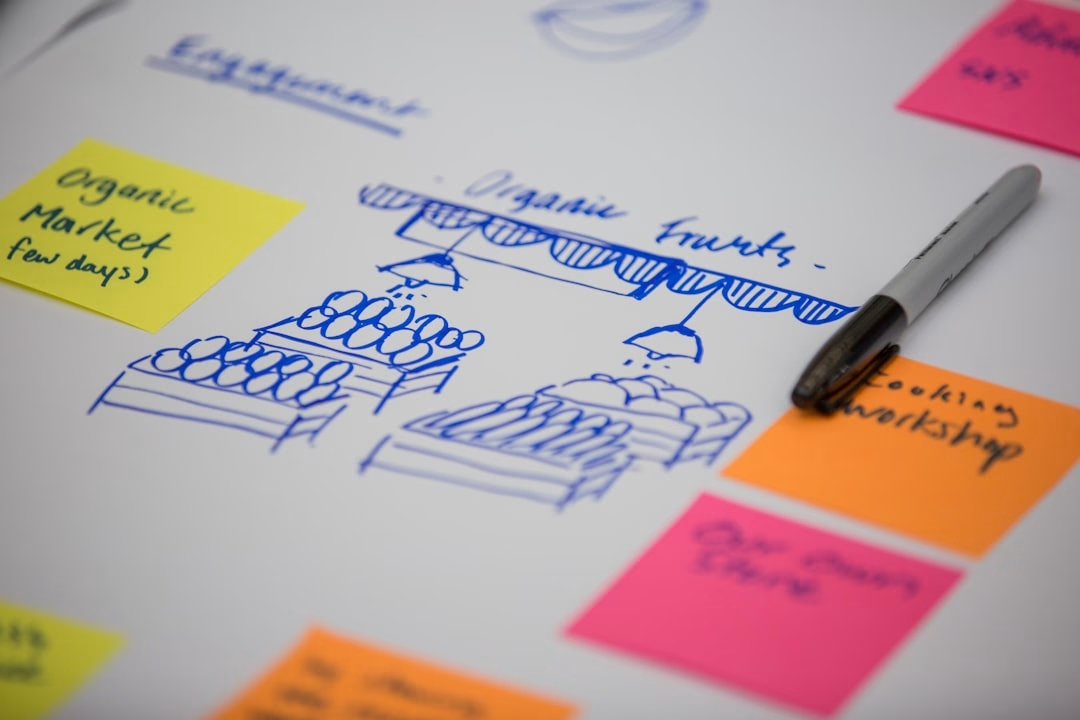
You’ve heard it before, the mantra of modern marketing: “Know your customer.” But in the fast-paced world of email marketing, simply knowing who they are isn’t enough. You need to understand their entire experience with your brand, from the moment they first hear your name to the point where they become a loyal advocate. This is where mapping the customer journey for your email campaigns becomes not just beneficial, but essential.
Think of it like this: you wouldn’t send a treasure map to someone who doesn’t know where they’re looking for buried gold, would you? Similarly, sending generic emails to a diverse audience hoping for a hit is a shot in the dark. By meticulously mapping your customer’s journey, you transform your email strategy from a scattershot approach to a precisely targeted, highly effective communication system. It allows you to anticipate needs, address pain points, and guide individuals seamlessly through the conversion funnel, ultimately fueling deeper engagement and driving better results. This involves understanding their motivations, their hesitations, and the touchpoints where your emails can make the most significant impact.
This isn’t about a single, static map. Your customer’s journey is dynamic, evolving with their interactions and changing needs. Your email strategy, therefore, must be equally flexible, adapting and refining with each campaign. When you truly understand where your audience is in their journey, you can craft emails that resonate, offer value at the right moment, and ultimately build stronger, more lasting relationships. This article will guide you through the process of creating this invaluable map, empowering you to unlock the full potential of your email marketing efforts.
Before you can effectively map your customer’s journey for email campaigns, you need a solid grasp of what a customer journey map actually is. It’s not just a flowchart or a list of demographics. It’s a rich, visual representation of the entire experience a customer has with your brand, from their initial awareness to their ultimate loyalty. For email marketing, it specifically focuses on how your email communications intersect with and influence this broader journey.
Defining the Scope of Your Map
What’s in a Name? Customer vs. User Journey
It’s important to clarify that while “customer journey” and “user journey” are often used interchangeably, there can be subtle distinctions relevant to your email strategy. A user journey often focuses on the experience of interacting with a product or service. A customer journey is broader, encompassing all touchpoints, including marketing, sales, support, and post-purchase interactions. For email marketing, you’re primarily concerned with the customer journey, as emails often bridge these different stages and touchpoints. They are the glue that holds the relationship together, from initial attraction to ongoing engagement.
The Purpose-Driven Approach: Why Map for Email?
The primary goal of mapping your customer journey for email campaigns is to ensure every email you send is relevant, timely, and valuable to the recipient. This isn’t about sending more emails; it’s about sending better emails. By understanding their stage, you can tailor content, offers, and calls to action (CTAs) to specifically address their current needs and motivations. This dramatically increases open rates, click-through rates, conversions, and ultimately, customer retention. Without this understanding, you risk sending generic, irrelevant messages that can alienate your audience. The map provides the strategic framework for personalized, high-impact email communication.
Key Components of a Comprehensive Journey Map
A robust customer journey map, especially one geared towards email marketing, typically includes several key elements that paint a holistic picture:
Customer Persona Development
Before you can map a journey, you need to know who you’re mapping. This involves creating detailed customer personas. These are semi-fictional representations of your ideal customers, based on research and data.
Demographic and Psychographic Insights
Go beyond basic age and location. Understand your personas’ occupations, income levels, education, interests, hobbies, values, and attitudes. What are their aspirations? What are their frustrations? This deep dive is crucial for crafting emails that truly connect on an emotional and intellectual level.
Pain Points and Motivations
What problems are your personas trying to solve? What are their underlying desires and goals? Identifying these pain points and motivations is the bedrock of relevant email content. Your emails should offer solutions and help them achieve their aspirations.
Goals and Objectives
What are your personas trying to achieve at different stages of their relationship with your brand? Are they looking to learn, compare, purchase, or troubleshoot? Aligning your email content with these goals is paramount to guiding them effectively.
Stages of the Customer Journey
The customer journey is rarely a straight line. It’s a series of distinct stages, each with its own set of behaviors, needs, and emotional states. For email marketing, understanding these stages allows you to deploy the right message at the right time.
Awareness Stage
This is where a potential customer first becomes aware of your brand or a problem they have that your brand can solve. They’re just dipping their toes in, gathering information.
Consideration Stage
At this stage, the prospect is actively researching solutions, comparing different options, and evaluating your brand against competitors. They’re looking for detailed information and social proof.
Decision Stage
The prospect is ready to make a purchase. They’ve narrowed down their choices and are looking for final assurances, good deals, or a clear path to conversion.
Onboarding and Post-Purchase Stage
The journey doesn’t end after the sale. This stage involves welcoming new customers, ensuring they have a positive experience with your product or service, and building loyalty.
Loyalty and Advocacy Stage
This is where satisfied customers become repeat buyers and advocates for your brand, recommending you to others.
Touchpoints and Interactions
These are the points where a customer interacts with your brand. For email marketing, your emails become a crucial touchpoint, but they also interact with other touchpoints.
Digital Touchpoints
This includes your website, social media profiles, online ads, and of course, your emails.
Offline Touchpoints
These could be physical stores, events, or word-of-mouth recommendations.
Customer Thoughts and Feelings
Understanding the emotional state of your customer at each stage is vital for crafting empathetic and persuasive emails.
Questions and Concerns
What questions are they asking themselves? What are their hesitations? Your emails can proactively address these.
Emotional State
Are they excited, frustrated, curious, or skeptical? Tailor your tone and messaging accordingly.
Understanding customer journey mapping for email campaigns is crucial for enhancing engagement and conversions. A related article that delves deeper into optimizing customer interactions is titled “Maximizing Conversions with Retargeting Pixels.” This article explores how retargeting strategies can complement email campaigns by re-engaging users who have shown interest in your products or services. For more insights, you can read the article here: Maximizing Conversions with Retargeting Pixels.
Identifying Key Email Touchpoints Within the Journey
Now that you understand the general framework of a customer journey map, let’s dive deeper into how your email campaigns specifically fit into and influence these stages. You’re not just sending emails; you’re strategically placing them to guide and nurture your leads and customers.
Understanding customer journey mapping for email campaigns is essential for creating targeted and effective marketing strategies. By analyzing the various touchpoints that customers encounter, businesses can tailor their messaging to meet specific needs and preferences. For those looking to enhance their email marketing efforts, a related article on supercharging email list growth can provide valuable insights. You can read more about it in this informative piece on high-converting web forms, which complements the principles of customer journey mapping.
The Awareness Stage: Sparking Initial Interest
At the very beginning of their journey, potential customers might not even know they have a problem, or they’re just starting to identify it. Your emails here are about education, sparking curiosity, and introducing your brand as a potential solution.
Welcome Emails for First-Time Subscribers
When someone subscribes to your list, it’s a signal of initial interest. Your welcome email is your first impression.
Setting Expectations and Delivering Value
Clearly state what subscribers can expect from your emails (frequency, content type) and deliver an immediate piece of value, like a discount, a helpful guide, or exclusive content. This sets a positive tone and encourages them to stay subscribed.
Introducing Your Brand’s Value Proposition
This is your opportunity to articulate what makes you unique. Briefly explain the core benefit you offer and how you solve problems for your audience.
Content-Driven Emails to Educate and Inform
For individuals who are just becoming aware of a problem or a category, your emails should focus on educating them and positioning your brand as a thought leader.
Blog Post Digests and Latest Updates
Share valuable blog content that addresses common pain points or explores industry trends. This establishes your expertise and provides value without asking for anything immediate in return.
Informational Newsletters and Guides
Offer resources like e-books, infographics, or comprehensive guides that delve deeper into topics relevant to your audience’s potential needs.
The Consideration Stage: Nurturing Prospects and Building Trust
Once a prospect recognizes a need and begins exploring solutions, your email efforts shift to providing more detailed information, building trust, and demonstrating why your brand is the best choice.
Segmented Campaigns Based on Interest and Behavior
This is where personalization truly shines. You can’t send the same email to someone researching a specific product feature as you would to someone interested in a competitor’s offering.
Product or Service Feature Spotlights
Highlight the specific benefits and functionalities of your offerings that align with a prospect’s expressed interests or observed behavior on your website.
Case Studies and Testimonials
Show, don’t just tell. Share success stories from satisfied customers. This social proof is invaluable in the consideration phase, building credibility and alleviating doubt.
Comparative Content and Solution-Oriented Emails
Prospects at this stage are often comparing options. Your emails should help them see how you stack up.
“Vs.” Content and Feature Comparisons
Directly address common questions and comparisons your audience might have. This can be a well-researched blog post or a dedicated email outlining your advantages.
Problem/Solution Focused Emails
Frame your products and services as direct solutions to the specific pain points you’ve identified in your customer personas.
Lead Magnet Delivery and Follow-Up
If you’ve offered a lead magnet (e!g., an e-book, a webinar invitation) in exchange for an email address, your follow-up emails are crucial for continuing the nurturing process.
Delivering Downloadable Resources
Ensure the download is prompt and easy. Follow up with valuable content related to the lead magnet.
Re-engagement Emails and Next Steps
If there’s inactivity, send reminder emails or offer alternative resources. Guide them towards the next logical step, such as a demo or consultation.
The Decision Stage: Driving Conversions and Closing Deals
The prospect is on the verge of making a decision. Your emails at this stage need to be persuasive, address any remaining hesitations, and make the conversion process as smooth as possible.
Special Offers and Limited-Time Promotions
This is a prime time to leverage scarcity and urgency. Small incentives can often be the nudge someone needs.
Discount Codes and Exclusive Deals
Presenting a limited-time discount or a special bundle can be highly effective in encouraging immediate action.
Flash Sales and Seasonal Promotions
Leverage timely events or create your own, generating excitement and a sense of immediate opportunity.
Cart Abandonment and Browse Abandonment Emails
These are incredibly powerful for recovering potentially lost sales.
Gentle Reminders and Value Reinforcement
Remind customers what they left in their cart with a polite nudge. Reiterate the benefits or address potential barriers they might have encountered.
Strategic Incentives to Re-engage
Consider offering a small discount or a free shipping incentive to overcome any last-minute hesitations.
Final Call-to-Action Emails
These emails are designed to be a clear, decisive push towards conversion.
Direct Calls to Purchase
Make it clear what you want them to do. Use strong action verbs and prominent buttons.
Overcoming Objections with FAQs and Guarantees
Address common last-minute questions or concerns about returns, shipping, or product satisfaction. Reassure them with guarantees or return policies.
The Onboarding and Post-Purchase Stage: Building Loyalty and Fostering Relationships
The journey doesn’t end with a purchase. This is a critical phase for customer retention, encouraging repeat business and turning new customers into brand advocates.
Onboarding Series for New Customers
Help your new customers get the most out of your product or service right from the start.
Getting Started Guides and Tutorials
Provide step-by-step instructions, video demonstrations, or helpful tips to ensure they have a smooth and positive initial experience.
Introducing Key Features and Benefits
Highlight features they might not have discovered yet and reinforce the value they’ve received.
Post-Purchase Follow-Up and Support
Show your customers you care beyond the transaction.
Order Confirmation and Shipping Updates
Keep them informed about their order status. This builds trust and manages expectations.
Requesting Feedback and Reviews
Actively solicit feedback to improve your offerings and gather valuable testimonials. This also makes the customer feel heard.
Cross-selling and Upselling Opportunities
Once a customer is satisfied, you can intelligently introduce them to complementary or upgraded products.
Recommending Related Products
Based on their purchase history, suggest items that would enhance their experience or meet related needs.
Highlighting Upgraded Features or Versions
If you offer premium versions or upgrades, introduce these when the customer has demonstrated satisfaction and potential for growth.
The Loyalty and Advocacy Stage: Cultivating Brand Champions
At this pinnacle of the journey, your customers are not just repeat buyers; they are your biggest fans. Your emails should focus on rewarding them, keeping them engaged, and empowering them to spread the word.
Loyalty Programs and Exclusive Perks
Acknowledge and reward their continued patronage.
Exclusive Discounts and Early Access
Offer special pricing, early access to new products, or member-only sales to make them feel valued.
Birthday and Anniversary Emails
Personalized messages celebrating milestones can go a long way in strengthening the emotional connection.
Encouraging Referrals and User-Generated Content
Empower your loyal customers to become your marketing force.
Referral Programs and Incentives
Implement a system where they can earn rewards for bringing in new customers.
Showcasing User-Generated Content
Feature their testimonials, photos, or videos on your social media or website, making them feel recognized and appreciated.
Community Building and Engagement
Foster a sense of belonging around your brand.
Invites to Exclusive Events or Webinars
Host events tailored to your most engaged customers, creating opportunities for deeper connection.
Behind-the-Scenes Content and Brand Updates
Share exclusive content that gives them a peek behind the curtain, strengthening their bond with your brand.
Designing Your Email Campaign Journey Map
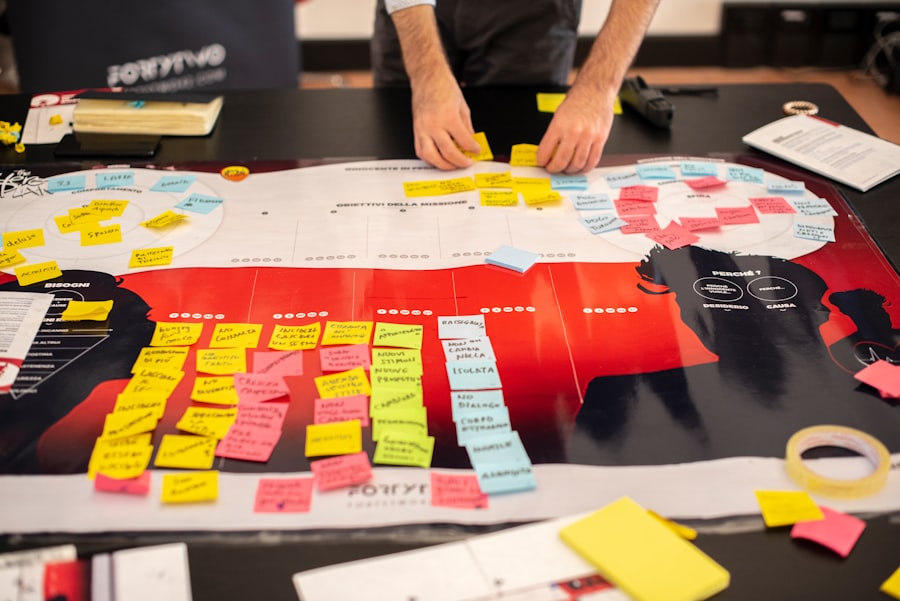
With a clear understanding of the journey stages and where your emails fit, it’s time to translate this into a tangible map. This visual representation will be your blueprint for strategic email marketing.
Visualizing the Journey: Tools and Methods
How you choose to visualize your map can impact its usability and effectiveness.
Spreadsheet-Based Mapping
A simple spreadsheet can be a functional starting point. Create columns for each journey stage and rows for different components like customer actions, thoughts, feelings, and email touchpoints.
Pros and Cons of Spreadsheets
- Pros: Accessible, easy to update, good for data organization.
- Cons: Can become complex and difficult to visualize the overall flow, less engaging.
Digital Whiteboarding Tools
Tools like Miro, Mural, or FigJam offer dynamic and collaborative environments for creating visual journey maps.
Collaborative Creation and Flexibility
These tools allow multiple team members to contribute simultaneously, fostering a shared understanding. Their drag-and-drop interfaces make it easy to rearrange elements and iterate.
Specialized Customer Journey Mapping Software
Several platforms are dedicated to journey mapping, offering pre-built templates and advanced features for data integration and analysis.
Advanced Analytics and Integration Capabilities
These tools often integrate with your CRM and other marketing platforms, providing richer insights and enabling more sophisticated automation.
Defining Your Goals for Each Stage
Every email, and therefore every touchpoint on your map, should have a clear objective aligned with the customer’s stage.
SMART Goals for Email Campaigns
Ensure your goals are Specific, Measurable, Achievable, Relevant, and Time-bound.
Example: Increase Conversion Rate by X% for prospects in the Decision Stage within Q3.
Aligning Email Objectives with Business Goals
Your email journey map shouldn’t exist in a vacuum. It needs to contribute to overarching business objectives like acquiring new customers, increasing customer lifetime value, or reducing churn.
Identifying Key Metrics for Each Touchpoint
To understand if your emails are effective, you need to track relevant metrics at each stage.
Open Rates, Click-Through Rates, and Conversion Rates
These are fundamental metrics for assessing email engagement and performance.
Understanding Engagement Beyond Clicks
Consider metrics like time spent on page after clicking through, scroll depth, form submissions, or demo requests.
Measuring Customer Lifetime Value (CLTV) and Retention
The ultimate success of your journey mapping lies in its impact on long-term customer relationships.
Implementing and Iterating Your Email Campaign Journey
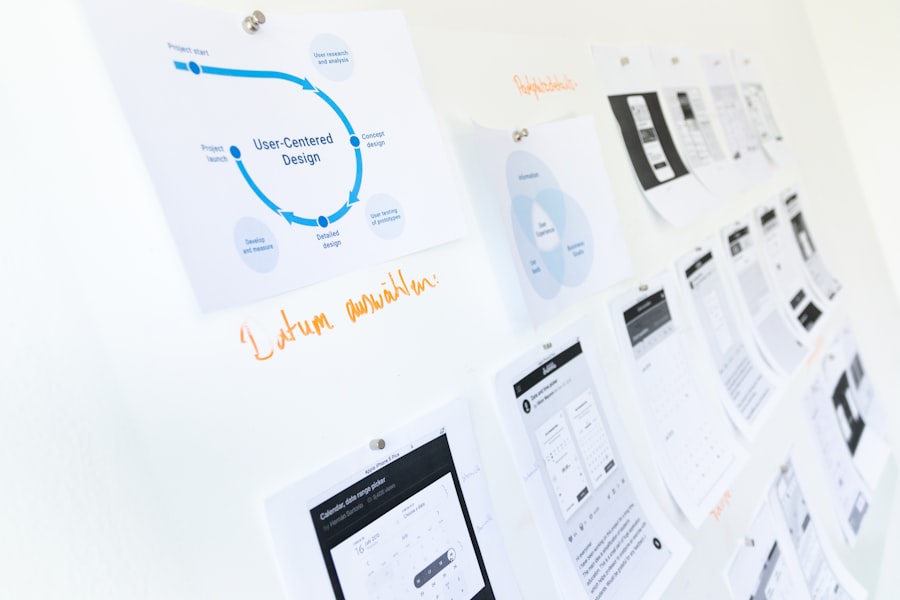
Creating the map is just the beginning. The true power lies in its implementation and ongoing refinement.
Building Your Email Segmentation Strategy
A well-mapped journey is useless without the ability to deliver personalized experiences. Segmentation is key.
Rule-Based Segmentation
Creating segments based on predefined criteria like demographics, purchase history, or engagement level.
Examples: High-value customers, inactive subscribers, recent purchasers.
Behavioral Segmentation
Segmenting based on how users interact with your emails, website, or product.
Examples: Users who clicked on a specific product link, users who haven’t opened emails in 30 days.
Predictive Segmentation
Using data and algorithms to predict future customer behavior and segment accordingly.
Examples: Likelihood to churn, likelihood to purchase a specific product.
Crafting Compelling Email Content for Each Stage
Your content needs to resonate with the customer’s current mindset and needs.
Tailoring Tone and Messaging
The language and style of your emails should adapt to the stage. A welcome email will have a different tone than a promotional offer.
Personalization Beyond First Name
Use dynamic content to tailor subject lines, body copy, and offers based on individual preferences and past interactions.
Designing for User Experience (UX) in Emails
Just like your website, your emails need to be easy to read and navigate.
Mobile Responsiveness is Non-Negotiable
Ensure your emails look great and function perfectly on all devices.
Clear and Strong Calls to Action (CTAs)
Each email should have a purpose, and your CTA should make it evident.
A/B Testing Your CTAs
Experiment with different wording, button colors, and placements to optimize click-through rates.
Automating Your Email Workflows
Leverage automation to deliver the right message at the right time, without manual intervention.
Triggered Emails Based on User Actions
Set up automated sequences that fire in response to specific customer behaviors.
Examples: Welcome series, abandoned cart reminders, post-purchase follow-ups.
Drip Campaigns for Nurturing Leads
Develop a series of emails that are sent out over a period of time, gradually nurturing leads through stages.
Progressive Information Delivery
Each email in the drip should build upon the last, providing more specific information and guiding the subscriber closer to a decision.
Measuring, Analyzing, and Optimizing
This is where the “map” becomes a living document. Regularly review your performance and make adjustments.
Regular Performance Reviews and Reporting
Establish a schedule for reviewing key email marketing metrics.
Identifying Trends and Patterns in Data
Look for what’s working and what’s not. Are certain segments performing better than others?
Gathering Customer Feedback Directly
Don’t just rely on analytics; actively seek feedback from your audience.
Surveys, NPS scores, and direct replies to emails.
Iterating and Refining Your Journey Map
Your customer’s journey is not static, and neither should your map be.
Updating the map based on new data, market changes, and evolving customer behavior.
By embracing the customer journey and meticulously mapping your email campaigns within it, you’re not just sending emails; you’re orchestrating a symphony of communication that guides, delights, and converts your audience. This strategic approach transforms your email marketing from a functional necessity into a powerful engine for customer relationship building and business growth.
FAQs
What is customer journey mapping for email campaigns?
Customer journey mapping for email campaigns is the process of visually representing the various touchpoints and interactions a customer has with a brand through email. It helps marketers understand the customer’s experience and behavior, allowing them to create more targeted and personalized email campaigns.
Why is customer journey mapping important for email campaigns?
Customer journey mapping is important for email campaigns because it helps marketers gain insights into the customer’s preferences, pain points, and behavior. This understanding allows for the creation of more relevant and effective email campaigns that can drive engagement and conversions.
What are the key components of customer journey mapping for email campaigns?
The key components of customer journey mapping for email campaigns include identifying customer touchpoints, mapping out the customer’s interactions with the brand through email, analyzing customer behavior and preferences, and using this information to create targeted and personalized email campaigns.
How can customer journey mapping improve email campaign effectiveness?
Customer journey mapping can improve email campaign effectiveness by allowing marketers to create more targeted and personalized email content that resonates with the customer’s needs and preferences. This can lead to higher engagement, increased open and click-through rates, and ultimately, higher conversions.
What are some best practices for customer journey mapping in email campaigns?
Some best practices for customer journey mapping in email campaigns include gathering and analyzing customer data, creating detailed customer personas, mapping out the customer’s journey across various touchpoints, testing and optimizing email content based on customer insights, and continuously refining the customer journey map based on new data and feedback.