


You’re standing on the cusp of 2026, and the digital marketplace is a vibrant, ever-evolving ecosystem. While social media churns and search algorithms shift, one consistent powerhouse remains: email marketing. You might be thinking, “Email? In 2026?” Absolutely. As a savvy marketer, you understand that done right, email isn’t just a communication tool; it’s a direct line to customer loyalty, engagement, and most importantly, sales. This year, you’re not just sending emails; you’re crafting experiences, building relationships, and driving revenue. Here’s how you, as a forward-thinking marketer, can maximize your sales with top email marketing strategies for 2026.
You know that generic blasts just don’t cut it anymore. In 2026, personalization is king, and you’re not just playing the name game. You’re diving deep into the data to understand your audience on a granular level, tailoring every touchpoint to resonate with their individual needs and desires. This means moving beyond basic segmentation and into true one-to-one communication, even at scale.
Leveraging Advanced Segmentation and Dynamic Content
You’re not content with broad strokes. Instead, you’re employing sophisticated segmentation strategies that go far beyond purchase history. You’re analyzing browsing behavior, engagement patterns with previous emails, stated preferences, and even demographic data to create highly specific audience segments.
Behavioral Segmentation is Your New Best Friend
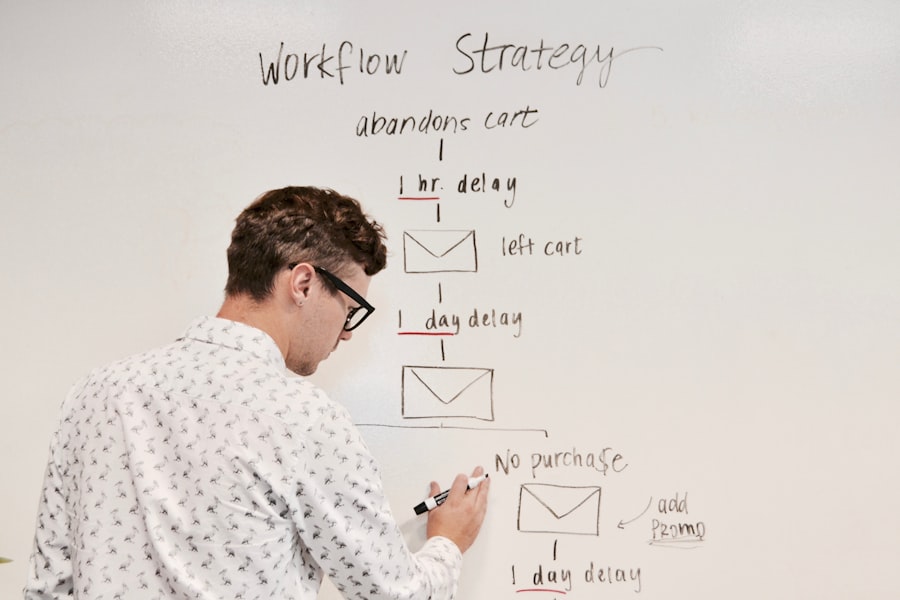
Think about it: a customer who just abandoned their cart about a high-end product requires a different message than someone who regularly browses your clearance section. You’re meticulously tracking user journeys on your website. Did they spend a lot of time on a specific product page? Did they view multiple items in a particular category? Did they engage with a recent blog post related to your offerings? This behavioral data fuels your ability to trigger automated emails that feel incredibly relevant.
Cart Abandonment and Browse Abandonment Emails: Refined and Reimagined
Your cart abandonment emails are no longer just a gentle nudge. You’re adding elements like personalized product recommendations based on what they left behind, social proof (e.g., “Customers who bought this also loved…”) and even a limited-time scarcity offer if appropriate. For browse abandonment, you’re not just reminding them of what they looked at; you’re suggesting related items, offering style guides, or highlighting new arrivals in their areas of interest.
Predictive Analytics for Proactive Engagement
The future is now. You’re utilizing predictive analytics to anticipate your subscribers’ needs before they even realize them. This involves machine learning algorithms that analyze past behavior and identify patterns that suggest future purchasing intent.
Identifying Potential Upsell and Cross-sell Opportunities
Based on purchase history and browsing patterns, you’re identifying customers who are most likely to be receptive to an upsell (a more premium version of a product they’ve shown interest in) or a cross-sell (a complementary product). Your emails for these opportunities are carefully crafted to highlight the added value and seamless integration of the suggested items.
Anticipating Replenishment Needs
For products with a natural lifecycle, like consumables or subscription items, you’re using predictive analytics to send timely reminders for reorder. This ensures you’re top-of-mind when they need to replenish, preventing them from looking elsewhere.
Dynamic Content Blocks: The Chameleon of Your Emails
You understand that a single email template can serve multiple purposes due to the magic of dynamic content. Within your emails, you’re using placeholders that automatically populate with information specific to the recipient.
Tailoring Product Recommendations with Precision
This is where dynamic content truly shines. Instead of recommending random popular items, you’re pulling in product suggestions that are directly aligned with the recipient’s recent activity, past purchases, or stated preferences.
Implementing Recommendation Engines
You’ve integrated robust recommendation engines that power your dynamic content. These engines consider various factors, including collaborative filtering (what similar users liked), content-based filtering (products similar to what the user liked), and even trending items within specific segments.
Presenting Related Content and Resources
Beyond just products, you’re using dynamic content to serve up relevant blog posts, guides, or videos that align with the subscriber’s interests. This positions you as a valuable resource, not just a seller.
To enhance your email marketing efforts in 2026, it’s essential to explore innovative strategies that resonate with your audience. A related article that delves into effective techniques is “Smarter Marketing: Stop Shouting with List Segmentation,” which discusses the importance of tailoring your messages to specific segments of your audience for better engagement and conversion rates. You can read more about these insights by visiting the article here: Smarter Marketing: Stop Shouting with List Segmentation.
Interactive and Engaging Email Experiences
You’re not sending static blocks of text and images. You’re creating emails that invite action, spark curiosity, and feel more like a mini-website than a traditional newsletter. In 2026, your emails aren’t just read; they’re experienced.
Incorporating Interactive Elements
Gone are the days of simply clicking a link. You’re embedding interactive elements directly into your emails to boost engagement and gather valuable data.
GIF Animations for Visual Appeal and Storytelling
You’re using short, impactful GIF animations to capture attention, showcase product features, or tell a quick story. These animations add a dynamic layer without the loading times or compatibility issues of complex video.
Animated Product Previews and Demos
Imagine showcasing different angles of a product or a quick, animated demonstration of its functionality directly within the email. This is a powerful way to convey information and pique interest.
Countdown Timers for Urgency
For limited-time offers or flash sales, dynamic countdown timers create a sense of urgency and encourage immediate action. Seeing the clock tick down is a powerful psychological trigger.
Polls, Quizzes, and Surveys for Audience Insights
You’re using embedded polls, quizzes, and mini-surveys to make your emails a two-way conversation. This not only increases engagement but also provides invaluable insights into customer preferences and opinions.
Micro-Surveys for Instant Feedback
Short, targeted questions can yield quick feedback on product satisfaction, content preferences, or even potential new product ideas. The results can be instantly displayed to the recipient, enhancing the interactive feel.
Interactive Product Selectors or Configurators
For more complex products, you might embed simplified versions of configurators or selectors that allow users to make choices directly within the email, leading them to a pre-filtered product page.
Gamification for Enhanced Engagement and Loyalty
You’re tapping into the human desire for play and competition to drive engagement and foster loyalty. Gamified elements in your emails can make the experience fun and rewarding.
Interactive Games and Challenges
Think of simple scratch-off games, spin-the-wheel promotions, or trivia challenges embedded within your emails. These can offer discounts, exclusive content, or entries into larger giveaways.
Loyalty Program Integration and Rewards
You’re seamlessly integrating your loyalty program into your email campaigns. This can include displaying a subscriber’s current points balance, offering bonus points for specific actions (like sharing an email), or announcing new reward tiers.
Leaderboards and Social Sharing Features
Encouraging healthy competition by displaying leaderboards for participation in contests or challenges can motivate subscribers to engage more deeply. Adding social sharing buttons further extends your reach.
AI-Powered Optimization and Automation
You’re no longer guessing what works best. You’re leveraging the power of Artificial Intelligence to continuously optimize your email campaigns and automate repetitive tasks, freeing you up to focus on strategy and creativity.
AI-Driven Subject Line and Content Optimization
You understand that the first impression is critical. AI is your secret weapon for crafting subject lines and email copy that grab attention and drive open rates.
A/B Testing on Steroids with AI
While traditional A/B testing is valuable, AI takes it to the next level. You’re using AI algorithms to dynamically test numerous variations of subject lines, calls to action, and even entire email copy to identify the strongest performers for each segment.
Predictive Sending Times for Maximum Reach
AI analyzes individual subscriber behavior to determine the optimal time to send an email to each person, maximizing the chances of it being opened and engaged with. This moves beyond general “best times to send” advice.
Sentiment Analysis for Tone and Resonance
You’re using AI to gauge the emotional tone of your email copy and ensure it aligns with your brand voice and resonates with your target audience. Sentiment analysis can highlight areas where your message might be perceived negatively or neutrally.
Automated Workflow Optimization and Performance Prediction
You’re automating complex workflows and leveraging AI to predict campaign performance, allowing for proactive adjustments.
Intelligent Email Scheduling and Cadence Management
AI helps you manage the frequency and timing of your emails across different segments and campaigns, ensuring you don’t overwhelm subscribers while maintaining consistent engagement.
Predictive Churn and Re-engagement Strategies
AI can identify subscribers who are at risk of churning. You’re using this data to trigger automated re-engagement campaigns with personalized offers or content designed to win them back.
Automated Trigger-Based Campaigns
Beyond simple welcome or abandoned cart emails, you’re setting up sophisticated trigger-based workflows that respond to a wide range of customer actions and inactions, ensuring timely and relevant communication.
Data Privacy and Trust: Building Foundational Relationships
In 2026, you’re not just focused on sales; you’re keenly aware that trust is the bedrock of customer relationships. You’re prioritizing data privacy and being transparent with your subscribers, viewing these as essential components of your sales strategy.
Embracing Transparency and Consent Management
You understand that consent is paramount. You’re not just collecting email addresses; you’re actively seeking explicit consent and making it easy for subscribers to manage their preferences.
Clear Opt-In and Opt-Out Processes
Your opt-in forms are crystal clear about what subscribers are signing up for, and your unsubscribe process is simple and immediate. There are no hidden tricks or hoops to jump through.
Granular Preference Centers
You’re offering subscribers the ability to choose the types of emails they receive, the frequency, and even the content categories that interest them most. This empowers them and reduces unsubscribes.
Secure Data Handling and Compliance
You’re adhering to all relevant data privacy regulations (e.g., GDPR, CCPA) and employing robust security measures to protect your subscribers’ data.
Regular Audits and Security Updates
You’re not letting your guard down. You’re regularly auditing your data security protocols and keeping all systems updated to prevent breaches.
Educating Your Team on Privacy Best Practices
You’re ensuring your entire marketing team is well-versed in data privacy regulations and best practices, fostering a culture of responsibility.
To enhance your email marketing efforts in 2026, exploring innovative strategies is essential. A great resource to consider is an article that discusses the benefits of automated A/B testing, which can significantly improve your campaign’s effectiveness. By implementing these techniques, you can ensure that your emails resonate with your audience and drive higher sales. For more insights on this topic, check out the article on automated A/B testing.
The Evolution of the Inbox: Beyond Standard Emails
| Strategy | Description |
|---|---|
| Personalization | Customizing emails based on customer behavior and preferences. |
| Segmentation | Dividing email list into smaller segments for targeted content. |
| Automation | Using automated workflows for timely and relevant email delivery. |
| Mobile Optimization | Ensuring emails are optimized for mobile devices for better engagement. |
| Interactive Content | Including interactive elements like polls, quizzes, and surveys in emails. |
| A/B Testing | Testing different email elements to optimize for higher conversion rates. |
You recognize that the inbox is no longer just about traditional email formats. You’re exploring emerging technologies and innovative approaches to connect with your audience in new and impactful ways.
Exploring AMP for Email and Interactive Inbox Experiences
You’re leveraging advanced technologies like AMP (Accelerated Mobile Pages) for email to create dynamic and interactive experiences directly within the inbox, blurring the lines between email and web applications.
Real-Time Updates and Dynamic Forms
Imagine updating product stock levels or allowing recipients to fill out forms and submit them without ever leaving their inbox. AMP makes this a reality, enhancing convenience and engagement.
Embedded Calendars and Booking Systems
For service-based businesses, you can embed scheduling tools directly into emails, allowing customers to book appointments or reserve services with unprecedented ease.
SMS and Push Notifications as Complementary Channels
While email remains your core, you’re strategically integrating SMS and push notifications to complement your email strategy, reaching subscribers on different platforms and at different touchpoints.
Triggered SMS for Time-Sensitive Alerts
For critical updates, appointment reminders, or order confirmations, SMS offers immediacy. You’re using it judiciously to ensure it’s a valuable addition, not an annoyance.
Personalized Push Notifications for Mobile App Users
If you have a mobile app, you’re using push notifications to deliver timely and personalized updates, product recommendations, or special offers straight to users’ home screens.
By embracing these strategies, you’re not just sending emails in 2026; you’re orchestrating sophisticated, personalized, and engaging customer journeys that drive significant sales growth. You are a master of the inbox, building lasting relationships and achieving unparalleled results.