



You’re hustling. Your team is pushing out campaigns, nurturing leads, and trying to stand out in an increasingly crowded inbox. But how do you know if your efforts are truly landing? Are your carefully crafted subject lines enticing eyeballs? Are your calls to action converting? In the past, you might have waited days, or even weeks, for a lagging report to tell you what happened. By then, the moment, and the opportunity to course-correct, would have long passed. Today, that’s simply not good enough. You need real-time email analytics, and if you’re not using them, you’re not just falling behind – you’re actively losing ground.
The digital landscape moves at an unprecedented pace. Customer expectations are higher than ever, and their attention spans are shorter. In this environment, delayed data is effectively useless data. You need to know now what’s working and what isn’t, not tomorrow, not next week. Real-time email analytics provide you with an immediate pulse on your campaigns, allowing you to react, adapt, and optimize on the fly. This isn’t about being reactive; it’s about being proactive within a rapidly evolving context.
The Problem with Lagging Data
Imagine you’ve sent out a critical product announcement email to a massive segment of your audience. An hour later, you discover an embarrassing typo in the headline, or worse, a broken link to your product page. With traditional, delayed reporting, you wouldn’t know about this until hours, or even a day, had passed. By then, the damage is done. Your reputation takes a hit, leads are lost, and sales opportunities evaporate. Real-time analytics, however, would flag an abnormally low click-through rate almost immediately, prompting you to investigate and potentially pause or correct the campaign before widespread negative impact.
Gaining a Competitive Edge
Your competitors are likely already leveraging real-time insights, or at the very least, are considering it. If you’re relying on batch reports that update once a day, you’re operating with blind spots. Real-time data allows you to identify trends as they emerge, pinpoint successful strategies, and quickly pivot away from underperforming elements. This agility translates directly into a significant competitive advantage, enabling you to capture attention and convert leads faster than those still sifting through stale spreadsheets.
Empowering Your Team with Instant Feedback
When your team sends out an email, they want to know if it’s hitting the mark. Waiting for a report can be demotivating and can stifle creativity. Real-time feedback provides immediate gratification and actionable insights that fuel continuous improvement. It allows marketers to understand the immediate impact of their creative choices, subject lines, and calls to action, fostering a culture of learning and optimization.
In today’s fast-paced digital landscape, understanding the impact of email communications is crucial for modern teams, making real-time email analytics an essential tool for optimizing engagement and performance. For further insights into enhancing email strategies, you can explore the article on automation techniques in email marketing, which discusses various API tricks that can streamline processes and improve efficiency. Check it out here: Unlocking Automation: 5 API Tricks.
Unlocking Key Performance Indicators (KPIs) in Real-Time
Real-time analytics transform how you interact with your email campaign data. Instead of looking at historical averages, you’re observing live performance, which allows for dynamic adjustments based on actual user behavior.
Open Rates and Click-Through Rates (CTR)
These are arguably the most fundamental KPIs, and seeing them update in real-time is transformative. You can observe the immediate impact of your subject lines and preheaders. Are opens stagnant in the first hour? Perhaps your subject line isn’t compelling enough, or your sending time is off for a particular segment. A low CTR, despite a decent open rate, might indicate issues with your email’s body content, design, or call to action.
Conversion Rates
While conversions often happen further down the funnel, real-time tracking of clicks on calls to action that lead to landing pages or product listings provides an early indicator of success. You can see how many people are moving from the email to the next stage of their journey, giving you immediate insight into the effectiveness of your campaign’s primary goal. If this rate is low, you can quickly analyze the landing page experience or the offer itself.
Unsubscribe and Complaint Rates
These are critical metrics that demand immediate attention. An unexpected spike in unsubscribes or spam complaints in real-time can signal a fundamental problem with your email content, audience targeting, or frequency. Catching these trends early allows you to pause the campaign, investigate the cause, and prevent further damage to your sender reputation and audience goodwill. Waiting for a daily or weekly report on these metrics is a recipe for disaster.
Geographic Performance
For teams with a diverse, international audience, real-time geographic data can be incredibly insightful. You can see which regions are most engaged at any given moment, helping you refine sending times, localize content more effectively, and even identify new market opportunities. Are your emails resonating more in London than in New York after 9 AM EST? This could indicate a need to adjust your targeted send times for different time zones.
Device Usage
In a mobile-first world, knowing how your audience is consuming your emails is vital. Real-time device data tells you instantly whether your emails are being opened predominantly on desktops, tablets, or smartphones. This immediate feedback helps you quickly identify rendering issues on specific devices or operating systems and adjust your design and content strategy to provide an optimal experience for the majority of your audience.
The Power of Immediate A/B Testing and Iteration

One of the most significant advantages of real-time email analytics is the ability to conduct rapid, meaningful A/B testing and iterate on your campaigns with unprecedented speed.
Rapid A/B Test Validation
Instead of waiting for a test to run its full course over days or weeks, real-time data allows you to identify winning variations much faster. You can send an A/B test to a smaller segment of your audience and, within minutes or a few hours, determine which subject line, call to action, or email design is performing better. This means you can quickly roll out the winning variant to the rest of your audience, maximizing impact and minimizing the time spent on underperforming options.
Dynamic Content Optimization
Imagine you’re running a flash sale. With real-time analytics, you can observe the performance of different product highlights or promotional messages within the email. If one product segment is consistently outperforming others in terms of clicks, you can dynamically adjust your content for subsequent sends or retargeting efforts, placing more emphasis on the high-performing items. This level of adaptability ensures your campaigns are always reflecting current audience preferences.
Real-Time Audience Segmentation
As you gather real-time data, you can build ever more refined audience segments. For example, if you see a particular group of subscribers engaging heavily with specific content topics, you can immediately segment them for follow-up emails tailored to those interests. This level of dynamic segmentation allows for hyper-personalization, leading to increased relevance and engagement.
Proactive Issue Detection and Crisis Management
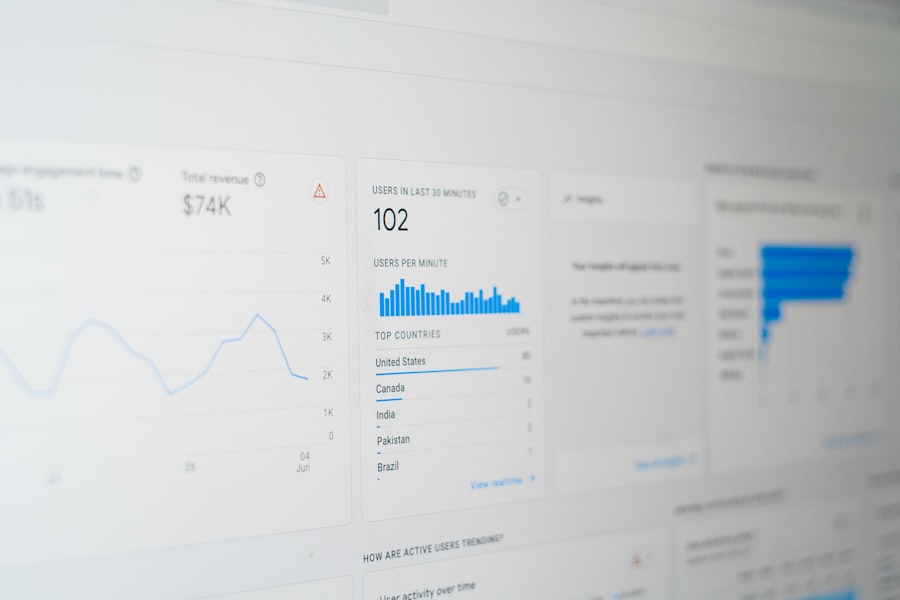
Real-time analytics act as an early warning system, allowing you to catch problems before they escalate into full-blown crises. This proactive approach saves time, resources, and preserves your reputation.
Identifying Deliverability Issues
One of the most critical aspects of real-time tracking is monitoring deliverability. You can immediately see if your emails are encountering abnormally high bounce rates (hard or soft), or if they’re landing in spam folders for a significant portion of your audience. These are red flags that indicate potential issues with your sender reputation, email list hygiene, or even your email service provider. Immediate detection allows you to investigate and rectify the problem before further damage occurs, protecting your precious sender score.
Detecting Broken Links or Images
A broken link can be catastrophic for your campaign’s performance and user experience. With real-time click tracking, an unusually low CTR or a high bounce rate from your landing page can immediately signal a broken link or a problem with the destination URL. Similarly, if your engagement metrics suddenly plummet, you might investigate and discover that an embedded image isn’t loading correctly for a large segment of your users. Catching these issues within minutes allows you to pause the campaign, fix the problem, and resend the corrected version to those who haven’t yet opened it, or to a new segment.
Mitigating Negative Feedback
Sometimes, an email campaign can unintentionally upset a segment of your audience, leading to a surge in negative feedback (unsubscribes, spam complaints, or even direct negative replies). Real-time monitoring of these metrics provides an immediate opportunity to understand the source of the discontent. You can then quickly tailor a follow-up communication to address concerns, apologize if necessary, or adjust future campaign strategies to avoid similar pitfalls. This rapid response can transform a potential PR nightmare into a controlled situation.
Understanding the significance of real-time email analytics is crucial for modern teams aiming to enhance their communication strategies. For those interested in exploring how to create inclusive email campaigns that cater to diverse audiences, a related article discusses the importance of accessibility in email marketing. You can read more about this topic in the article on future-proof email accessibility. By integrating insights from both real-time analytics and accessibility considerations, teams can ensure their emails are not only effective but also reach a broader audience.
Driving Strategic Decisions and Long-Term Growth
| Metrics | Importance |
|---|---|
| Email Open Rate | Helps to understand the effectiveness of email subject lines and timing. |
| Click-Through Rate | Indicates the level of engagement and interest in the email content. |
| Conversion Rate | Shows how many recipients took the desired action after opening the email. |
| Bounce Rate | Identifies issues with email deliverability and list quality. |
| Unsubscribe Rate | Reflects the level of dissatisfaction with the email content or frequency. |
Beyond immediate campaign optimization, real-time email analytics provide a foundation for more effective strategic planning and sustainable growth.
Informing Content Strategy
By observing which types of content, subject lines, and offers generate the most immediate engagement, you gain invaluable insights into your audience’s preferences. This data can inform your broader content strategy, helping you create more resonant blog posts, social media updates, and future email campaigns. You’re not guessing what your audience wants; you’re seeing it in action, live.
Optimizing Sending Times and Frequency
Real-time data eliminates the guesswork from understanding optimal sending times. You can run small tests and observe at which hours and days different segments of your audience are most responsive. This continuous optimization leads to higher engagement rates and better deliverability over time. Similarly, by monitoring unsubscribe rates and engagement, you can fine-tune your email frequency to avoid overwhelming your subscribers while still remaining top-of-mind.
Enhancing Customer Lifetime Value (CLTV)
By constantly optimizing for engagement and conversions in real-time, you’re not just improving individual campaigns; you’re building stronger relationships with your customers. More relevant, timely, and effective communication leads to increased customer satisfaction, loyalty, and ultimately, a higher Customer Lifetime Value. Real-time feedback loops allow you to pivot quickly to meet evolving customer needs and preferences, cementing your position as a valuable resource in their inbox.
In conclusion, the era of “set it and forget it” email marketing is long gone. For modern teams, real-time email analytics aren’t just a fancy feature; they are an indispensable tool for staying competitive, maximizing ROI, and fostering a culture of continuous improvement. By providing immediate feedback on campaign performance, enabling rapid experimentation, facilitating proactive problem-solving, and informing strategic decisions, real-time analytics empower you to move beyond simply sending emails to truly engaging with your audience in the moment. If you’re not already harnessing the power of real-time insights, you’re not just leaving opportunities on the table – you’re allowing them to walk out the door. Embrace the speed, embrace the data, and watch your email marketing efforts flourish.
FAQs
What are real-time email analytics?
Real-time email analytics are data and insights that are collected and analyzed as soon as an email is sent, opened, and interacted with by recipients. This data includes open rates, click-through rates, bounce rates, and other engagement metrics.
Why are real-time email analytics important for modern teams?
Real-time email analytics are important for modern teams because they provide immediate feedback on the performance of email campaigns. This allows teams to make quick adjustments, optimize their strategies, and improve their overall email marketing efforts in real-time.
How do real-time email analytics benefit teams?
Real-time email analytics benefit teams by providing actionable insights that can help improve the effectiveness of their email marketing campaigns. Teams can use this data to understand recipient behavior, identify trends, and make data-driven decisions to enhance their email marketing strategies.
What are some key metrics provided by real-time email analytics?
Some key metrics provided by real-time email analytics include open rates, click-through rates, bounce rates, conversion rates, engagement times, and subscriber growth. These metrics help teams understand how recipients are interacting with their emails and where improvements can be made.
How can teams use real-time email analytics to improve their email marketing efforts?
Teams can use real-time email analytics to test different subject lines, optimize send times, personalize content, segment their audience, and track the performance of specific campaigns. By leveraging real-time email analytics, teams can continuously refine their email marketing strategies for better results.