



The digital landscape is a dynamic entity, its currents and tides constantly shifting. In this ever-evolving environment, email marketing remains a steadfast vessel, capable of delivering your message directly to your audience. However, merely sending emails is akin to casting a net into the ocean without understanding the fish’s movements. To truly harness its power, you must equip yourself with real-time analytics – the compass and sonar that guide your campaign to maximal impact.
Before you can effectively leverage real-time analytics, you must first comprehend the underlying data streams. Imagine your email campaign as a complex ecosystem; analytics are the sensors providing continuous environmental readings. This isn’t about post-mortem analysis, where you dissect a finished campaign to understand its failures. Real-time analytics offer you a living, breathing perspective, allowing you to react and adapt as events unfold.
What Constitutes Real-Time Data?
Real-time data, in the context of email marketing, encompasses information that is generated, processed, and available for analysis with minimal delay. This includes, but is not limited to:
- Open Rates: The percentage of recipients who opened your email. This metric, while seemingly simple, can unveil early indicators of subject line efficacy or sender reputation issues.
- Click-Through Rates (CTR): The percentage of recipients who clicked on a link within your email. This data point is a direct measure of your content’s engagement and call-to-action effectiveness.
- Conversion Rates: The percentage of recipients who completed a desired action after clicking a link, such as making a purchase, filling out a form, or downloading a resource. This is often the ultimate goal metric, revealing the true return on investment (ROI).
- Bounce Rates: The percentage of emails that could not be delivered to the recipient’s inbox. This can be further categorized into soft bounces (temporary delivery issues) and hard bounces (permanent delivery failures), providing insights into list health and potential sender reputation damage.
- Unsubscribe Rates: The percentage of recipients who opted out of your email list. A sudden spike in unsubscribes can flag issues with content relevance, frequency, or sender fatigue.
- Forward-to-a-Friend Rates: A less common but valuable metric indicating the virality and shareability of your content.
- Geographic Data: The location of your recipients, offering insights into regional preferences and optimal sending times.
- Device Usage: The types of devices (desktop, mobile, tablet) recipients are using to interact with your emails, informing design and responsiveness considerations.
The Deluge of Information: Establishing Your North Star
The sheer volume of real-time data can be overwhelming, akin to staring at a vast, star-studded sky. Without a guiding constellation, you risk becoming lost. Therefore, before you delve into the minutiae, you must establish clear objectives for each email campaign. Are you aiming for increased sales, improved brand awareness, greater engagement, or lead generation? Your objectives will dictate which metrics are most critical to monitor in real-time. Without a North Star, the data becomes an undifferentiated mass, rather than actionable intelligence.
Real-time analytics play a crucial role in optimizing email campaigns by providing immediate insights into audience behavior and engagement. For those looking to deepen their understanding of how to leverage these insights effectively, a related article titled “Unlock Audience Insights with Real-Time Reporting: Stop Guessing, Start Knowing” offers valuable strategies and tips. You can read it here: Unlock Audience Insights with Real-Time Reporting. This resource can help marketers refine their approaches and enhance the overall effectiveness of their email marketing efforts.
Proactive Optimization: Steering Your Campaign in Motion
The primary advantage of real-time analytics lies in its ability to facilitate proactive optimization. Instead of waiting for a campaign to conclude, you can make adjustments mid-flight, much like a pilot altering their course to navigate turbulent weather. This agility is a significant differentiator in a competitive digital landscape.
A/B Testing in Real-Time: Dynamic Experimentation
A/B testing is a cornerstone of effective email marketing, allowing you to compare the performance of different variations of your emails. Real-time analytics amplifies this capability by enabling dynamic A/B testing.
- Subject Line Optimization: If you notice a low open rate within the first hour of your send, real-time data might suggest your subject line is failing to resonate. You can then pause the remaining sends to a segment of your audience and deploy an alternative subject line, observing the impact immediately. This allows for rapid iteration and improvement.
- Call-to-Action (CTA) Refinement: Similarly, if your CTR is underwhelming, you might hypothesize that your current CTA is unclear or unappealing. Real-time data empowers you to test different CTA phrasings, button colors, or placement, pinpointing the most effective formulation for immediate implementation.
- Content Personalization: Real-time feedback loops can inform on-the-fly personalization strategies. If a particular content block or product recommendation is generating disproportionately high clicks or conversions in a specific segment, you can dynamically tailor the remaining emails to emphasize similar content for that group.
Segmenting on the Fly: Precision Targeting
Real-time analytics allows for sophisticated segmentation beyond pre-defined demographic or behavioral cohorts. You can segment your audience based on their in-the-moment engagement.
- Non-Openers Retargeting: For recipients who haven’t opened your email after a specific time, you can segment them and send a follow-up with a different subject line, an incentive, or even a completely different message. This is akin to a gentle nudge, offering a second opportunity to engage.
- High-Engagement Nurturing: Conversely, recipients who demonstrate high engagement (multiple opens, clicks on various links) can be immediately segmented for a subsequent, more advanced campaign. This could involve offering exclusive content, a personalized consultation, or an early bird offer, capitalizing on their immediate interest.
- Cart Abandonment Recovery: For e-commerce, real-time analytics combined with CRM data can trigger immediate cart abandonment emails to users who initiated a purchase but did not complete it. The immediacy of this intervention significantly boosts recovery rates.
Preventing Pitfalls: The Early Warning System
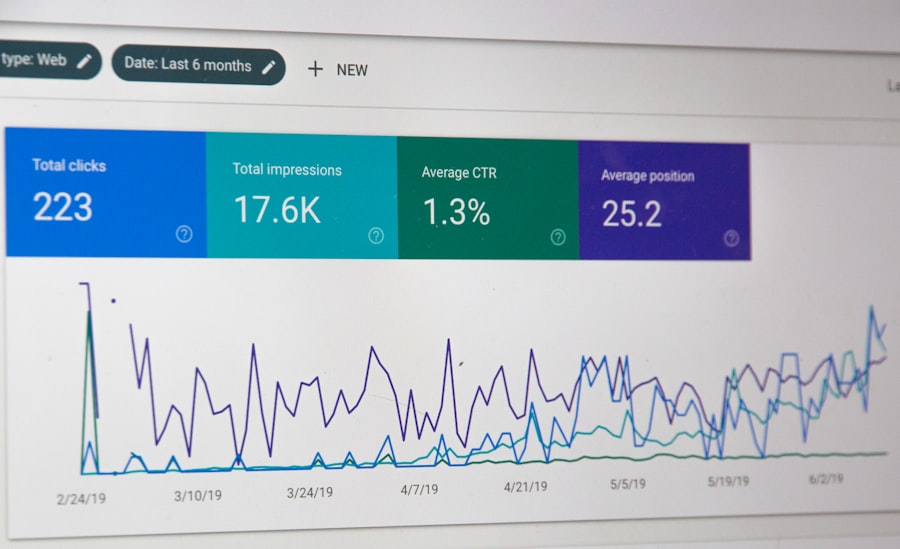
Real-time analytics acts as an early warning system, much like an anemometer on a ship, signaling impending storms. Identifying issues as they emerge can prevent significant damage to your campaign’s performance and, crucially, your sender reputation.
Monitoring Deliverability: Safeguarding Your Sender Score
Deliverability is the bedrock of email marketing. Even the most compelling message is useless if it doesn’t reach the inbox. Real-time analytics provides critical insights into your deliverability performance.
- Spike in Bounce Rates: A sudden surge in hard bounces indicates a problem with your list hygiene or a potential blacklisting issue. Real-time monitoring allows you to pause the campaign, investigate the cause, and rectify it before further damage occurs. Ignoring this would be akin to continuing to sail with a hole in your hull.
- Abnormal Unsubscribe Rates: An unexpected increase in unsubscribes can signal that your content is no longer relevant, your frequency is too high, or your audience segment is mismatched. Timely identification allows you to adjust your sending strategy or re-evaluate your content strategy.
- Spam Trap Detection: While often subtle, real-time data can sometimes hint at interactions with spam traps. Rapidly declining open rates or an unusual spike in complaint rates from specific email providers are red flags, prompting immediate investigation and list cleaning.
Content Performance Signals: Adapting Your Message
The effectiveness of your content is not fixed; it is a fluid entity that interacts with your audience’s current mood and priorities. Real-time analytics provides signals that allow you to adapt your message in response.
- Low Engagement on Specific Sections: If a particular section of your email is consistently showing low click rates, it suggests disinterest. In future sends, you could either remove or revise that section, or apply A/B testing to understand why it’s not resonating.
- Unexpected High Engagement: Conversely, if a particular link or content element sees unexpectedly high engagement, it provides valuable real-time feedback on what your audience finds compelling. This insight can be immediately leveraged for subsequent campaigns, doubling down on what works.
- Time-Sensitive Information Relevance: For campaigns containing time-sensitive information (e.g., flash sales, event reminders), real-time engagement data helps assess urgency and whether recipients are actively responding to the temporal aspect of your offer.
Strategic Refinement: Building for Future Success

Beyond immediate optimization and damage control, real-time analytics provides the granular data necessary for long-term strategic refinement. It helps you understand the ebb and flow of your audience’s preferences, allowing you to build more resilient and effective campaigns over time.
Understanding Audience Behavior: Decoding the Digital Footprint
Every click, every open, every scroll – these are digital breadcrumbs your audience leaves behind. Real-time analytics allows you to follow these trails, painting a comprehensive picture of their behavior.
- Optimal Send Times: By tracking open and click rates across different sending times, you can dynamically adjust your schedule to hit your audience when they are most receptive. This isn’t a static “best time to send” but a dynamic window based on your specific audience’s real-time interaction patterns.
- Content Preferences by Segment: Real-time observation of content engagement across different audience segments reveals nuanced preferences. For instance, younger demographics might engage more with video content, while older segments prefer detailed articles. This allows for hyper-targeted content creation.
- Journey Mapping: By stitching together real-time interaction data across multiple emails and touchpoints, you can construct a “living” customer journey map. This reveals where subscribers get stuck, where they accelerate, and where they convert, informing your entire marketing funnel.
Iterative Campaign Design: The Continuous Improvement Loop
Real-time analytics fosters a culture of continuous improvement. Each campaign becomes a learning opportunity, with insights immediately fed back into the design process for the next iteration.
- Template Optimization: Trends in device usage and engagement can inform the design of your email templates. If mobile opens are consistently dominant, you know to prioritize mobile-first design principles, ensuring responsiveness and readability on smaller screens.
- Frequency and Pacing Adjustments: By monitoring unsubscribe rates and overall engagement over time, you can fine-tune your sending frequency. Are you overloading your audience, or are there opportunities to engage them more often without causing fatigue?
- Attribution Modeling: While complex, real-time analytics can contribute to more accurate attribution modeling, helping you understand which email interactions, at which stage, are truly driving conversions. This moves beyond last-click attribution to a more holistic understanding of your campaign’s impact.
Real-time analytics play a crucial role in optimizing email campaigns, allowing marketers to make data-driven decisions that enhance engagement and conversion rates. For those looking to deepen their understanding of effective email strategies, a related article discusses the importance of evergreen campaigns and how they can help nurture leads on autopilot. You can read more about this insightful approach in the article titled The Ultimate Guide to Evergreen Campaigns. By integrating real-time insights with evergreen strategies, marketers can create a powerful synergy that drives long-term success.
The Technological Underpinnings: Tools of the Trade
| Metric | Description | Typical Range | Importance for Optimization | Real-Time Use Case |
|---|---|---|---|---|
| Open Rate | Percentage of recipients who open the email | 15% – 30% | High – Indicates subject line effectiveness | Adjust subject lines or send times based on early open trends |
| Click-Through Rate (CTR) | Percentage of recipients who click on links within the email | 2% – 10% | High – Measures engagement with content | Modify call-to-action or content placement in subsequent sends |
| Bounce Rate | Percentage of emails not delivered | Less than 2% | Medium – Affects sender reputation | Remove invalid addresses immediately to improve deliverability |
| Unsubscribe Rate | Percentage of recipients opting out | Less than 0.5% | Medium – Indicates content relevance | Pause or adjust campaign if unsubscribe spikes detected |
| Conversion Rate | Percentage of recipients completing desired action | 1% – 5% | High – Ultimate measure of campaign success | Trigger follow-up emails or offers based on real-time conversions |
| Device/Platform Usage | Breakdown of email opens by device or email client | Varies by audience | Medium – Helps optimize design and layout | Adapt email format or resend optimized versions for popular devices |
| Time to Open | Average time between send and open | Minutes to hours | Medium – Helps identify optimal send times | Schedule future sends based on peak open times |
To effectively implement real-time analytics, you require the right technological infrastructure. This isn’t about acquiring every shiny new tool but intelligently integrating capabilities that serve your specific needs.
Integration with ESPs and CRMs: A Unified View
Your Email Service Provider (ESP) is the primary engine of your email campaigns, and most offer some form of analytics. However, for a truly comprehensive real-time view, integration with your Customer Relationship Management (CRM) system is paramount.
- Unified Customer Profiles: Combining email interaction data with CRM data (purchase history, support tickets, website behavior) creates a 360-degree view of your customer. This allows for highly personalized and contextually relevant real-time adjustments.
- Automated Triggered Campaigns: Real-time data from your ESP can trigger automated workflows within your CRM. For example, a customer clicking on a specific product link could automatically update their CRM profile, initiating a targeted follow-up email or assigning them to a sales representative.
- Data Visualization and Dashboards: Modern ESPs and analytics platforms offer sophisticated dashboards that consolidate real-time data into easily digestible visualizations. These dashboards are your command center, allowing you to quickly spot trends and anomalies.
Advanced Analytics Platforms: Beyond the Basics
While your ESP provides foundational metrics, specialized real-time analytics platforms can offer deeper insights and more advanced capabilities.
- Predictive Analytics: These platforms use machine learning algorithms to analyze historical and real-time data to predict future behaviors, such as who is most likely to convert, unsubscribe, or churn. This allows for proactive intervention before problems arise.
- Anomaly Detection: Real-time anomaly detection algorithms can automatically flag unusual patterns in your data – sudden drops in open rates, unexpected surges in specific geographical clicks – alerting you to potential issues that require immediate attention.
- Cross-Channel Attribution: As your marketing efforts expand beyond email, advanced analytics platforms can help attribute conversions across multiple channels, providing a holistic view of your marketing ecosystem and email’s role within it.
In conclusion, relying solely on post-campaign analysis in the age of real-time data is akin to navigating a ship by looking at its wake. You need to be looking at the horizon, sensing the currents, and adjusting your sails as you go. Real-time analytics provides you with the sensory input and the control mechanisms to not just survive but indeed thrive in the dynamic currents of digital marketing. Embrace it, integrate it, and let it guide you to maximizing your email campaign success.
FAQs
What is real-time analytics in the context of email campaigns?
Real-time analytics refers to the immediate collection and analysis of data as an email campaign is being executed. This allows marketers to monitor recipient behavior, such as open rates, click-through rates, and conversions, as they happen, enabling quick adjustments to optimize campaign performance.
How does real-time analytics improve email campaign optimization?
By providing instant feedback on how recipients interact with emails, real-time analytics helps marketers identify what content, subject lines, or sending times are most effective. This enables timely modifications to increase engagement, reduce bounce rates, and improve overall campaign ROI.
What key metrics are tracked using real-time analytics for email campaigns?
Common metrics include open rates, click-through rates, bounce rates, unsubscribe rates, conversion rates, and device or location data. Tracking these metrics in real time helps marketers understand audience behavior and preferences immediately.
Can real-time analytics help in segmenting email audiences?
Yes, real-time data allows marketers to dynamically segment their audience based on behavior such as clicks or opens during a campaign. This segmentation can be used to send targeted follow-up emails or adjust messaging to different groups for better engagement.
What tools are commonly used for real-time analytics in email marketing?
Many email marketing platforms like Mailchimp, HubSpot, and Sendinblue offer built-in real-time analytics dashboards. Additionally, third-party analytics tools and integrations with CRM systems can provide enhanced real-time insights for campaign optimization.