



Trigger-based emails are a powerful tool in the realm of digital marketing, designed to engage customers at pivotal moments in their journey. These emails are automatically sent based on specific actions or behaviors exhibited by users, such as signing up for a newsletter, abandoning a shopping cart, or making a purchase. By understanding the mechanics of trigger-based emails, you can harness their potential to enhance customer engagement and drive conversions.
The beauty of these emails lies in their ability to deliver timely and relevant content, ensuring that your message resonates with the recipient. When you implement trigger-based emails, you create a more personalized experience for your customers. Instead of bombarding them with generic messages, you can tailor your communications to reflect their interests and behaviors.
This not only increases the likelihood of engagement but also fosters a sense of connection between your brand and your audience. As you delve deeper into the world of trigger-based emails, you’ll discover how they can be strategically utilized to nurture leads, retain customers, and ultimately boost your bottom line.
Key Takeaways
- Trigger-based emails are automated messages sent in response to specific customer actions or behaviors.
- Personalization and timely delivery are crucial for maximizing the effectiveness of trigger-based emails.
- Identifying key customer triggers helps tailor email content to individual needs and preferences.
- Continuous testing, analysis, and automation improve campaign performance and efficiency.
- Integrating trigger-based emails with the overall customer journey enhances engagement and drives better ROI.
Identifying Key Customer Triggers
To effectively leverage trigger-based emails, you must first identify the key customer triggers that will prompt your communications. These triggers can vary widely depending on your business model and target audience. Common triggers include actions such as account creation, product views, purchases, and even inactivity over a certain period.
By analyzing customer behavior and interactions with your brand, you can pinpoint the moments that matter most and craft emails that respond to these specific actions. Once you’ve identified these triggers, it’s essential to categorize them based on their significance and potential impact on your marketing goals. For instance, an abandoned cart may represent a high-value opportunity to recover lost sales, while a welcome email for new subscribers can set the tone for future interactions.
By prioritizing these triggers, you can develop a more focused email strategy that addresses the unique needs and preferences of your customers at each stage of their journey.
Personalizing Trigger-Based Emails
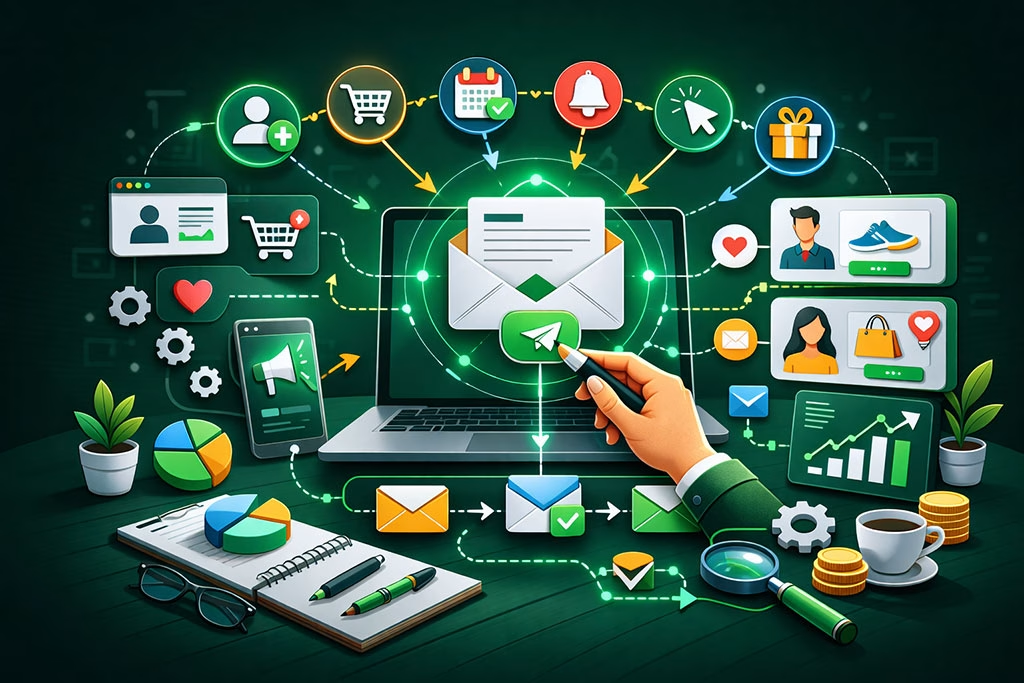
Personalization is at the heart of effective trigger-based email campaigns. When you personalize your emails, you go beyond simply addressing the recipient by name; you tailor the content to reflect their interests, preferences, and behaviors. This level of customization can significantly enhance the effectiveness of your campaigns, as customers are more likely to engage with content that feels relevant to them.
For example, if a customer has shown interest in a particular product category, you can highlight similar items or offer exclusive discounts related to that category in your trigger-based emails. Moreover, personalization extends beyond product recommendations. You can also incorporate dynamic content that changes based on user behavior or demographics.
This could include personalized subject lines, tailored messaging based on past purchases, or even location-based offers. By leveraging data to create highly relevant and personalized experiences, you not only increase open rates but also foster loyalty and trust among your customers.
Timing and Frequency of Trigger-Based Emails
| Welcome Email | Immediately after signup | 1 email | 50-60 | 15-25 | 5-10 |
| Abandoned Cart | Within 1 hour of abandonment | 1-3 emails over 48 hours | 40-50 | 10-20 | 8-12 |
| Post-Purchase Follow-up | 1-3 days after purchase | 1-2 emails | 45-55 | 12-18 | 7-15 |
| Re-engagement | After 30 days of inactivity | 3-5 emails over 2 weeks | 20-30 | 5-10 | 3-7 |
| Birthday/Anniversary | On the day or week of event | 1 email | 35-45 | 8-15 | 4-9 |
The timing and frequency of your trigger-based emails play a crucial role in their effectiveness. Sending an email too soon after a trigger event may overwhelm the recipient, while waiting too long could result in missed opportunities. Striking the right balance is essential for maximizing engagement.
For instance, if a customer abandons their cart, sending a reminder email within a few hours can prompt them to complete their purchase while the items are still fresh in their mind. In addition to timing, consider the frequency of your trigger-based emails. While it’s important to stay top-of-mind with your audience, bombarding them with too many emails can lead to fatigue and unsubscribes.
Establishing a clear cadence for your communications is vital. You might choose to send a series of follow-up emails after a trigger event, gradually decreasing the frequency if the recipient does not engage. By carefully managing timing and frequency, you can create a more effective email strategy that keeps your audience engaged without overwhelming them.
Creating Compelling Content for Trigger-Based Emails
Compelling content is the backbone of any successful trigger-based email campaign. Your emails should not only capture attention but also provide value to the recipient. Start by crafting engaging subject lines that entice recipients to open your emails.
A well-written subject line can significantly impact open rates, so consider using action-oriented language or posing questions that resonate with your audience’s needs. Once you’ve captured their attention, focus on delivering content that is relevant and actionable. This could include product recommendations based on past purchases, exclusive offers for loyal customers, or informative resources that address common pain points.
Incorporating visuals such as images or videos can also enhance engagement and make your emails more visually appealing. Ultimately, the goal is to create content that not only drives action but also reinforces your brand’s value proposition.
Testing and Analyzing Trigger-Based Email Campaigns
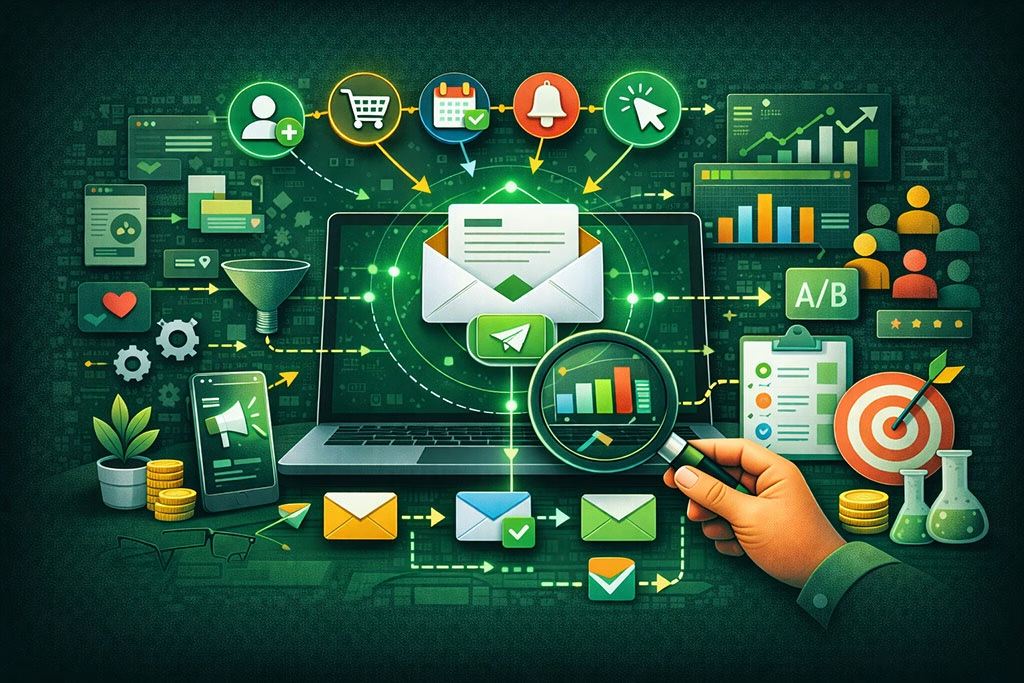
To ensure the success of your trigger-based email campaigns, it’s essential to implement a robust testing and analysis strategy. A/B testing is a valuable method for evaluating different elements of your emails, such as subject lines, content layout, or call-to-action buttons. By comparing the performance of different variations, you can gain insights into what resonates best with your audience and optimize future campaigns accordingly.
In addition to A/B testing, analyzing key performance metrics is crucial for understanding the effectiveness of your campaigns. Metrics such as open rates, click-through rates, conversion rates, and unsubscribe rates provide valuable insights into how well your emails are performing. By regularly reviewing these metrics and making data-driven adjustments to your strategy, you can continuously improve the effectiveness of your trigger-based email campaigns.
Automating Trigger-Based Email Campaigns
Automation is a game-changer when it comes to managing trigger-based email campaigns efficiently. By utilizing marketing automation tools, you can set up workflows that automatically send emails based on specific triggers without manual intervention. This not only saves time but also ensures that your communications are timely and relevant.
When automating your campaigns, it’s important to map out the customer journey and identify key touchpoints where trigger-based emails will be most effective. For example, you might set up an automated welcome series for new subscribers or create a sequence of follow-up emails for customers who have abandoned their carts. By leveraging automation effectively, you can maintain consistent communication with your audience while freeing up resources for other marketing initiatives.
Integrating Trigger-Based Emails with Customer Journey
Integrating trigger-based emails into the broader customer journey is essential for creating a cohesive experience for your audience. Each interaction with your brand should feel seamless and connected, reinforcing the relationship you have with your customers. To achieve this integration, consider mapping out the various stages of the customer journey and identifying where trigger-based emails can add value.
For instance, during the awareness stage, you might send educational content or product recommendations based on user behavior on your website. As customers move through the consideration stage, targeted emails highlighting testimonials or case studies can help build trust and encourage conversions. By aligning your trigger-based emails with the customer journey, you ensure that each communication serves a purpose and contributes to building long-term relationships with your audience.
Leveraging Customer Data for Trigger-Based Emails
Customer data is a goldmine when it comes to crafting effective trigger-based emails. By analyzing data from various sources—such as website interactions, purchase history, and demographic information—you can gain valuable insights into customer preferences and behaviors. This information allows you to create highly targeted email campaigns that resonate with specific segments of your audience.
For example, if you notice that certain customers frequently purchase specific products together, you can create bundled offers or cross-sell opportunities in your trigger-based emails.
Additionally, leveraging data allows you to segment your audience based on factors such as engagement level or purchase frequency, enabling you to tailor your messaging accordingly. By harnessing customer data effectively, you can enhance the relevance and impact of your trigger-based email campaigns.
Measuring Success and ROI of Trigger-Based Email Campaigns
Measuring the success and return on investment (ROI) of your trigger-based email campaigns is crucial for understanding their impact on your business goals. To do this effectively, establish clear objectives for each campaign—whether it’s increasing sales, improving customer retention, or driving website traffic—and track relevant metrics that align with these goals. Calculating ROI involves comparing the revenue generated from your email campaigns against the costs associated with creating and sending those emails.
This includes factors such as design costs, software expenses, and personnel time spent on campaign management.
By regularly assessing ROI and adjusting your strategy based on performance insights, you can ensure that your trigger-based email campaigns continue to deliver value for your business.
Best Practices for Implementing Trigger-Based Emails
Implementing trigger-based emails successfully requires adherence to best practices that enhance their effectiveness. First and foremost, ensure that you’re compliant with regulations such as GDPR or CAN-SPAM by obtaining explicit consent from recipients before sending marketing communications. This builds trust and ensures that you’re reaching an engaged audience.
Additionally, focus on maintaining a clean email list by regularly removing inactive subscribers or those who have opted out of communications. A clean list not only improves deliverability rates but also enhances engagement metrics by ensuring that you’re reaching individuals who genuinely want to hear from you. Finally, continuously iterate on your strategy based on performance data and customer feedback—this commitment to improvement will help you stay ahead in an ever-evolving digital landscape.
In conclusion, mastering trigger-based emails involves understanding their mechanics, identifying key triggers within customer behavior, personalizing content effectively, timing communications appropriately, creating compelling messages, testing strategies rigorously, automating processes efficiently, integrating with customer journeys seamlessly, leveraging data wisely, measuring success accurately, and adhering to best practices consistently. By embracing these principles, you can unlock the full potential of trigger-based email campaigns and drive meaningful results for your business.
In the realm of email marketing, understanding how to effectively engage customers is crucial for retention and loyalty. A related article that delves into effective strategies is “10 Email Marketing Strategies for Sure Success on 2023,” which provides insights that complement the discussion on trigger-based emails. You can read it [here](https://blogs.smartmails.io/2025/11/07/10-email-marketing-strategies-for-sure-success-on-2023/). This resource offers valuable tips that can enhance your email campaigns and foster stronger connections with your audience.
FAQs
What are trigger-based emails?
Trigger-based emails are automated messages sent to customers based on specific actions or behaviors, such as making a purchase, abandoning a cart, or signing up for a newsletter. These emails are designed to engage customers at the right moment to encourage retention and loyalty.
How do trigger-based emails help boost customer retention?
Trigger-based emails help boost customer retention by delivering timely, relevant content that addresses the customer’s needs or interests. This personalized communication increases engagement, encourages repeat purchases, and strengthens the relationship between the brand and the customer.
What types of trigger-based emails are most effective for customer loyalty?
Common effective trigger-based emails for customer loyalty include welcome emails, post-purchase follow-ups, cart abandonment reminders, re-engagement campaigns, and personalized product recommendations. Each type targets a specific stage in the customer journey to maintain interest and satisfaction.
Can trigger-based emails be personalized?
Yes, trigger-based emails can and should be personalized using customer data such as purchase history, browsing behavior, and preferences. Personalization increases the relevance of the message, making customers more likely to respond positively.
How often should trigger-based emails be sent?
The frequency of trigger-based emails depends on the customer’s actions and the type of email. Since these emails are event-driven, they are sent in response to specific triggers rather than on a fixed schedule, ensuring timely and appropriate communication without overwhelming the customer.
Are trigger-based emails suitable for all types of businesses?
Trigger-based emails are suitable for most businesses, especially those with an online presence and customer interaction data. They are particularly effective for e-commerce, subscription services, and any business aiming to improve customer engagement and loyalty.
What metrics should be tracked to measure the success of trigger-based emails?
Key metrics to track include open rates, click-through rates, conversion rates, customer retention rates, and revenue generated from the emails. Monitoring these metrics helps optimize email content and timing for better performance.
Do trigger-based emails require special software or tools?
Yes, implementing trigger-based emails typically requires email marketing automation software or customer relationship management (CRM) systems that can track customer behavior and automatically send emails based on predefined triggers.