



The Immediate Feedback Loop: Your First Steps to Email Mastery
You’ve just started your journey into the world of email marketing. Perhaps you’re launching a new product, building a community, or simply trying to connect with your audience on a more personal level. The initial excitement is palpable, but so is the uncertainty. How do you know if your meticulously crafted emails are actually resonating? Are people even opening them? Are they clicking on your links? This is where real-time email analytics steps in, offering you an immediate, unvarnished look at the impact of your efforts. Think of it as a constant, ongoing conversation with your audience, where every open, click, and unsubscribe is a direct piece of feedback. It’s not just data; it’s a guide, a mentor, showing you what works and what doesn’t, right as it happens. For a beginner, this instant feedback loop is invaluable. It transforms email marketing from a guessing game into a responsive, iterative process. Instead of waiting days or weeks for comprehensive reports, you get insights in minutes, allowing you to adapt, learn, and improve at an unprecedented pace. This section will explore the foundational understanding you gain from these immediate metrics and how they form the bedrock of your success.
Unveiling the “Open Rate” Mystery
Your first email goes out, and within moments, you see the numbers tick up. The most basic, yet profoundly important, metric you’ll encounter is the open rate. This tells you, quite simply, how many people are actually opening your email. For a beginner, this number is a direct reflection of your subject line’s effectiveness and your sender reputation. A low open rate isn’t necessarily a failure; it’s a learning opportunity. It prompts you to ask critical questions: Is your subject line compelling enough? Is it clear? Does it create curiosity without being clickbait? Are your subscribers recognizing your sender name? Real-time analytics illuminates these issues instantly. If you send an email with a vague subject line and see a dismal open rate within the first hour, you know immediately that your next email needs a stronger hook. Conversely, a high open rate confirms you’re on the right track, encouraging you to analyze what made that particular subject line so successful. This immediate feedback allows you to start building a mental library of effective subject line strategies tailored to your specific audience. You’re not just sending emails; you’re conducting real-time experiments, and the open rate is your primary indicator of success for the very first hurdle – getting your email seen.
Deciphering the “Click-Through Rate” Narrative
Beyond getting your emails opened, your ultimate goal is often to drive action. This is where the click-through rate (CTR) becomes your next crucial metric. Real-time analytics shows you not just that people clicked, but often which links they clicked and when. This provides an immediate understanding of how engaging your email content truly is. A high open rate with a low CTR indicates a mismatch: your subject line lured them in, but the content failed to deliver on its promise or wasn’t compelling enough to prompt further action. You might realize, within an hour of sending, that your call to action (CTA) isn’t prominent enough, the link is broken, or the content isn’t relevant to what your audience expected after reading your subject line. This real-time insight empowers you to iterate quickly. You can refine your content strategy, test different CTAs, or even segment your audience more effectively for future sends. Imagine launching a product and seeing a flurry of clicks on your “Buy Now” button immediately after sending. That’s not just data; that’s validation, confirming your product launch messaging is hitting the mark. Conversely, seeing no clicks on a crucial link tells you to immediately re-evaluate your email’s design, wording, or even the underlying offer.
Understanding the Importance of Engagement Over Opens
While open rates are a great initial indicator, a truly engaged audience is defined by more than just opening an email. Real-time analytics begins to teach you that true success lies in engagement. This includes clicks, but also metrics like scroll depth (if your email service provider offers it) and time spent viewing the email. If you see emails being opened but rarely clicked, it’s a red flag. Your audience is curious enough to open, but not compelled enough to act. Real-time data helps you quickly identify these patterns. Are your emails too long? Is the value proposition unclear? Are your images distracting rather than supportive? This immediate feedback allows you to shift your focus from simply “getting opened” to “getting interacted with.” You start to understand that an email isn’t just a broadcast; it’s an opportunity for interaction. By observing which types of content generate the most clicks – whether it’s a blog post, a product link, or a video – you begin to build a clearer picture of what truly resonates with your audience, moving beyond vanity metrics to actionable insights about their interests and preferences.
For beginners looking to enhance their understanding of email marketing, exploring real-time email analytics can be incredibly beneficial. A related article that delves deeper into the intricacies of email deliverability is titled “Unlocking Inbox Placement: Spintax vs. Gmail’s Promotions Tab.” This article offers valuable insights into how different formatting techniques can affect where your emails land in recipients’ inboxes, which is crucial for maximizing engagement. You can read the article here: Unlocking Inbox Placement: Spintax vs. Gmail’s Promotions Tab.
Optimizing Content and Strategy Through Instant Data
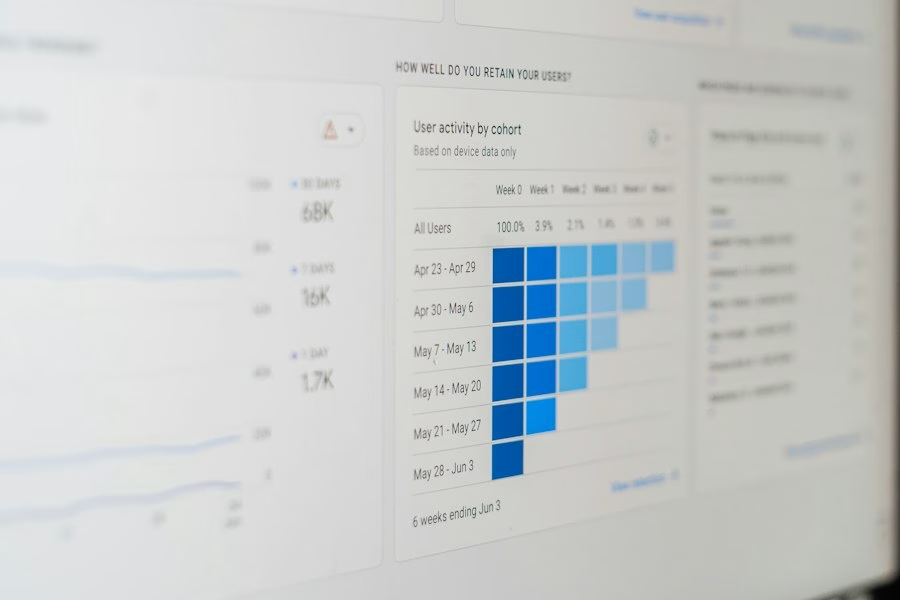
Once you grasp the immediate feedback loop, the next step is to actively use this information to refine your content and overarching email strategy. Real-time analytics isn’t just about reporting; it’s about empowerment. It gives you the ability to make data-driven decisions on the fly, transforming your approach from a series of educated guesses into a continuously improving, highly responsive system. For a beginner, this means a faster learning curve and a quicker path to achieving your marketing goals. You don’t have to wait for weekly or monthly reports to see what’s working; you know almost instantly, allowing you to double down on successful tactics and quickly pivot away from those that fall flat. This proactive approach saves you time, resources, and prevents you from making the same mistakes repeatedly.
Crafting More Effective Subject Lines
The subject line is your email’s first impression, and real-time open rates are its immediate critic. By observing the performance of various subject line styles, you’ll quickly learn what captures your audience’s attention. Did a subject line with an emoji perform better than one without? Did a question elicit more opens than a statement? Was personalization (e.g., using the recipient’s name) a game-changer? For instance, if you send two emails within a short period with different subject line approaches and see a significant disparity in open rates, you have immediate, actionable data. You might notice that urgent language drives more opens for sales, while curiosity-driven subject lines work best for content updates. This continuous, real-time testing allows you to develop a sophisticated understanding of your audience’s psychological triggers. You stop guessing what they might open and start knowing what they do open, building a robust library of high-performing subject line formulas for different campaign types.
A/B Testing in Real Time: Your Secret Weapon
Real-time analytics turbocharges your A/B testing efforts. Instead of running a test over days or weeks, waiting for enough data to accrue, you can get a good initial read on performance within hours. Imagine you have two versions of an email, varying only in their call to action or a key image. You send a small segment of your list each version. Within an hour, you can observe which version is generating more clicks. If one variation is clearly outperforming the other, you can confidently send the winning version to the remainder of your list, maximizing your immediate impact. This dynamic testing and optimization process is invaluable for beginners. It demystifies A/B testing, making it an accessible and practical tool rather than an advanced statistical exercise. You learn to trust the data and make quick, informed decisions that directly impact your campaign’s success, preventing you from sending a less effective version to your entire audience.
Refining Call-to-Actions and Content Structure
The click-through rate, observed in real time, is your direct feedback on your email’s content effectiveness and your call-to-action (CTA) clarity. Are people clicking on your primary CTA? Are they clicking on other links you included? Are there any unexpected clicks on elements you didn’t intend as a CTA? If you notice low CTRs on crucial links, real-time analytics tells you to immediately reconsider your CTA’s placement, wording, or visual prominence. Perhaps your button color blends in too much, or the text is too generic. You might also discover that a particular content block or image consistently generates more clicks than others, even if it wasn’t your primary focus. This insight allows you to immediately prioritize certain types of content or redesign your layout to emphasize what your audience finds most engaging. For example, if you include a video and a blog link, and the video consistently gets 5x more clicks, you know to lean into video content for future emails. This iterative refinement process, driven by instant data, helps you build emails that are not just aesthetically pleasing, but genuinely effective in driving desired actions.
Understanding Your Audience’s Behavior and Preferences
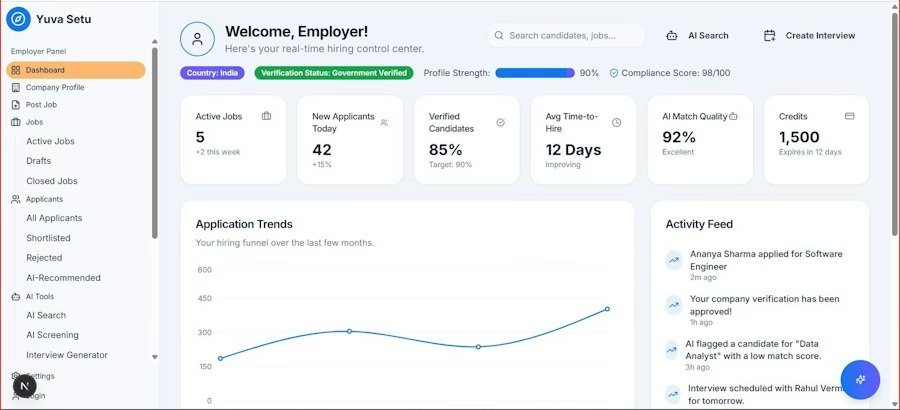
Real-time email analytics isn’t just about optimizing your current campaign; it’s a powerful tool for understanding the underlying motivations and preferences of your audience. For a beginner, this is crucial. It moves you beyond generic assumptions about your target market and provides concrete evidence of what truly resonates with them. Every open, click, and interaction is a vote for certain content, a signal of interest, or an indication of their engagement level. This section will delve into how you can leverage these immediate insights to build a deeper, more nuanced understanding of the people you’re trying to reach.
Identifying Peak Engagement Times
One of the most practical insights you gain from real-time analytics is understanding when your audience is most active. You might assume your audience checks emails first thing in the morning, but real-time data could reveal a surge in opens and clicks during lunch breaks, or even late in the evening. By observing when your emails receive the most immediate attention, you can strategically schedule your future sends. If you consistently see a spike in engagement an hour after your usual send time, that’s a clear signal to adjust your schedule. This isn’t about guessing; it’s about observing your specific audience’s habits. For a beginner, this is a game-changer because it means you’re not just sending emails; you’re sending them at the optimal moment for your audience to receive and interact with them, significantly boosting your chances of success. You’re learning to meet your audience where they are, rather than expecting them to conform to your schedule.
Decoding Content Preferences Through Click Maps
Many advanced real-time analytics tools offer “click maps” or “heatmaps” that visually represent where recipients are clicking within your email. For a beginner, this is like having X-ray vision into your audience’s minds. You can instantly see which images, buttons, or text links are drawing the most attention. Perhaps you thought your headline was the most important element, but the click map reveals people are consistently bypassing it to click on a smaller image further down. This immediate visual feedback helps you understand not just if people are clicking, but what they are most interested in. Are they clicking on product images, blog post summaries, video thumbnails, or customer testimonials? This knowledge allows you to tailor your future content strategy to align perfectly with what your audience demonstrably values. It helps you prioritize content types and design elements that maximize engagement, rather than relying on guesswork.
Spotting Segment-Specific Interests
As you grow your list, you’ll likely start segmenting your audience based on interests, purchase history, or demographics. Real-time analytics becomes incredibly powerful here, allowing you to instantly compare engagement metrics across different segments. Did your segment interested in “fashion” respond differently to an email than your segment interested in “home decor”? Did one segment open a promotional email much faster than another? This immediate comparison allows you to quickly validate your segmentation strategy or reveal areas where your assumptions might be incorrect. For example, if you send an email about a new product and see a strong immediate response from your “early adopter” segment but a much slower response from your “price-sensitive” segment, you gain immediate insight into their distinct purchasing behaviors and can adjust your follow-up communication accordingly. This level of immediate, segment-specific insight helps you personalize your approach, making your emails more relevant and effective for each group.
Preventing Pitfalls and Building Trust
Email marketing isn’t just about sending messages; it’s about building and maintaining a trusted relationship with your subscribers. For a beginner, understanding how to avoid common pitfalls that can damage this trust is paramount. Real-time analytics provides critical early warnings, allowing you to identify and rectify issues before they escalate into widespread problems. It’s your early detection system, protecting your sender reputation and ensuring your emails continue to land in inboxes rather than spam folders. This proactive problem-solving, guided by immediate data, is fundamental to long-term success in email marketing.
Rapidly Identifying Deliverability Issues
One of the most disheartening experiences for an email marketer is sending out a carefully crafted email only to find it never reached its intended recipients. Real-time analytics can be your first line of defense against deliverability issues. If you notice an unusually low open rate immediately after sending, or if your bounce rate is significantly higher than usual, this is a strong indicator of a potential deliverability problem. It could be an issue with your email service provider, a sudden block by an ISP, or even a problem with your email content triggering spam filters. The ability to see these red flags instantly allows you to investigate and address the issue much faster than if you were waiting for a daily or weekly report. Catching these problems early can prevent thousands of your emails from going undelivered, safeguarding your sender reputation and ensuring your messages actually reach your audience.
Understanding and Reacting to Unsubscribes
While no one likes to see unsubscribes, they are an unavoidable part of email marketing. Real-time analytics doesn’t just show you the raw number; it often allows you to see when and potentially from which email people are unsubscribing. If you send an email and see a sudden spike in unsubscribes within minutes, that’s a clear signal. It forces you to scrutinize that particular email: Was the content off-brand? Was it too promotional? Did it fail to meet expectations set by the subject line? For a beginner, this immediate feedback is crucial for learning what not to do. It helps you identify content that alienates your audience, allowing you to adjust your strategy for future sends and prevent further churn. Rather than viewing unsubscribes as failures, real-time data transforms them into immediate learning opportunities that help you refine your communication and cater more effectively to those who do want to stay subscribed.
Monitoring Spam Complaints in Real-Time
Spam complaints are the ultimate enemy of deliverability and sender reputation. Even a small number can have significant long-term negative impacts. Many real-time analytics platforms will provide immediate notifications or show a rising trend if your email starts generating spam complaints. This is an urgent red flag. If you see this happening, you can immediately pause your send, investigate the cause (e.g., problematic content, an acquired list, an issue with segmentation), and take corrective action. For a beginner, this real-time warning system is invaluable. It protects you from inadvertently damaging your sender score, which could lead to all your future emails landing in spam folders. It teaches you the profound importance of sending relevant, permission-based content and helps you quickly identify if something in your email has been perceived as spam by your audience or an ISP.
Understanding real-time email analytics can significantly enhance your marketing strategies, especially for beginners looking to make data-driven decisions. For those interested in diving deeper into optimizing their email campaigns, a related article offers valuable insights on the importance of split testing. You can explore this further in the article titled Stop Guessing, Start Winning: A Data-Driven Guide to Email Split Testing, which provides practical tips on how to effectively test different elements of your emails to achieve better results.
Cultivating a Data-Driven Mindset for Long-Term Success
| Metric | Description | What Beginners Can Learn | Example Insight |
|---|---|---|---|
| Open Rate | Percentage of recipients who open the email | Understand subject line effectiveness and timing | Emails sent at 9 AM have a 25% higher open rate |
| Click-Through Rate (CTR) | Percentage of recipients who click on links within the email | Gauge content relevance and call-to-action strength | Including a clear CTA button increases CTR by 15% |
| Bounce Rate | Percentage of emails not delivered to recipients | Identify and clean invalid or outdated email addresses | High bounce rate indicates need for list maintenance |
| Unsubscribe Rate | Percentage of recipients who opt out from future emails | Learn about content fatigue or irrelevant messaging | Frequent emails may increase unsubscribe rate |
| Conversion Rate | Percentage of recipients completing a desired action | Measure overall campaign success and ROI | Personalized emails yield 10% higher conversion |
| Real-Time Engagement | Live tracking of opens and clicks as they happen | Adjust campaigns quickly based on immediate feedback | Spike in clicks after sending follow-up email |
Real-time email analytics is more than just a tool; it’s an educational platform that fosters a data-driven mindset from day one. For a beginner, this perspective is crucial for evolving beyond basic email sending into a strategic email marketer. It teaches you to view every email as an experiment, every metric as a piece of feedback, and every campaign as an opportunity for continuous improvement. This section will explore how embracing real-time data fundamentally alters your approach to email marketing, setting you up for sustained growth and success.
From Guesswork to Informed Decisions
Before real-time analytics, beginners often rely on intuition or best practices gleaned from others. While these can be helpful starting points, they are no substitute for direct feedback from your unique audience. Real-time data quickly shifts your approach from guesswork to informed decision-making. When you can see the immediate impact of a subject line, a call to action, or even the time of day you send, you learn to trust the numbers. This builds confidence and empowers you to make bold, data-backed choices rather than playing it safe with generic strategies. You stop asking “What do people generally prefer?” and start asking “What does my audience prefer, based on immediate evidence?” This shift is profound, allowing you to tailor your strategy with precision.
The Power of Continuous Iteration
The core lesson real-time analytics imparts to beginners is the power of continuous iteration. Email marketing is not a “set it and forget it” activity. It’s an ongoing process of sending, observing, learning, and refining. Real-time data facilitates this cycle at an accelerated pace. You send an email, get immediate feedback, make adjustments for the next send, and repeat. This iterative approach allows you to quickly adapt to changing audience preferences, market trends, or even seasonal shifts. You learn that a “perfect” email doesn’t exist; instead, there’s an ongoing pursuit of better, more effective communication. This mindset of constant improvement, driven by immediate data points, is a hallmark of successful email marketers.
Building a Repository of Audience Insights
Every email you send, and every real-time metric you observe, contributes to a growing repository of insights about your audience. As a beginner, this cumulative knowledge is invaluable. You start to understand their content preferences, their peak engagement times, the types of subject lines they respond to, and the kind of offers that motivate them to click. This isn’t just about individual campaigns; it’s about building a holistic understanding of your subscriber base. Over time, you’ll be able to predict with greater accuracy which strategies will resonate, leading to more targeted, personalized, and effective email campaigns. This gradual accumulation of data-driven insights transforms you from a novice sender into a knowledgeable communicator, capable of crafting emails that consistently deliver value and drive results.
Scaling Success with Confidence
Ultimately, real-time email analytics teaches beginners how to scale their success with confidence. When you know what works, why it works, and how your audience responds in real time, you can expand your email marketing efforts without fear. You can launch new campaigns, test new segments, and experiment with different content formats, all while having an immediate feedback mechanism to guide your decisions. This ability to experiment and learn quickly minimizes risk and maximizes your potential for growth. You’re not just sending emails; you’re building a scalable, responsive, and highly effective communication channel, one data point at a time. The initial investment in understanding and utilizing real-time data pays dividends by laying a robust foundation for long-term email marketing mastery.
FAQs
What is real-time email analytics?
Real-time email analytics is the process of tracking and analyzing email campaign performance as it happens. It provides immediate insights into how recipients are engaging with your emails, such as open rates, click-through rates, and conversions, allowing you to make data-driven decisions in real time.
How can real-time email analytics benefit beginners in email marketing?
Real-time email analytics can benefit beginners in email marketing by providing instant feedback on the effectiveness of their email campaigns. Beginners can use this data to quickly identify what is working well and what needs improvement, helping them optimize their strategies for better results.
What key metrics can beginners track using real-time email analytics?
Beginners can track key metrics such as open rates, click-through rates, bounce rates, conversion rates, and unsubscribe rates using real-time email analytics. These metrics can help beginners understand how their audience is responding to their emails and where they can make adjustments to improve performance.
How can beginners use real-time email analytics to improve engagement?
Beginners can use real-time email analytics to improve engagement by testing different subject lines, email content, and send times to see what resonates best with their audience. By analyzing real-time data, beginners can make informed decisions to optimize their emails for higher engagement rates.
What are some common mistakes beginners should avoid when using real-time email analytics?
Some common mistakes beginners should avoid when using real-time email analytics include not setting clear goals for their campaigns, neglecting to segment their email lists, and failing to regularly monitor and analyze their data. Beginners should also be cautious of making changes based on short-term fluctuations in data without considering the bigger picture.