



Webhooks are HTTP callbacks that enable real-time communication between applications through event-driven data transmission. When a specified event occurs in a source application, the webhook automatically sends an HTTP POST request containing relevant data to a predetermined URL endpoint in the receiving application. This mechanism eliminates the need for continuous polling, where applications repeatedly check for updates, thereby reducing server load and improving system efficiency.
The webhook process operates through a simple request-response cycle. The source application monitors for predefined events and, upon detection, formats the associated data into a structured payload (typically JSON or XML). This payload is then transmitted via HTTP POST to the webhook URL configured by the receiving application.
The receiving application processes the incoming data and can execute programmed responses or updates based on the information received. A practical implementation example involves integrating an e-commerce platform with a customer relationship management (CRM) system. When a transaction is completed on the e-commerce site, the platform’s webhook sends transaction data—including customer details, purchase amount, and product information—directly to the CRM’s webhook endpoint.
The CRM system receives this data instantaneously and can automatically update customer records, trigger email notifications, or initiate other business processes. This integration ensures data consistency across platforms and enables immediate response to customer actions without manual data entry or delayed batch processing.
Key Takeaways
- Webhooks enable real-time data transfer, enhancing marketing responsiveness and accuracy.
- They automate marketing tasks, saving time and reducing manual errors.
- Webhooks facilitate personalized campaigns by instantly updating customer data.
- Integration with third-party tools via webhooks streamlines marketing workflows.
- Overcoming implementation challenges and following best practices maximizes webhook effectiveness in marketing.
The Benefits of Using Webhooks in Marketing
In the fast-paced world of marketing, speed and accuracy are paramount. One of the primary benefits of using webhooks is their ability to facilitate real-time data transfer between applications. This immediacy allows marketers to respond quickly to customer actions, enhancing engagement and improving conversion rates.
For instance, if a potential customer abandons their shopping cart, a webhook can trigger an automated email reminder, encouraging them to complete their purchase. This level of responsiveness can significantly impact your marketing effectiveness. Moreover, webhooks reduce the need for manual data entry and the associated errors that come with it.
By automating data transfer between systems, you can free up valuable time and resources that can be better spent on strategic initiatives. This not only streamlines your marketing processes but also ensures that your data is accurate and up-to-date.
As a result, you can make more informed decisions based on reliable information, ultimately leading to better marketing outcomes.
How Webhooks Improve Efficiency and Accuracy in Data Collection
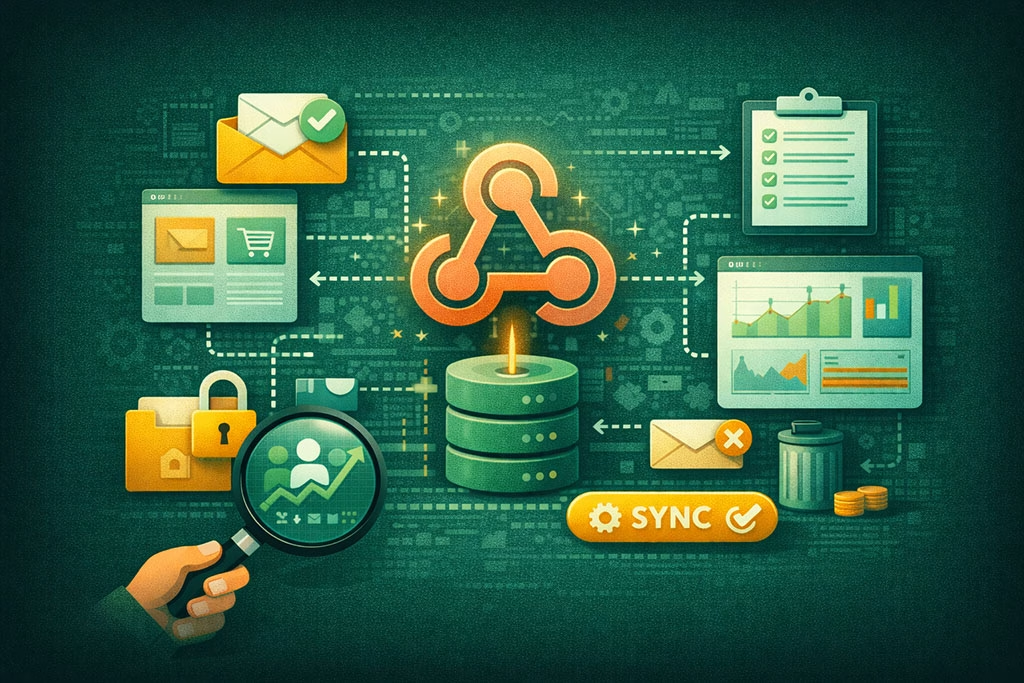
Efficiency in data collection is crucial for any marketing strategy, and webhooks play a vital role in achieving this goal. By automating the transfer of data between different platforms, you eliminate the need for manual input, which can be time-consuming and prone to errors. For example, if you are running multiple campaigns across various channels, webhooks can automatically collect and consolidate data from each source into a single dashboard.
This not only saves time but also provides you with a comprehensive view of your marketing performance. In addition to improving efficiency, webhooks enhance the accuracy of your data collection efforts. When data is transferred automatically through webhooks, there is less room for human error.
You can trust that the information being collected is precise and reflects real-time activities. This accuracy is essential for making data-driven decisions in your marketing campaigns. With reliable data at your fingertips, you can analyze trends, measure campaign effectiveness, and adjust your strategies accordingly.
Real-Time Marketing: Leveraging Webhooks for Instant Updates
Real-time marketing has become increasingly important in today’s digital landscape, where consumers expect immediate responses and personalized experiences. Webhooks enable you to leverage real-time data updates effectively. For instance, if a user interacts with your website or mobile app, a webhook can instantly notify your marketing automation platform to trigger specific actions based on that interaction.
This could include sending personalized offers or updating user preferences in real-time. The ability to act on real-time data not only enhances customer satisfaction but also increases the likelihood of conversions. When customers receive timely and relevant communications based on their actions, they are more likely to engage with your brand.
By utilizing webhooks for instant updates, you can create a dynamic marketing environment that adapts to customer behavior, ultimately driving better results for your campaigns.
The Role of Webhooks in Personalized Marketing Campaigns
| Data Latency | Minutes to hours delay | Real-time (seconds) | Enables timely campaign adjustments |
| Server Load | High (frequent requests) | Low (event-driven) | Reduces infrastructure costs |
| Data Accuracy | Potentially outdated data | Immediate and accurate data | Improves targeting precision |
| Scalability | Limited by polling frequency | Highly scalable | Supports growing marketing needs |
| Integration Complexity | Moderate | Simple and standardized | Faster deployment of marketing tools |
Personalization is key to successful marketing campaigns, and webhooks play an essential role in enabling this level of customization. By integrating webhooks into your marketing strategy, you can gather valuable insights about customer behavior and preferences in real-time. For example, when a user signs up for your newsletter or makes a purchase, a webhook can capture that information and send it to your marketing platform.
This allows you to tailor your messaging and offers based on individual customer profiles. Furthermore, webhooks facilitate the creation of dynamic content that resonates with your audience. By leveraging real-time data from various sources, you can adjust your marketing messages on-the-fly to reflect current trends or customer interests.
This level of personalization not only enhances the customer experience but also fosters brand loyalty. When customers feel understood and valued through personalized interactions, they are more likely to engage with your brand repeatedly.
How Webhooks Help in Automating Marketing Tasks
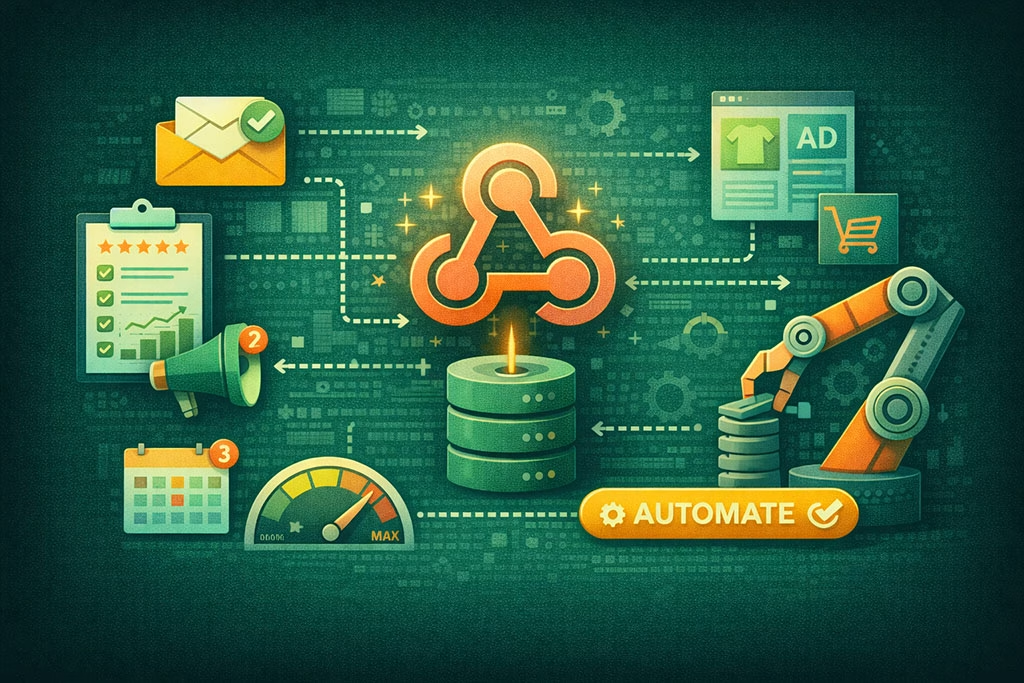
Automation is a game-changer in modern marketing, and webhooks are at the forefront of this transformation. By automating repetitive tasks through webhooks, you can streamline your marketing processes and focus on more strategic initiatives. For instance, when a lead fills out a form on your website, a webhook can automatically add that lead to your email marketing list without any manual intervention.
This not only saves time but also ensures that no potential leads fall through the cracks. Additionally, webhooks enable you to create complex workflows that respond to various triggers across different platforms. For example, if a customer makes a purchase and then leaves feedback on social media, a webhook can initiate a series of automated responses—such as sending a thank-you email or offering a discount on their next purchase.
This level of automation not only enhances efficiency but also ensures that your marketing efforts are consistent and timely.
Enhancing Customer Engagement with Webhooks
Customer engagement is crucial for building lasting relationships with your audience, and webhooks can significantly enhance this aspect of your marketing strategy. By utilizing webhooks to monitor customer interactions across various touchpoints, you can gain valuable insights into their preferences and behaviors. For instance, if a customer frequently browses specific product categories on your website, a webhook can trigger personalized recommendations or targeted promotions based on their interests.
Moreover, webhooks allow you to create interactive experiences that keep customers engaged with your brand. For example, if you run a loyalty program, webhooks can automatically update customers’ points or rewards status in real-time as they make purchases or engage with your content. This transparency fosters trust and encourages customers to participate actively in your loyalty initiatives.
Webhooks and Integration with Third-Party Marketing Tools
The ability to integrate with third-party marketing tools is one of the standout features of webhooks. Many businesses rely on multiple platforms to manage their marketing efforts—such as CRM systems, email marketing software, and social media management tools. Webhooks facilitate seamless integration between these systems by allowing them to communicate with each other effortlessly.
For instance, when a new lead is generated through an online form, a webhook can send that information directly to your CRM while simultaneously adding them to your email marketing list. This integration not only streamlines your workflow but also enhances the overall effectiveness of your marketing campaigns. By ensuring that all systems are updated in real-time, you can maintain accurate records and provide consistent messaging across all channels.
Additionally, this interconnectedness allows for more comprehensive analytics and reporting capabilities, enabling you to measure the success of your campaigns more effectively.
The Future of Marketing: Harnessing the Power of Webhooks
As technology continues to evolve, the role of webhooks in marketing will only become more significant. The future of marketing lies in harnessing real-time data and automation to create personalized experiences for customers. Webhooks will play a crucial role in this transformation by enabling businesses to respond quickly to customer actions and preferences.
As more companies adopt this technology, those who leverage webhooks effectively will gain a competitive edge in delivering exceptional customer experiences. Moreover, as artificial intelligence (AI) and machine learning become increasingly integrated into marketing strategies, webhooks will serve as vital conduits for data exchange between systems. This will allow marketers to harness advanced analytics and predictive modeling capabilities to anticipate customer needs and tailor their strategies accordingly.
The future of marketing will undoubtedly be shaped by the power of webhooks as they facilitate faster decision-making and more agile responses to market changes.
Overcoming Challenges in Implementing Webhooks in Marketing Strategies
While the benefits of using webhooks are clear, implementing them into your marketing strategy does come with its challenges. One common hurdle is ensuring that all systems involved are compatible and capable of handling webhook requests effectively. You may encounter issues related to authentication or data formatting that require careful attention during setup.
To overcome these challenges, it’s essential to conduct thorough testing before fully integrating webhooks into your processes. Another challenge lies in managing the volume of data being transmitted through webhooks. As your business grows and more events trigger webhook notifications, it’s crucial to have robust systems in place to handle this influx of information without overwhelming your infrastructure.
Implementing rate limiting or queuing mechanisms can help manage this flow effectively while ensuring that critical updates are not missed.
Best Practices for Utilizing Webhooks in Modern Marketing Campaigns
To maximize the effectiveness of webhooks in your marketing campaigns, consider implementing best practices that ensure smooth operation and optimal results. First and foremost, establish clear documentation outlining how each webhook functions within your system architecture. This will help team members understand how data flows between applications and facilitate troubleshooting when issues arise.
Additionally, prioritize security when implementing webhooks by using secure protocols such as HTTPS and implementing authentication measures like tokens or signatures.
This will protect sensitive customer information during transmission and build trust with your audience.
Finally, regularly monitor the performance of your webhooks to identify any potential bottlenecks or failures in real-time data transfer.
By staying proactive about maintenance and optimization, you can ensure that your webhook integrations continue to deliver value over time. In conclusion, webhooks represent an invaluable asset in modern marketing strategies by enabling real-time communication between applications while enhancing efficiency and accuracy in data collection efforts. As businesses continue to embrace automation and personalization within their campaigns, leveraging the power of webhooks will be essential for staying competitive in an ever-evolving digital landscape.
In the ever-evolving landscape of digital marketing, the importance of real-time data and responsiveness cannot be overstated. The article “Stop Polling, Start Listening: Why Webhooks Are Essential for Modern Marketing” emphasizes the need for businesses to adopt webhooks for more effective communication and engagement with their audience. For those interested in enhancing their technology and tools, a related article that discusses upgrading to more efficient devices is available at Upgrade Your Manual Toothbrush to an Oral-B Electric Toothbrush, which highlights the benefits of modern technology in everyday life.