



The digital landscape is a vast ocean of information, and within it, your customers leave a trail – a digital footprint that, when understood, offers unprecedented opportunities for campaign success. You’re sitting on a goldmine of insights, whether you realize it or not. The clicks, the purchases, the abandoned carts, the pages visited – every interaction tells a story about your audience. Your ability to decipher these narratives directly correlates with your ability to craft campaigns that resonate, persuade, and ultimately, convert. This isn’t about guesswork anymore; it’s about informed, data-driven strategy.
Before you can effectively leverage customer behavior data, you must grasp the fundamental principle: this data reveals the “why.” Why did they click that ad? Why did they abandon their cart at the last minute? Why did they spend so much time on a particular product page? Uncovering these motivations is the bedrock of powerful campaign development. You’re moving beyond superficial demographics and delving into the psychological triggers and practical needs that drive your customers.
The Power of Purchase History Analysis
Your customers’ past purchases are not just transactions; they are declarations of interest. Analyzing this history provides a clear picture of what they value, what problems they’re trying to solve, and what categories they consistently engage with.
- Identifying Product Affinities: Notice patterns in product bundles, frequently bought together items, or sequential purchases. This helps you understand which products complement each other in your customers’ minds, allowing you to create relevant cross-selling and upselling opportunities.
- Recognizing Repurchase Cycles: For consumable goods or subscription services, understanding the average time between purchases is crucial. This allows you to proactively target customers with timely reminders or promotions just as they’re due for a repeat purchase, reducing churn and increasing lifetime value.
- Segmenting by Value & Loyalty: Differentiate between one-time buyers, frequent purchasers, and high-value customers. Tailor your communication and offers accordingly. A loyal customer might appreciate early access to new products, while a hesitant first-time buyer might need a stronger incentive.
Deep Dive into Website and App Interactions
Beyond the final purchase, the journey your customers take on your website or app is equally, if not more, informative. Every click, scroll, and hover is a breadcrumb leading you deeper into their decision-making process.
- Mapping User Journeys: Understand the typical paths users take from entry to conversion. Are there common bottlenecks or points of abandonment? Tools that visualize user flows can highlight areas for optimization or re-engagement.
- Identifying High-Interest Content: Which product pages receive the most views or the longest dwell times? What blog posts or resources are frequently accessed? This indicates topics and products that resonate most strongly, providing valuable insights for content marketing and product development.
- Pinpointing Conversion Funnel Friction: Where are users dropping off in your sales funnel? Is it the checkout page, the product description, or perhaps a complicated signup process? Quantitative data combined with qualitative feedback (heatmaps, session recordings) can pinpoint exact areas needing improvement.
Leveraging Behavioral Data Beyond Direct Interactions
Customer behavior extends beyond your owned platforms. Social media engagement, email interactions, and even competitor analysis provide a holistic view that enriches your understanding.
- Social Listening for Brand Sentiment: What are customers saying about your brand, your products, and your industry on social media? Monitor mentions, hashtags, and sentiment to gauge public perception and identify emerging trends or pain points.
- Email Engagement Metrics: Open rates, click-through rates, and unsubscribe rates for different email campaigns tell you what subject lines grab attention, what content is valuable, and what might be leading to disengagement.
- Competitor Analysis of Customer Behavior: While you won’t have direct access to their granular data, analyzing competitor reviews, forum discussions, and social media commentary can reveal gaps in their offerings, customer frustrations they aren’t addressing, or successful strategies you can adapt and improve upon.
Understanding customer behavior data is crucial for enhancing campaign performance, and a related article that delves into effective strategies for businesses is available at this link. The article discusses how shared IPs can serve as a cost-effective solution for growing businesses, enabling them to optimize their email marketing efforts and reach their target audience more efficiently. For more insights, you can read the full article here: Shared IPs: A Cost-Effective Solution for Growing Businesses.
Crafting Hyper-Personalized Campaigns That Convert
Armed with a deep understanding of your customers, you can move beyond generic messaging and into the realm of hyper-personalization. This isn’t just about adding a first name to an email; it’s about delivering the right message, to the right person, at the right time.
Dynamic Content and Offer Personalization
Imagine your website or emails adapting based on individual user behavior. This level of dynamic content makes your brand feel intuitive and truly customer-centric.
- Product Recommendations: Based on past purchases, browsing history, and real-time behavior, present highly relevant product recommendations. “Customers who bought X also bought Y” is a classic for a reason, but you can go further, suggesting products based on style preferences or problem-solving needs.
- Personalized Landing Pages: When a user clicks a specific ad or email, direct them to a landing page that directly addresses the interest manifested in their click. If they clicked an ad for “eco-friendly cleaning products,” don’t send them to your general home page; send them to a page showcasing your sustainable range.
- Tailored Discounts and Promotions: Instead of blanket discounts, offer promotions that are genuinely enticing to a specific segment. A discount on pet supplies for someone who frequently buys pet food is far more effective than a generic 10% off.
Understanding customer behavior data is crucial for enhancing campaign performance, as it allows marketers to tailor their strategies to meet the specific needs and preferences of their audience. For those looking to further optimize their marketing efforts, an insightful article on maximizing email deliverability can provide valuable tips and techniques. You can read more about this topic in the article titled Maximizing Email Deliverability with a Dedicated IP, which discusses how ensuring your emails reach their intended recipients can significantly impact overall campaign success.
Behavior-Triggered Communications
Automating communications based on specific customer actions (or inactions) is a powerful way to re-engage, nurture, and convert.
- Abandoned Cart Recovery: This is a classic for a reason. Send a friendly reminder email, perhaps with a small incentive, to users who left items in their cart. Data shows these emails have significantly higher open and conversion rates than standard promotional emails.
- Browse Abandonment Emails: If a user viewed a specific product page multiple times but didn’t add it to their cart, send a follow-up email showcasing that product, perhaps with reviews or related items. This gently nudges them back.
- Post-Purchase Nurturing Sequences: After a purchase, don’t go silent. Send helpful information, product care tips, related product suggestions, or solicit feedback. This builds loyalty and encourages repeat business.
- Re-engagement Campaigns for Dormant Users: Identify customers who haven’t interacted with your brand in a while and create specific campaigns to reignite their interest. This might involve special offers, sneak peeks, or showcasing new features they might not be aware of.
Segmenting Audiences with Granularity
Your customer base is not a monolith. Breaking it down into smaller, defined segments based on behavior allows for incredibly precise targeting.
- RFM (Recency, Frequency, Monetary) Segmentation: This is a robust model for segmenting customers based on how recently they purchased, how often they purchase, and how much they spend. Each segment (e.g., “Loyal Customers,” “At-Risk,” “New Buyers”) requires a unique campaign strategy.
- Behavioral Clusters: Group customers based on shared behaviors, such as “Deal Seekers” (only buy when there’s a discount), “Brand Loyalists” (repeat purchases of specific brands), or “Window Shoppers” (frequently browse but rarely buy).
- Lifecycle Stage Segmentation: Categorize customers based on where they are in their journey with your brand – prospect, new customer, repeat customer, VIP, or lapsed customer. Each stage demands different communication and objectives.
Optimizing Campaign Performance Through Iteration

Leveraging customer behavior data isn’t a one-time task; it’s a continuous cycle of analysis, execution, and refinement. Your customers’ preferences evolve, market conditions change, and new trends emerge. Your campaigns must adapt.
A/B Testing and Multivariate Testing
Never assume; always test. Behavior data provides the hypotheses, but testing provides the validation.
- Testing Messaging and CTAs: Does a direct call to action (“Buy Now”) perform better than a benefit-oriented one (“Unlock Savings”)? Do different emotional appeals resonate more with specific segments?
- Experimenting with Visuals and Layouts: Do users respond better to images or videos? Does a minimalist layout outperform a feature-rich one? Behavioral data like heatmaps can often inform these tests.
- Evaluating Offer Types: Which incentives drive the most conversions for different segments? Is it free shipping, a percentage discount, a free gift, or a bundle deal?
Utilizing Analytics and Dashboards for Real-Time Insights
You need to keep your finger on the pulse of your campaigns. Robust analytics tools and clear dashboards are indispensable for monitoring performance and making timely adjustments.
- Tracking Key Performance Indicators (KPIs): Define what success looks like for each campaign (e.g., conversion rate, click-through rate, average order value, customer lifetime value). Monitor these KPIs rigorously.
- Identifying Trends and Anomalies: Are there sudden drops in engagement? Are certain segments responding exceptionally well to a new campaign? Real-time data helps you react swiftly to both opportunities and problems.
- Attribution Modeling: Understand which touchpoints and campaigns are truly contributing to conversions. Is it the initial social ad, the follow-up email, or the organic search that sealed the deal? This helps you allocate resources effectively.
Learning from Failures and Successes
Every campaign, regardless of its outcome, is a learning opportunity. Catalog these learnings and apply them to future strategies.
- Post-Campaign Analysis: Go beyond just looking at the numbers. Why did a campaign succeed or fail? Was it the targeting, the offer, the creative, or external factors?
- Creating a Knowledge Base: Document insights, best practices, and lessons learned. This institutional knowledge prevents repeating mistakes and ensures that future campaigns build upon past experiences.
- Predictive Analytics for Future Campaigns: As you gather more data, you can start to use predictive models to forecast future customer behavior, identify potential churn risks, or predict which products will be most popular. This elevates your campaign strategy from reactive to proactive.
Ensuring Ethical Data Practices and Trust
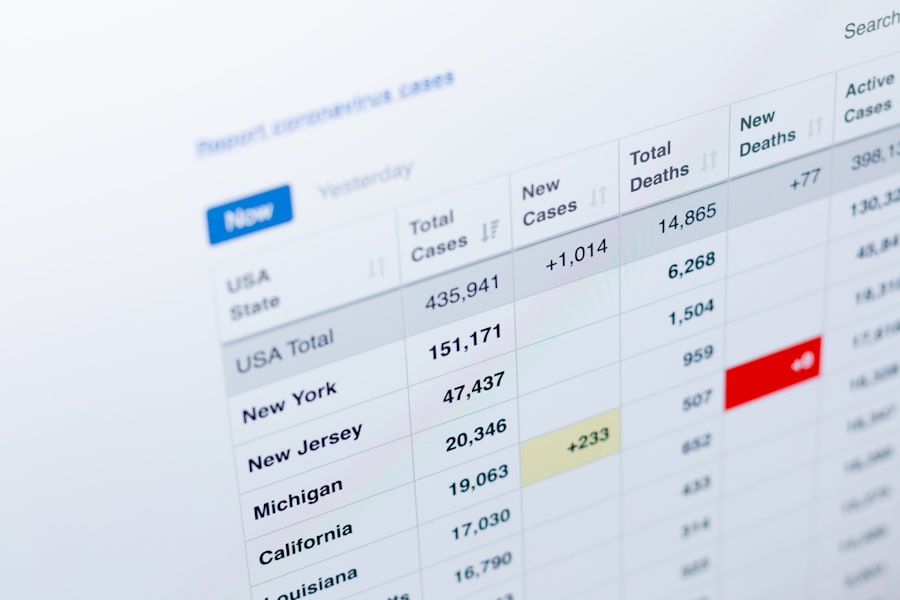
While the power of customer behavior data is undeniable, your responsibility to use it ethically is paramount. Building and maintaining customer trust is more valuable than any short-term gain from questionable data practices.
Transparency and Consent
Always be upfront with your customers about how you collect and use their data.
- Clear Privacy Policies: Ensure your privacy policy is easy to understand, accessible, and explicitly states what data you collect, why you collect it, and how it is used.
- Opt-in and Opt-out Mechanisms: Provide clear options for users to consent to data collection and processing, and equally clear ways for them to opt out or request their data be deleted. This compliance is not just legal (think GDPR, CCPA) but also builds trust.
- Explain the Benefit: When possible, explain to your customers how their data benefits them – e.g., “We use your browsing history to recommend products you’ll love,” or “By remembering your preferences, we can offer you a more personalized experience.”
Data Security and Anonymization
Protecting customer data is non-negotiable. A data breach can decimate trust and lead to severe financial penalties.
- Robust Security Measures: Implement strong encryption, access controls, and regular security audits to protect against data breaches.
- Data Anonymization and Aggregation: Where possible, anonymize individual customer data or use aggregated data for analysis, especially when sharing insights internally or with partners, to reduce privacy risks.
- Compliance with Data Protection Regulations: Stay informed and compliant with all relevant data protection laws in the regions where you operate. This often requires ongoing effort and adaptation.
Balancing Personalization with Customer Comfort
There’s a fine line between helpful personalization and creepy intrusion. You’ll need to learn where that line is for your audience.
- Avoid Over-Personalization: While knowing your customer is good, displaying their exact browsing history on an ad might feel intrusive. Focus on inferences rather than direct replays of their actions.
- Respect Boundaries: If a customer opts out of a certain type of communication or data collection, respect that decision immediately and completely.
- Focus on Value Exchange: Ensure that the personalization you offer genuinely adds value to the customer experience, rather than solely serving your sales objectives. When customers perceive value, they are more likely to be comfortable with data usage.
By meticulously analyzing customer behavior data, crafting campaigns with precision, continuously optimizing based on performance, and upholding the highest ethical standards, you will not only achieve campaign success but also cultivate deeper, more meaningful relationships with your customers. You’re not just selling products or services; you’re solving problems and enhancing lives, guided by the invaluable insights your customers so readily provide.
FAQs
What is customer behavior data?
Customer behavior data refers to the information collected from customers’ interactions with a company, such as their browsing history, purchase patterns, and engagement with marketing campaigns.
How does customer behavior data improve campaign performance?
Customer behavior data allows companies to better understand their target audience, personalize their marketing efforts, and optimize their campaigns based on real-time insights. This leads to more effective and efficient marketing strategies.
What are some examples of customer behavior data that can be used to improve campaign performance?
Examples of customer behavior data include website traffic, click-through rates, conversion rates, social media engagement, email open rates, and purchase history. Analyzing this data can help companies identify trends and preferences among their customers.
How can companies collect customer behavior data?
Companies can collect customer behavior data through various channels, such as website analytics, social media monitoring, email marketing platforms, and customer relationship management (CRM) systems. Additionally, they can use cookies and tracking pixels to gather data from online interactions.
What are the potential challenges of using customer behavior data to improve campaign performance?
Some potential challenges of using customer behavior data include privacy concerns, data security issues, and the need for advanced analytics tools and expertise to effectively interpret and act on the data. Additionally, companies must ensure compliance with data protection regulations, such as GDPR and CCPA.