


You’re building a business, and you’ve done it right – you’ve attracted subscribers! They’ve willingly signed up to hear from you, signaling their interest. But here’s the critical juncture: how do you keep them engaged and, more importantly, loyal? The answer, often overlooked in the pursuit of new leads, lies in perfecting your email frequency. Sending too little can make you irrelevant, while bombarding your audience can lead to unsubscribes and disengagement. This is where email frequency optimization becomes your superpower for maximizing subscriber retention.
You might be tempted to look at what your competitors are doing or simply pick a number that feels “right.” But the truth is, every subscriber is an individual with unique preferences, attention spans, and levels of interest. A blanket approach to email frequency is a recipe for disaster.
The “Set It and Forget It” Fallacy
Sticking to a rigid, unchanging email schedule, whether it’s daily, weekly, or monthly, ignores the dynamic nature of subscriber engagement. You might be alienating some by sending too much, while others might be slipping away due to your infrequent communications.
The Cost of Inaction: Unsubscribes and Inactivity
Every unsubscribed email address represents a lost opportunity. It’s a clear signal that your communication strategy is no longer serving them. Even worse than unsubscribes is subscriber inactivity. These are the silent leavers, the ones who don’t bother to hit the unsubscribe button but simply stop opening or clicking your emails. They’re still on your list, inflating your numbers, but they are no longer providing any value and can even negatively impact your deliverability rates.
The Opportunity Cost: Missed Engagement and Sales
Conversely, by not sending enough emails, you’re potentially missing out on crucial moments to connect with your audience, educate them, nurture leads, and ultimately drive sales. The “right” frequency isn’t about sending the most emails; it’s about sending the optimal number of emails to maintain a healthy engagement level.
In addition to understanding how email frequency optimization can enhance subscriber retention, it’s also essential to focus on the quality of the content being delivered. A related article, Crafting Engaging Content: The Art of Smart Spinning, explores techniques for creating compelling and engaging email content that resonates with subscribers. By combining effective frequency strategies with high-quality content, businesses can significantly improve their email marketing outcomes and foster long-term relationships with their audience.
The Pillars of Effective Email Frequency Optimization
So, how do you move beyond the “set it and forget it” mentality and embark on a journey of true email frequency optimization? It’s a multi-pronged approach that requires understanding your audience, leveraging data, and embracing flexibility.
Unearthing Your Subscriber Archetypes
The first step in optimizing your email frequency is to understand that your subscriber list is not a monolith. It’s a diverse ecosystem of individuals with varying levels of engagement and interest.
The Engaged Enthusiast: Eager for More
These are your power users, the ones who open, click, and often share your emails. They are actively seeking your content and value what you provide.
Identifying Their Signals
Look for patterns in their behavior: consistently high open rates, frequent clicks on links, purchases made shortly after receiving emails, and participation in surveys or Q&A sessions.
Catering to Their Appetite
For this segment, you can afford to be more frequent. Consider exclusive content, early access to promotions, or deeper dives into topics they’ve shown interest in.
The Interested but Busy: Occasional Engagement
This group represents a significant portion of your list. They signed up for a reason, are generally receptive to your brand, but life often gets in the way of them engaging with every single email.
Recognizing Their Nuances
They might open emails sporadically, click on promotions that particularly catch their eye, or engage with content that directly addresses a current need.
Finding the Sweet Spot
For these subscribers, a balanced frequency is key. You want to stay top-of-mind without becoming a nuisance. Weekly or bi-weekly newsletters, or triggered emails based on their browsing behavior, might be ideal.
The Dormant or Disinterested: Minimal or No Interaction
These subscribers haven’t opened or clicked your emails in a significant period. They may have signed up in the past but have since lost interest, or perhaps their email addresses are no longer actively managed.
Pinpointing Signs of Decay
Look for long periods of inactivity, consistently low open rates from this segment, and a lack of engagement with any emails sent.
Developing a Re-engagement Strategy
This is where win-back campaigns come into play. Offer them a significant discount, a compelling piece of content, or a survey to understand why they’ve disengaged. If these efforts fail, it might be time to consider removing them from your active list to improve your overall deliverability and campaign performance.
In the quest for enhancing subscriber retention, understanding the impact of email frequency optimization is crucial. A related article discusses the importance of managing bounces and unsubscribes effectively, which can significantly protect your reputation and improve overall engagement. By implementing strategies outlined in this insightful piece, marketers can ensure that their email campaigns remain effective and well-received. For more information, you can read the full article on automatic management of bounces and unsubscribes.
The Power of Data: Your Compass for Frequency Decisions
Gut feelings are a starting point, but data is your roadmap to truly effective email frequency optimization. Every interaction your subscribers have with your emails provides valuable insights.
Tracking Key Metrics: The Scorecard of Engagement
- Open Rates: A fundamental indicator of how many people are seeing your subject lines and deeming them worthy of a click. However, it’s important to remember that open rate tracking can be unreliable due to image blocking and privacy features.
- Click-Through Rates (CTR): This measures the percentage of recipients who clicked on at least one link in your email. It’s a much stronger indicator of content engagement than open rates.
- Conversion Rates: The ultimate measure of success – how many recipients took a desired action (e.g., made a purchase, downloaded a resource) after interacting with your email.
- Unsubscribe Rates: A direct measure of how many people are actively opting out of your communications. High unsubscribe rates are a red flag signaling that your frequency or content is not meeting expectations.
- Spam Complaint Rates: The worst-case scenario. This indicates that your emails are being marked as spam, severely damaging your sender reputation and deliverability.
Segmenting Your Audience Based on Behavior
This is where the magic happens. Instead of sending the same email to everyone, segment your list based on the data you’ve collected.
Behavioral Segmentation Examples
- Engagement Level: As discussed earlier, segment based on how frequently they open and click your emails.
- Purchase History: Customers who purchase frequently might benefit from more targeted offers, while one-time buyers might need nurturing.
- Browsing Behavior: If you have website tracking integrated, you can segment based on which products or pages they’ve viewed.
- Demographics and Preferences: While not as real-time as behavioral data, this can still inform overall frequency strategy.
Embracing Dynamic Sending: The Ultimate Personalization
Once you have your segments, you can move towards dynamic sending – adjusting email frequency based on individual subscriber behavior and preferences.
Triggered Emails: Proactive Engagement at the Right Moment
These are automated emails sent in response to a specific action or event. They are incredibly powerful for relevance and timeliness.
Welcome Series: The First Impression Matters
The initial emails you send to new subscribers are crucial. A well-crafted welcome series, often spanning a few days, can onboard new users, set expectations, and introduce them to your brand without overwhelming them.
Abandoned Cart Reminders: Recapturing Lost Sales
If a subscriber adds items to their cart but doesn’t complete the purchase, an automated email can gently remind them and encourage them to finish. This can be a highly effective revenue driver.
Onboarding Flows: Guiding New Users to Success
For products or services that require a learning curve, onboarding emails can guide new users through features, best practices, and tips for getting the most value.
Post-Purchase Follow-ups: Building Loyalty and Encouraging Reviews
After a purchase, follow-up emails can express gratitude, provide shipping updates, offer related product suggestions, or request a review. These interactions build goodwill and can lead to repeat business.
Preference Centers: Empowering Subscribers to Choose
Give your subscribers a voice in your communication. A well-designed preference center allows them to control the types of emails they receive and how often.
Types of Preferences to Offer
- Content Categories: Allow them to choose specific topics they are interested in (e.g., product updates, industry news, sales promotions).
- Frequency Options: Offer choices like “weekly,” “monthly,” or “only important updates.”
- Email Types: Let them opt-in or out of specific types of emails, such as newsletters, promotional emails, or event invitations.
The Strategic Application: Implementing a Dynamic Frequency Model
Optimizing email frequency isn’t a one-time task; it’s an ongoing process of testing, learning, and refinement.
Establishing Baseline Frequencies for Segments
Before you dive into complex automation, start by setting baseline frequencies for your identified subscriber segments.
Initial Testing: Small Steps, Big Insights
Begin with a modest variation in frequency for different segments and closely monitor the results. For example, send your most engaged segment one extra email per week and see if their engagement continues to rise or if it starts to dip.
Iterative Adjustments: Learning from Performance
Based on your data, make small, incremental adjustments to your sending frequency for each segment. If engagement declines, scale back. If it continues to rise, you might have room to send a bit more.
A/B Testing Your Email Cadence and Content
Continuous experimentation is vital to uncover what resonates best with your audience.
Testing Different Sending Days and Times
While not strictly frequency, the timing of your sends can significantly impact open and click rates. Test variations to see when your segments are most likely to engage.
Experimenting with Email Content and Value Proposition
Ensure that every email you send offers genuine value. If you’re increasing frequency, the content needs to justify it.
The Role of Email Marketing Platforms and Automation Tools
Modern email marketing platforms are indispensable for implementing and managing a sophisticated email frequency strategy.
Leveraging Automation Workflows
These platforms allow you to build complex automated workflows that trigger emails based on subscriber behavior, segment them dynamically, and manage preference centers.
Utilizing Data Analytics and Reporting Features
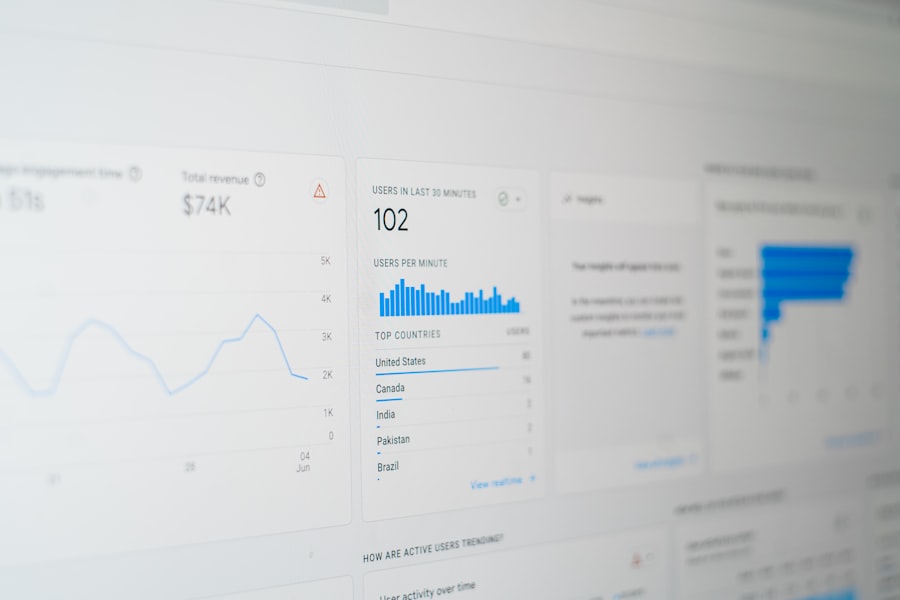
Your platform should provide robust analytics to track the performance of your email campaigns, allowing you to gain insights into subscriber engagement and identify areas for optimization.
The Long-Term Vision: Cultivating Lasting Subscriber Loyalty
Optimizing email frequency is not just about preventing unsubscribes; it’s about building enduring relationships with your subscribers.
Building Trust and Credibility Through Consistent Value
When you consistently deliver relevant and valuable content at an appropriate frequency, you build trust. Your subscribers will come to expect and rely on your communications.
Transforming Subscribers into Brand Advocates
Highly engaged subscribers are more likely to become loyal customers and even brand advocates who spread positive word-of-mouth.
The Continuous Cycle of Improvement
Email frequency optimization is an ongoing journey. Regularly review your data, listen to subscriber feedback, and be prepared to adapt your strategy as your audience and business evolve. By mastering the art of sending the right email at the right time, you’ll not only maximize subscriber retention but also cultivate a community of engaged individuals who are genuinely invested in your brand’s success. This disciplined approach to communication is your secret weapon in a competitive digital landscape.
FAQs
What is email frequency optimization?
Email frequency optimization is the process of finding the right balance and timing for sending emails to subscribers in order to maximize engagement and retention. It involves analyzing subscriber behavior and preferences to determine the most effective frequency for sending emails.
How does email frequency optimization improve subscriber retention?
By optimizing email frequency, businesses can avoid overwhelming subscribers with too many emails, which can lead to unsubscribes or disengagement. On the other hand, sending too few emails can result in subscribers forgetting about the brand. Finding the right frequency can help maintain a healthy level of engagement and retention.
What are the benefits of email frequency optimization?
Optimizing email frequency can lead to higher open and click-through rates, increased customer loyalty, and reduced unsubscribe rates. It can also improve overall email deliverability and help maintain a positive brand image.
How can businesses determine the optimal email frequency for their subscribers?
Businesses can use data analytics and A/B testing to analyze subscriber behavior and preferences. By tracking metrics such as open rates, click-through rates, and unsubscribe rates, businesses can gain insights into the optimal email frequency for their specific audience.
What are some best practices for email frequency optimization?
Some best practices for email frequency optimization include segmenting subscribers based on their engagement levels, providing options for subscribers to choose their preferred frequency, and regularly reviewing and adjusting email frequency based on performance metrics. It’s also important to provide valuable and relevant content in every email to maintain subscriber interest.