



You want to understand how your emails are judged in the digital ether, why some land gracefully in the inbox and others vanish into the spam folder. The key lies in understanding email reputation scoring algorithms. These intricate systems, maintained by Internet Service Providers (ISPs) like Gmail, Outlook, and Yahoo, act as gatekeepers, deciding the fate of your messages based on a complex evaluation of your sending habits and content.
At its core, email reputation is a numerical score that ISPs assign to your sending IP address and domain. This score is not static; it’s dynamic, constantly fluctuating based on your ongoing email sending activities. A good reputation signifies trust, indicating to ISPs that you are a legitimate sender delivering valuable content to interested recipients. A poor reputation, on the other hand, signals potential risk, leading to emails being filtered, delayed, or outright rejected.
The Distinction Between IP and Domain Reputation
It’s crucial to differentiate between your IP reputation and your domain reputation.
IP Reputation
Your IP reputation is tied to the specific IP address from which you send your emails. If you’re using a shared IP, you’re sharing that reputation with other senders. This means a single malicious sender on that IP can negatively impact your deliverability. Dedicated IPs offer more control but also place the full burden of maintaining a good reputation squarely on your shoulders.
Domain Reputation
Your domain reputation, associated with your email sending domain (e.g., yourcompany.com), is equally important. This score reflects how the overall email ecosystem perceives your domain as a sender. Even with a pristine IP address, a bad domain reputation can still lead to deliverability issues.
The Stakes: Why Reputation Matters for Your Business
Your email reputation directly influences your ability to reach your audience. A strong reputation means:
- Higher Inbox Placement Rates: Your emails are more likely to land in the primary inbox, not the spam folder or promotions tab.
- Improved Engagement: Reaching the inbox leads to opens, clicks, and conversions.
- Reduced Bounce Rates: Legitimate senders generally experience fewer hard bounces because recipients are more likely to be valid and engaged.
- Sustained Communication: Consistent delivery allows you to nurture leads and maintain customer relationships.
A poor reputation, conversely, can cripple your outreach efforts, leading to:
- Significant Loss of Reach: Your messages may never reach their intended recipients.
- Damaged Brand Image: If your emails are perceived as spam, it reflects negatively on your brand.
- Wasted Resources: Time and money spent crafting and sending emails that don’t get delivered are lost.
- Difficulty Recovering: Rebuilding a damaged email reputation can be a lengthy and challenging process.
Understanding email reputation scoring algorithms is crucial for optimizing your email marketing efforts. For a deeper dive into enhancing your marketing technology stack, you might find the article on unlocking your Martech stack particularly useful. It provides insights on how to effectively utilize SmartMails’ API key to improve your email campaigns and overall performance. You can read more about it in this article: Unlock Your Martech Stack: A Simple Guide to SmartMails API Key.
The Algorithm’s Inner Workings: Key Factors in Scoring
ISPs employ sophisticated algorithms that analyze a multitude of data points to determine your email reputation. While the exact formulas are proprietary and constantly evolving, several core factors are universally considered.
Engagement Metrics: The Voice of Your Recipients
Your recipients’ behavior is arguably the most significant indicator of your email’s value and your sending legitimacy.
Opens and Clicks
The most straightforward engagement signals are email opens and clicks. High open and click-through rates (CTRs) tell ISPs that your content is relevant and desired by your subscribers. Conversely, low open rates can suggest that your emails are not compelling or that your list may be outdated or disengaged.
Deletes and Marks as Spam
These are strong negative signals. When recipients delete your email without opening it, it suggests a lack of interest. When they mark your email as spam, it’s a direct accusation of unsolicited or unwanted content, severely damaging your reputation.
Unsubscribes
While sometimes viewed negatively, a healthy unsubscribe rate can be a positive signal. It indicates that your subscribers have a clear and easy way to opt-out, which is a hallmark of good list management practices. A high unsubscribe rate, however, can still indicate issues with targeting or content relevance.
Sending Volume and Cadence: Consistency is Key
The volume of emails you send and the frequency at which you send them are also meticulously monitored.
Sudden Spikes in Volume
A dramatic and unexpected increase in sending volume from an IP or domain with no prior history can be a red flag for ISPs. It mimics the behavior of spammers who might suddenly unleash large campaigns. Gradual increases, allowing ISPs to warm up to your sending behavior, are generally preferred.
Consistent Sending Patterns
Maintaining a consistent volume and cadence over time helps build trust. ISPs learn your normal sending patterns and can recognize deviations. Sporadic sending can also raise suspicion.
List Quality and Hygiene: The Foundation of Engagement
The quality and cleanliness of your email list have a profound impact on your reputation.
How Subscribers Are Acquired
ISPs scrutinize how you’ve obtained your subscribers. Opt-in methods, such as double opt-in, are highly favored. They ensure that subscribers have actively and intentionally agreed to receive your emails. Practices like purchasing lists or scraping emails will almost certainly lead to a poor reputation.
List Churn and Inactivity
A list that experiences high churn (frequent unsubscribes and bounces) or has a large segment of inactive subscribers signals a problem. It suggests that your content is not resonating with your audience or that you are not effectively managing your subscriber base.
Bounce Rates (Hard and Soft)
Hard bounces indicate permanent delivery failures (e.g., invalid email addresses). High hard bounce rates are a strong indicator of poor list quality and will significantly damage your reputation. Soft bounces are temporary delivery issues (e.g., full inbox), but a persistent high rate of soft bounces also warrants investigation into your list hygiene.
Content Analysis: What You’re Sending Matters
ISPs examine the content of your emails to identify potential spam triggers and ensure your emails are legitimate and valuable.
Spam Trigger Words and Phrases
Certain words and phrases are commonly associated with spam (e.g., “free,” “guaranteed,” “make money fast”). Overuse of these can trigger spam filters.
Excessive Punctuation and Capitalization
Using excessive exclamation points or ALL CAPS can also be perceived as spammy.
Suspicious Links and Attachments
Emails containing links to untrusted websites or unsolicited attachments can raise red flags. The reputation of the domains and IP addresses linked within your email also plays a role.
Text-to-Image Ratio
Emails with a very high image-to-text ratio, especially if the majority of the important content is embedded in images, may be viewed with suspicion, as spammers often use images to bypass text-based filters.
Authentication and Authorization: Proving Your Identity
Robust email authentication methods are essential for building trust and preventing spoofing.
SPF (Sender Policy Framework)
SPF allows domain owners to specify which mail servers are authorized to send email on behalf of their domain. ISPs check SPF records to verify the sender’s authenticity.
DKIM (DomainKeys Identified Mail)
DKIM adds a digital signature to your outgoing emails, allowing receiving servers to verify that the email hasn’t been tampered with in transit and that it originated from an authorized server for that domain.
DMARC (Domain-based Message Authentication, Reporting & Conformance)
DMARC builds upon SPF and DKIM, providing reporting capabilities and instructing receiving servers on how to handle emails that fail authentication checks (e.g., quarantine or reject). Implementing DMARC is a strong signal of your commitment to email security and deliverability.
The Warm-Up Phase: Building a Reputation from Scratch
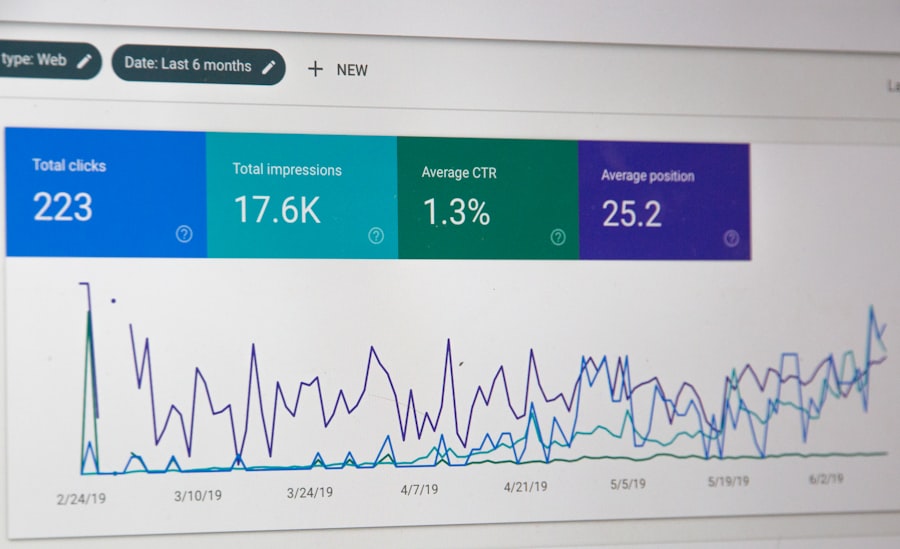
When you start sending emails from a new IP address or domain, or if your sending has been dormant for a while, you enter a “warm-up” phase. During this period, ISPs are particularly cautious, as they have no historical data on your sending behavior.
Gradual Volume Increase
The fundamental principle of the warm-up is to start with a very small volume of emails and gradually increase it over time. This allows ISPs to observe your sending patterns and the engagement they generate.
Targeted Sending
Begin sending to your most engaged subscribers first. This ensures that the initial emails you send are met with positive engagement, helping to establish a good initial impression with ISPs.
Monitoring Feedback Loops
Pay close attention to any feedback you receive from ISPs. This includes monitoring your complaint rates and bounce rates during the warm-up period.
Patience and Consistency
The warm-up process requires patience. Rushing it can lead to a damaged reputation before it’s even established. Consistent, well-behaved sending is vital.
Maintaining a Good Reputation: Ongoing Practices

Building a good reputation is only half the battle; maintaining it requires continuous effort and adherence to best practices.
Regular List Cleaning and Segmentation
Actively prune inactive subscribers from your list. Segment your audience based on their interests and engagement levels to send more targeted and relevant content.
A/B Testing Content and Subject Lines
Continuously test different subject lines, content formats, and calls to action to optimize engagement and reduce spam complaints.
Monitor Complaint Rates Diligently
Keep a close eye on your complaint rates. A low complaint rate (ideally below 0.1%) is crucial for maintaining a good reputation.
Respecting Unsubscribe Requests Immediately
| Algorithm | Provider | Scoring Range | Key Metrics |
|---|---|---|---|
| Sender Score | Return Path | 0-100 | IP reputation, domain reputation, email engagement |
| SenderBase | Cisco | 0-100 | Volume of email sent, spam trap hits, bounce rates |
| Reputation Authority | WatchGuard | 0-1000 | Spam complaints, unknown users, message volume |
Ensure your unsubscribe process is straightforward and that requests are processed promptly. Failure to do so can lead to an increase in spam complaints.
Implementing Advanced Authentication
Ensure SPF, DKIM, and DMARC are correctly configured and in enforcement mode.
Analyzing Deliverability Reports
Utilize any available deliverability reporting tools offered by your ESP or directly from ISPs to gain insights into your sending performance.
Understanding email reputation scoring algorithms is crucial for optimizing your email marketing strategy. For those looking to delve deeper into the metrics that can enhance your campaigns, a related article discusses essential real-time tracking insights that can significantly impact your email performance. You can explore these valuable metrics in more detail by visiting this insightful resource. By leveraging these insights, marketers can better navigate the complexities of email deliverability and engagement.
The Impact of Third-Party Senders: ESPs and Your Reputation
If you use an Email Service Provider (ESP) to manage your email campaigns, their reputation can significantly influence yours.
Shared IP vs. Dedicated IP with ESPs
Many ESPs offer shared IP addresses for their clients. In this scenario, your IP reputation is intertwined with that of all other senders on that shared IP. A problematic sender on the same IP can impact your deliverability. Dedicated IPs offered by ESPs give you more control but require you to manage the IP reputation yourself.
ESP Reputation Management
Reputable ESPs have robust processes in place to monitor and manage the reputation of their shared IP pools. They often have dedicated teams responsible for ensuring good sending practices among their clients.
Choosing the Right ESP
When selecting an ESP, inquire about their IP management policies, their deliverability support, and their processes for handling non-compliant senders. A provider that actively vets its clients and enforces good practices is essential for protecting your own reputation.
In essence, understanding email reputation scoring algorithms is about understanding how the digital world perceives your intent and trustworthiness as an email sender. It’s a continuous process of earning and maintaining trust through responsible practices, attentive monitoring, and a genuine commitment to providing value to your recipients. By focusing on these core principles, you can significantly improve your chances of reaching the inbox and achieving your communication goals.
FAQs
What is an email reputation scoring algorithm?
An email reputation scoring algorithm is a method used to evaluate the trustworthiness and reliability of an email sender based on various factors such as email engagement, spam complaints, and email authentication.
How do email reputation scoring algorithms work?
Email reputation scoring algorithms work by analyzing different aspects of an email sender’s behavior, such as the frequency of sending emails, the quality of the email content, and the recipient’s engagement with the emails. These algorithms assign a score to the sender based on these factors to determine their reputation.
What factors are considered in email reputation scoring algorithms?
Factors considered in email reputation scoring algorithms include the sender’s email engagement metrics (such as open rates and click-through rates), the number of spam complaints received, the sender’s email authentication practices (such as SPF, DKIM, and DMARC), and the overall quality of the email content.
Why are email reputation scoring algorithms important?
Email reputation scoring algorithms are important because they help email service providers and spam filters determine whether an email should be delivered to the recipient’s inbox or marked as spam. By evaluating the sender’s reputation, these algorithms help protect recipients from receiving unwanted or malicious emails.
How can senders improve their email reputation score?
Senders can improve their email reputation score by maintaining a clean and engaged email list, sending relevant and valuable content to recipients, implementing proper email authentication protocols, and promptly addressing any spam complaints or deliverability issues.