



Predictive send time optimization is more important in 2026 than ever before because it directly addresses the increasing noise in customer inboxes and leverages advanced AI to cut through that clutter. Simply put, sending emails at the “best” time for each individual recipient is no longer a luxury, but a necessity for maintaining engagement and maximizing the returns on your email marketing efforts. With privacy concerns shaping data availability and consumer expectations skyrocketing, a personalized approach to timing isn’t just smart – it’s foundational for any successful email strategy.
The digital landscape has evolved significantly. What worked a few years ago might just get lost in the shuffle today.
Overwhelmed Consumers
Think about your own inbox. How many emails do you get in a day? Now multiply that by the thousands of users your business is trying to reach. In 2026, people are receiving more emails than ever before, not just from businesses but also from social networks, personal contacts, and various subscriptions. This sheer volume means attention spans are shorter and the tolerance for irrelevant or poorly timed messages is at an all-time low. Businesses are fighting for precious seconds of attention.
Shifting Platform Algorithms
Email service providers (ESPs) and mailbox providers like Google and Microsoft are constantly refining their algorithms. They’re getting smarter at identifying what’s valuable to users and what’s not. This isn’t just about spam filters; it’s about how prominently an email appears in an inbox, or if it even makes it to the primary tab. Factors like engagement rates (opens, clicks, replies) are heavily weighted. Sending at the optimal time directly influences these rates, helping your emails bypass various filtering mechanisms and land where they’re most likely to be seen.
Privacy-First World
The increasing focus on data privacy, particularly with regulations like GDPR and CCPA, impacts how we gather and use customer data. While direct identifiers might be harder to come by, behavioral data, especially within your own walled garden, becomes even more crucial. Predictive send time optimization thrives on this behavioral data, learning from past interactions without relying on overly intrusive personal information that might be restricted. It’s about respecting privacy while still delivering relevance.
In exploring the significance of predictive send time optimization in 2026, it is essential to consider how effective email list management contributes to overall marketing success. A related article, “The Power of a Well-Managed Email List: Your Ultimate Business Asset,” delves into the strategies for maintaining an engaged audience and highlights the importance of timing in email campaigns. By understanding the interplay between list management and send time optimization, businesses can enhance their outreach efforts and improve engagement rates.
How Predictive Send Time Optimization Actually Works (Beyond the Hype)
It’s not magic, it’s sophisticated data analysis. Understanding the underlying mechanics helps demystify the process.
Machine Learning at its Core
At its most basic, predictive send time optimization uses machine learning algorithms. These algorithms analyze vast amounts of data points to identify patterns. It’s not about guessing; it’s about statistically probable outcomes. The more data they have, the more accurate their predictions become.
Data Points in Play
What kind of data are we talking about? It’s not just about when someone opened an email. It’s a lot more nuanced:
- Past Email Engagement: This is the bedrock. When did a specific user (or similar users) open, click, or even reply to previous emails from your brand? Are they morning readers, afternoon skimmers, or late-night checkers?
- Website Activity: When do users typically visit your website? Are they browsing product pages, abandoning carts, or reading blog posts at certain times? This indicates periods of active engagement with your brand.
- Purchase History: Not just what they bought, but when they bought it. This can reveal behavioral windows.
- Demographic, Geographic, and Psychographic Data: While often less direct for timing, these factors provide context. A user in a different time zone, for example, will obviously have a different optimal send time. Age groups might also have different typical online habits.
- Device Usage: Are they primarily opening emails on their phone during a commute, or on a desktop during work hours? This can influence when they’re available to engage.
Continuous Learning and Iteration
Predictive models aren’t static. They continuously learn and adapt. Every email sent, every open, every click, every conversion (or lack thereof) feeds back into the system. This means the “best time” for a user isn’t fixed; it evolves as their habits and your brand’s messaging change. This iterative process is key to long-term effectiveness. Imagine a user changes jobs and now checks their personal email at a different time – the system should eventually pick up on that behavioral shift and adjust.
The Tangible Benefits in a Competitive 2026 Landscape
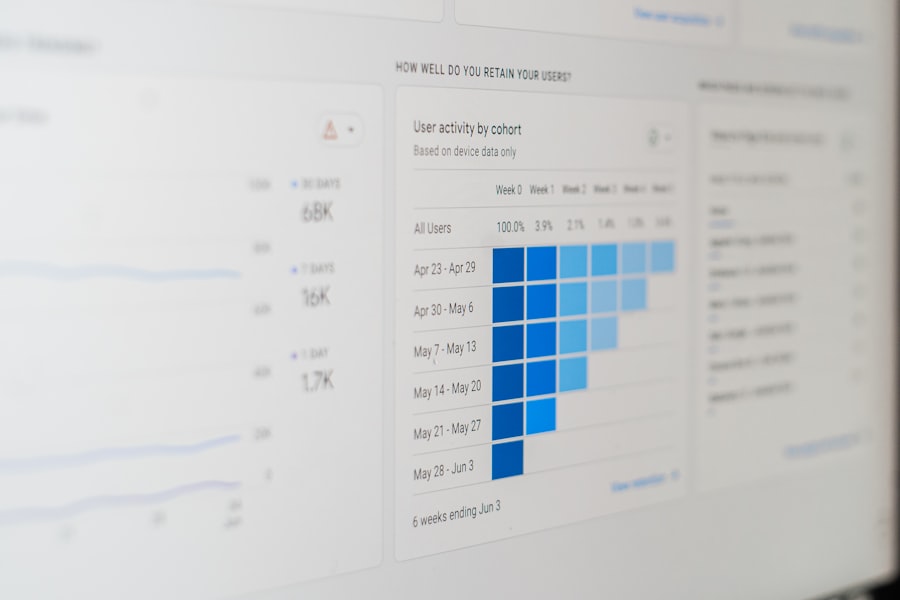
The theoretical advantages are clear, but what does that translate to in terms of real-world results?
Boosted Open Rates (Cutting Through the Clutter)
This is perhaps the most immediate and obvious benefit. If your email arrives when a recipient is actively checking their inbox and is most receptive, they are significantly more likely to open it. Rather than being buried under dozens of newer emails, yours stands a chance of being near the top of the pile. In 2026, merely reaching the inbox isn’t enough; being seen is the crucial next step.
Higher Click-Through Rates (Engagement That Matters)
Engagement goes beyond just opening. When an email is opened at an opportune moment, the recipient is often in a better frame of mind to actively engage with its content. They might have more time, fewer distractions, or be specifically looking for information that your email provides. A well-timed email leads to more thoughtful interaction, translating into more clicks on your calls to action, increased website traffic, and deeper engagement with your brand’s message.
Improved Conversion Rates (Driving Actual Business Outcomes)
Ultimately, the goal of most marketing emails is to drive a specific action – a purchase, a sign-up, a download, a subscription. A higher click-through rate, driven by optimal timing, naturally leads to more opportunities for conversion. When someone clicks on a product link at a time they are ready to consider a purchase, the conversion funnel shortens and becomes more effective. It’s about meeting the customer where they are, not just literally, but also in their psychological state of mind.
Reduced Opt-Out Rates (Respecting User Preference)
Bombarding users with emails at inconvenient times can be irritating and lead to unsubscribes. Conversely, sending relevant emails at times that align with their preferences demonstrates respect for their time and inbox. This thoughtful approach can significantly reduce churn and build stronger, more sustained relationships with your audience. It helps to communicate value without becoming a nuisance.
Enhanced Sender Reputation (The Long Game)
ESPs and mailbox providers monitor engagement metrics closely. High open rates, strong click-through rates, and low complaint rates signal to them that your emails are valuable and desired by recipients. This positive feedback loop improves your sender reputation, which in turn increases your deliverability rates. In 2026, maintaining a stellar sender reputation is paramount for ensuring your emails consistently reach the inbox, avoiding the dreaded spam folder.
Practical Steps to Implement Predictive Send Time Optimization

It might sound complex, but implementing this isn’t rocket science, especially with today’s tools.
Assess Your Current Email Platform
Before diving in, check if your current Email Service Provider (ESP) or marketing automation platform offers predictive send time optimization as a native feature or an integration. Many leading platforms, such as HubSpot, Mailchimp (for some tiers), Braze, Iterable, Customer.io, and others, have this built-in or available as an add-on. If yours doesn’t, it might be time to evaluate other options or look for third-party integrations. Don’t be afraid to ask your platform provider directly about their capabilities in this area.
Gather and Understand Your Data
This is the fuel for your predictive engine. Start by looking at your existing email performance data. What are the general trends? Which days and times have historically performed best for your entire list? While predictive optimization refines this for individuals, understanding the aggregate helps set a baseline. Beyond email data, if your platform can pull in website analytics, purchase history, and CRM data, that’s incredibly valuable. Ensure your customer data is as clean and well-segmented as possible – garbage in, garbage out, as they say.
Start with a Pilot Program (Don’t Go All In At Once)
Resist the urge to switch all your campaigns to predictive optimization overnight. Start with a specific segment or a non-critical campaign. This allows you to monitor results without risking your primary revenue-driving efforts. For instance, try it on a weekly newsletter for a portion of your audience, using A/B testing to compare the predictive send vs. your traditional “best time.” This controlled environment helps you understand its impact and fine-tune your approach.
Monitor, Test, and Optimize Continuously
Predictive optimization isn’t a “set it and forget it” feature. The algorithms are constantly learning, but your strategic overview is still vital. Regularly review the performance of campaigns using predictive send times.
- A/B Test: Does sending “now” versus “predictive” yield better results for certain types of emails?
- Segmentation: Are predictive times working differently for different segments (e.g., new customers vs. loyal customers)?
- Content Type: Does a promotional email benefit more from predictive timing than a transactional one?
- Seasonality: Do optimal times shift during holiday periods or specific campaigns?
Look at not just open and click rates, but also conversion rates and even reply rates if applicable. This ongoing analysis helps you understand the nuances and maximize the tool’s effectiveness.
Understanding the significance of predictive send time optimization is crucial for marketers aiming to enhance their email engagement strategies in 2026. As consumer behavior continues to evolve, leveraging advanced techniques can lead to better open rates and conversions. For those interested in further exploring the technical aspects of email automation, a related article discusses how to effectively utilize APIs for this purpose. You can read more about it in this insightful piece on leveraging RESTful APIs for email automation. This resource provides valuable insights that can complement your understanding of predictive analytics in email marketing.
The Future: Beyond Just Timing in 2026
“`html
| Metrics | Data |
|---|---|
| Increased Open Rates | By sending emails at the optimal time, open rates can increase significantly. |
| Improved Engagement | Reaching recipients at the right time can lead to higher engagement with the content. |
| Enhanced Conversion Rates | Higher engagement and open rates can ultimately lead to improved conversion rates. |
| Maximized ROI | By optimizing send times, businesses can maximize the return on investment for their email marketing efforts. |
“`
While timing is crucial, predictive capabilities are expanding into other areas of email marketing.
Predictive Content Personalization
Imagine not just when to send, but what content to include based on predictive analytics. Algorithms are getting better at determining which products, offers, or article types a specific user is most likely to engage with at that moment. This moves beyond simple segmentation to truly dynamic, individualized content delivery. It’s about serving up the most relevant message, not just a relevant message.
Predictive Frequency Optimization
Just like timing, the number of emails a user receives can be optimized. Some users might thrive on daily updates, while others prefer weekly digests. Predictive models can analyze individual engagement patterns to determine the ideal send frequency for each subscriber, preventing fatigue for some and ensuring consistent engagement for others. This helps avoid unsubscribes due to “too many emails.”
Journey Orchestration (Putting It All Together)
The ultimate goal in 2026 is a fully orchestrated customer journey where predictive models inform every aspect of communication – timing, content, channel (email, SMS, in-app notifications), and frequency. This ensures that every touchpoint is optimized for the individual, creating a seamless, highly engaging, and effective customer experience. It’s about having the right conversation, with the right person, at the right time, in the right place, with the right words.
In 2026, predictive send time optimization isn’t just about getting an edge; it’s about staying competitive and building meaningful relationships in an increasingly noisy digital world. By leveraging sophisticated data analysis, businesses can cut through the clutter, foster deeper engagement, and ultimately drive better outcomes, all while respecting the ever-evolving expectations and privacy concerns of their audience.
FAQs
What is predictive send time optimization?
Predictive send time optimization is a marketing strategy that uses data analysis and machine learning to determine the best time to send marketing emails to individual recipients based on their past behavior and engagement patterns.
How does predictive send time optimization work?
Predictive send time optimization works by analyzing a recipient’s past interactions with marketing emails, such as open rates and click-through rates, to identify patterns and determine the optimal time to send future emails to maximize engagement and response.
Why is predictive send time optimization important in 2026?
In 2026, the digital landscape is more competitive than ever, and consumers are inundated with marketing messages. Predictive send time optimization allows marketers to cut through the noise and deliver their messages at the most opportune moments, increasing the likelihood of engagement and conversion.
What are the benefits of using predictive send time optimization?
The benefits of using predictive send time optimization include higher open and click-through rates, improved engagement with marketing content, increased conversion rates, and ultimately, a better return on investment for marketing efforts.
What are some tools and platforms available for predictive send time optimization?
There are several tools and platforms available for predictive send time optimization, including email marketing software with built-in predictive analytics capabilities, as well as standalone predictive send time optimization solutions that integrate with existing marketing technology stacks.