



Automated workflows are revolutionizing business operations, especially in marketing. These workflows consist of task sequences that execute automatically based on predefined triggers or conditions. Systems can send emails, update customer records, and generate reports without manual intervention, saving time and reducing human error risks.
Automated workflows streamline processes, enhance productivity, and improve customer experiences. The application of automated workflows spans various scenarios. When a potential customer completes a website form, an automated workflow can trigger a welcome email, add the individual to a mailing list, and alert the sales team.
This task integration enables prompt and efficient audience engagement. Automated workflows can be customized to address specific business needs, making them versatile marketing tools.
Key Takeaways
- Automated workflows streamline marketing tasks, improving efficiency and consistency.
- Effective list management is crucial for precise targeting and personalized marketing.
- Integrating segmentation with automation enhances customer engagement and conversion rates.
- Utilizing the right tools and software simplifies workflow automation and list management processes.
- Monitoring performance and avoiding common pitfalls ensures continuous improvement and future readiness.
The Benefits of Automated Workflows in Marketing
The advantages of implementing automated workflows in your marketing strategy are manifold. First and foremost, they significantly enhance efficiency. By automating repetitive tasks, you free up valuable time for your team to focus on more strategic initiatives.
This not only boosts productivity but also fosters a more innovative work environment where creativity can flourish. You’ll find that your team can dedicate their efforts to crafting compelling campaigns rather than getting bogged down by mundane tasks. Moreover, automated workflows improve consistency in your marketing efforts.
When you rely on manual processes, there’s always a risk of inconsistency in messaging or timing. However, with automation, you can ensure that every customer receives the same high-quality experience regardless of when they interact with your brand. This uniformity builds trust and reliability, which are crucial for maintaining strong customer relationships.
As you implement these workflows, you’ll likely notice an increase in customer satisfaction and loyalty.
How to Implement Automated Workflows in Your Marketing Strategy
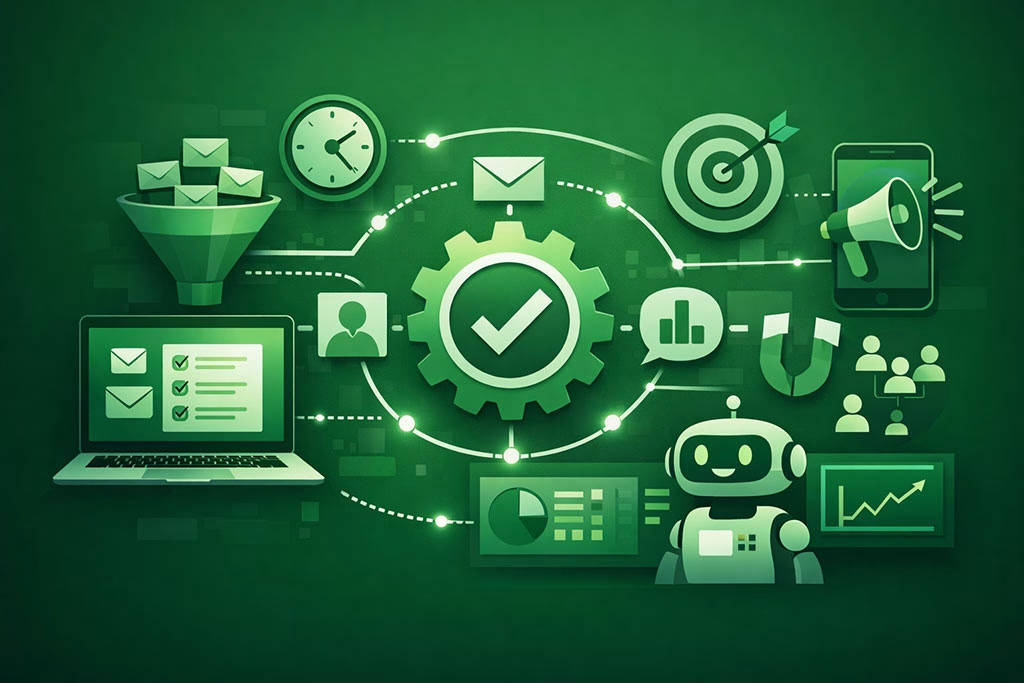
Implementing automated workflows into your marketing strategy may seem daunting at first, but it can be a straightforward process with the right approach. Start by identifying the specific tasks that consume a significant amount of time and resources within your team. These could include email marketing campaigns, social media posting schedules, or lead nurturing processes.
Once you’ve pinpointed these areas, you can begin to design workflows that address them effectively. Next, choose the right tools and software that align with your business needs. There are numerous platforms available that specialize in automation, each offering unique features and capabilities.
As you evaluate these options, consider factors such as ease of use, integration capabilities with your existing systems, and scalability for future growth. Once you’ve selected a tool, it’s essential to map out your workflows clearly. Define the triggers, actions, and outcomes for each workflow to ensure that they function smoothly and deliver the desired results.
List Management: The Key to Effective Targeting
List management is a critical component of any successful marketing strategy. It involves organizing and maintaining your contact lists to ensure that you are targeting the right audience with the right message at the right time. Effective list management allows you to segment your audience based on various criteria such as demographics, behavior, or engagement levels.
This targeted approach increases the likelihood of conversion and enhances the overall effectiveness of your marketing campaigns. As you delve into list management, consider the importance of data hygiene.
Keeping your lists clean and up-to-date is essential for maximizing engagement rates and minimizing bounce rates.
Regularly reviewing and purging inactive contacts will help maintain the integrity of your lists and ensure that your marketing efforts are directed toward individuals who are genuinely interested in your offerings. By prioritizing list management, you set the foundation for more personalized and impactful marketing initiatives.
Segmentation and Personalization in List Management
| Automation Setup Time | Time required to create and implement automated workflows | 2-5 hours per workflow | Reduces manual effort and speeds up campaign deployment |
| List Segmentation Accuracy | Percentage of contacts correctly segmented based on criteria | 85-95% | Improves targeting and personalization of marketing messages |
| Email Open Rate | Percentage of recipients who open automated emails | 20-30% | Indicates engagement and effectiveness of subject lines |
| Click-Through Rate (CTR) | Percentage of recipients who click links in automated emails | 2-5% | Measures interest and drives traffic to landing pages |
| Lead Conversion Rate | Percentage of leads converted through automated workflows | 10-20% | Demonstrates effectiveness of nurturing and follow-up sequences |
| Time Saved on Manual Tasks | Hours saved weekly by automating repetitive marketing tasks | 5-15 hours | Allows marketing teams to focus on strategy and creativity |
| List Growth Rate | Monthly increase in subscriber list size | 3-7% | Expands audience reach and potential customer base |
| Bounce Rate | Percentage of emails not delivered to recipients | Less than 2% | Maintains list health and improves deliverability |
Segmentation and personalization are two powerful strategies that can significantly enhance your marketing efforts when combined with effective list management. Segmentation involves dividing your audience into smaller groups based on shared characteristics or behaviors. This allows you to tailor your messaging and offers to resonate more deeply with each segment.
For instance, you might create separate campaigns for new customers versus returning ones, ensuring that each group receives relevant content that speaks to their unique needs. Personalization takes this a step further by customizing communications based on individual preferences or past interactions. When you leverage data from your list management efforts, you can create highly personalized experiences for your audience.
This could include addressing recipients by their first name in emails or recommending products based on previous purchases. As you implement segmentation and personalization strategies, you’ll likely see an increase in engagement rates and conversions as customers feel more valued and understood.
Best Practices for List Management
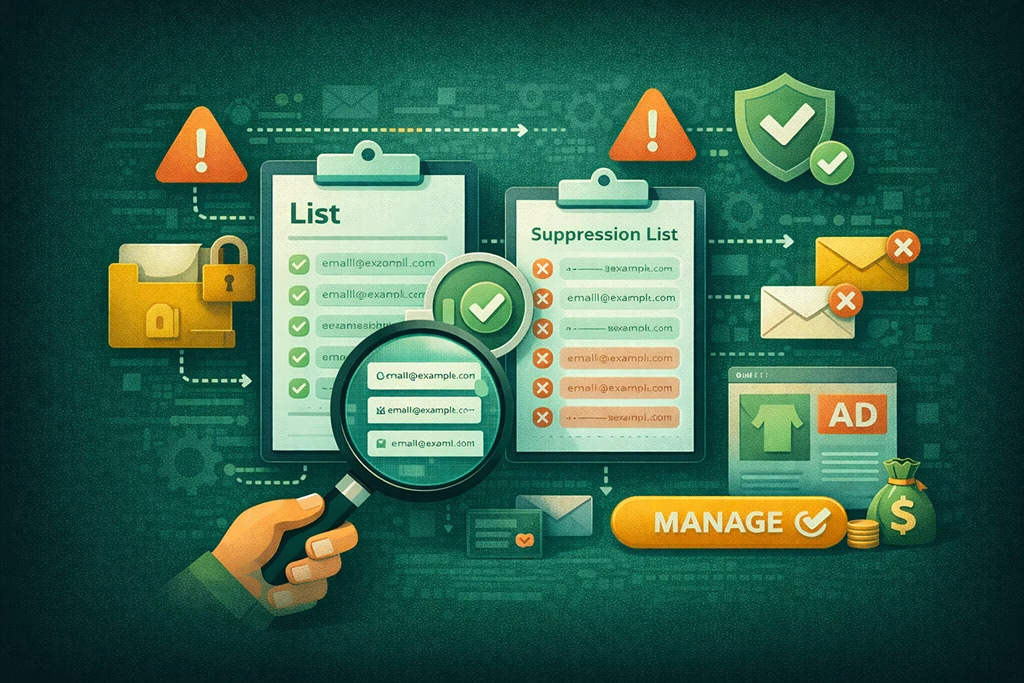
To maximize the effectiveness of your list management efforts, it’s essential to adhere to best practices that ensure accuracy and relevance. First and foremost, prioritize data collection methods that capture valuable information about your audience without overwhelming them. Use sign-up forms that ask for essential details while allowing users to opt-in for additional information if they choose.
This approach not only respects user privacy but also helps build trust. Another best practice is to regularly analyze and update your lists based on performance metrics. Monitor engagement rates, open rates, and click-through rates to identify trends within your audience segments.
This data-driven approach enables you to refine your targeting strategies continually and make informed decisions about future campaigns. Additionally, consider implementing double opt-in processes to confirm subscriptions and reduce the likelihood of spam complaints.
Integrating Automated Workflows with List Management
Integrating automated workflows with effective list management is crucial for maximizing the impact of your marketing efforts. When these two elements work in harmony, you can create a seamless experience for both your team and your audience. Start by ensuring that your automated workflows are designed to pull data directly from your contact lists.
This allows for real-time updates and ensures that your communications are always relevant and timely. Furthermore, consider using automation to enhance list management itself. For example, set up workflows that automatically segment contacts based on their interactions with your brand or trigger follow-up emails after specific actions are taken.
By automating these processes, you not only save time but also ensure that no potential lead falls through the cracks. As you integrate these systems, you’ll find that your marketing efforts become more cohesive and effective.
Tools and Software for Automated Workflows and List Management
The market is flooded with tools and software designed to facilitate automated workflows and list management, making it easier than ever for businesses like yours to streamline operations. Popular platforms such as HubSpot, Mailchimp, and ActiveCampaign offer robust features that cater to various aspects of marketing automation and list management. These tools often come equipped with user-friendly interfaces that allow you to create workflows without extensive technical knowledge.
When selecting a tool, consider what specific features are most important for your business needs.
For instance, if email marketing is a primary focus, look for platforms that offer advanced segmentation capabilities and A/B testing options. Additionally, ensure that the software integrates well with other tools you may already be using, such as CRM systems or e-commerce platforms.
By choosing the right tools for your automated workflows and list management efforts, you set yourself up for success in achieving your marketing goals.
Measuring the Efficiency of Automated Workflows and List Management
To truly understand the impact of automated workflows and list management on your marketing strategy, it’s essential to measure their efficiency regularly. Start by establishing key performance indicators (KPIs) that align with your business objectives. These could include metrics such as conversion rates, engagement rates, or even customer lifetime value.
By tracking these KPIs over time, you can gain valuable insights into how well your automated processes are performing. Additionally, consider conducting regular audits of both your workflows and contact lists. Analyze which workflows are driving results and which may need adjustments or optimization.
Similarly, review your contact lists to identify any segments that may not be performing as expected. By continuously measuring efficiency and making data-driven decisions, you can refine your strategies and ensure that both automated workflows and list management contribute positively to your overall marketing success.
Common Mistakes to Avoid in Automated Workflows and List Management
As with any strategy, there are common pitfalls to avoid when implementing automated workflows and managing lists effectively. One major mistake is failing to personalize communications adequately. While automation allows for efficiency, it’s crucial not to sacrifice the personal touch that resonates with customers.
Ensure that your messages feel tailored rather than generic; otherwise, you risk losing engagement. Another common error is neglecting data hygiene practices within list management. Allowing outdated or inaccurate information to linger in your lists can lead to wasted resources and diminished campaign effectiveness.
Regularly clean up your lists by removing inactive contacts or correcting erroneous data points. By being proactive about these issues, you can enhance both the performance of your automated workflows and the overall quality of your marketing efforts.
Future Trends in Automated Workflows and List Management
Looking ahead, several trends are poised to shape the future of automated workflows and list management in marketing. One significant trend is the increasing use of artificial intelligence (AI) to enhance automation capabilities further. AI-driven tools can analyze vast amounts of data quickly, allowing for more sophisticated segmentation and personalization strategies than ever before.
Additionally, as consumer expectations continue to evolve, there will be a growing emphasis on real-time engagement through automation. Customers now expect timely responses and relevant content delivered at precisely the right moment in their journey. As you adapt to these trends, staying ahead of technological advancements will be crucial for maintaining a competitive edge in an ever-changing landscape.
In conclusion, embracing automated workflows alongside effective list management can transform how you approach marketing strategies within your organization. By understanding their benefits and implementing best practices while avoiding common pitfalls, you’ll position yourself for success in an increasingly digital world.
In the quest to enhance your marketing strategies, understanding the importance of customer engagement is crucial. A related article that delves into the nuances of consumer behavior and pricing strategies is titled “Why Are iPhones More Expensive Than Android Phones?” This piece provides insights into how pricing can influence customer perceptions and decisions, which can be beneficial when designing automated workflows and list management for your marketing efforts. You can read the article [here](https://blogs.smartmails.io/2021/01/14/why-are-iphones-more-expensive-than-android-phones/).
FAQs
What are automated workflows in marketing?
Automated workflows in marketing are sequences of pre-defined actions triggered by specific events or conditions. They help streamline repetitive tasks such as sending emails, updating contact information, or scoring leads, allowing marketers to engage with their audience more efficiently.
How can automated workflows improve marketing efficiency?
Automated workflows reduce manual effort by handling routine tasks automatically, ensuring timely and consistent communication with customers. This leads to improved productivity, better lead nurturing, and increased conversion rates.
What is list management in marketing?
List management involves organizing and maintaining contact lists to ensure accurate segmentation, targeting, and personalization. It includes activities like adding or removing contacts, updating information, and categorizing contacts based on behavior or demographics.
Why is list management important for automated marketing workflows?
Effective list management ensures that automated workflows target the right audience with relevant messages. It helps prevent sending duplicate or irrelevant communications, improves deliverability, and enhances overall campaign performance.
What tools are commonly used for automated workflows and list management?
Popular tools include marketing automation platforms like HubSpot, Mailchimp, ActiveCampaign, and Marketo. These platforms offer features for creating automated workflows, managing contact lists, segmenting audiences, and tracking campaign results.
Can automated workflows be customized for different marketing goals?
Yes, automated workflows can be tailored to various marketing objectives such as lead nurturing, customer onboarding, re-engagement campaigns, or event promotion. Customization allows marketers to design workflows that align with their specific strategies and audience needs.
How do automated workflows handle customer data privacy?
Most marketing automation platforms comply with data protection regulations like GDPR and CCPA. They provide options to manage consent, handle data securely, and allow contacts to opt-out of communications, ensuring privacy and compliance.
What are some best practices for creating effective automated workflows?
Best practices include defining clear goals, mapping the customer journey, segmenting audiences accurately, personalizing messages, testing workflows before launch, and continuously monitoring and optimizing performance.
Is technical expertise required to set up automated workflows and list management?
While some platforms are user-friendly and designed for marketers without technical backgrounds, basic understanding of marketing concepts and platform functionalities is helpful. Many tools offer templates and support resources to simplify setup.
How can businesses measure the success of automated marketing workflows?
Success can be measured using metrics such as open rates, click-through rates, conversion rates, lead generation, and ROI. Most marketing automation platforms provide analytics and reporting features to track these key performance indicators.