



You’ve poured countless hours into crafting compelling campaign messages, designing eye-catching visuals, and strategizing your target audience. But are your efforts truly yielding the maximum impact? In today’s hyper-connected marketing landscape, raw data is no longer enough; it’s the intelligent synchronization of that data that unlocks unparalleled campaign performance. You, as a marketer, are constantly seeking an edge, a way to reach your audience more effectively, personalize their experience, and ultimately drive stronger results. This article will guide you through the transformative power of smart data synchronization, illustrating how you can move beyond fragmented information to a unified, action-oriented approach that elevates your campaigns to new heights.
You understand the pain points of disparate data. Customer information residing in your CRM, website analytics in Google Analytics, email engagement in your ESP, and ad performance data scattered across various platforms. This fragmented landscape creates significant hurdles for you, hindering your ability to build a holistic view of your customer and optimize your campaigns effectively.
The Cost of Data Silos
Imagine trying to understand a complex story when you’re only given individual sentences, jumbled and out of order. That’s what you’re doing to your marketing efforts when your data lives in uncommunicative silos. You’re missing crucial connections and therefore, insights.
- Incomplete Customer Profiles: You can’t build a truly comprehensive picture of your customer without connecting the dots across their interactions. Are they a repeat buyer viewing a specific ad? Have they engaged with your email but haven’t converted on-site? Without synchronized data, you simply don’t know.
- Inefficient Targeting: Your targeting efforts become a guessing game. You might be showing ads for products a customer already bought, or targeting segments with messages that are irrelevant based on their recent behavior elsewhere. This wastes your ad spend and frustrates potential customers.
- Delayed Decision-Making: When data is scattered, the time it takes to gather, clean, and analyze it can be exorbitant. You miss opportunities to react to real-time customer behavior or quickly pivot your campaign strategy when performance dips.
- Inconsistent Customer Experiences: You risk delivering disjointed experiences. A customer might receive a follow-up email about a product they’ve already added to their cart, or be presented with a generic offer despite engaging deeply with specific content on your website.
The Promise of Unified Data
Conversely, imagine a clear, coherent narrative where every piece of information seamlessly flows together. This is the promise of unified data through smart synchronization. You gain a powerful single customer view, enabling more informed decisions and a far greater return on your marketing investment.
- 360-Degree Customer Perspective: You obtain a complete understanding of each customer, from their initial interaction to their latest purchase, across all touchpoints. This empowers you to truly understand their needs and preferences.
- Enhanced Personalization: With a holistic view, you can personalize every aspect of your campaigns, from ad creative and landing pages to email content and product recommendations.
- Real-time Optimization: The ability to access and analyze data in near real-time allows you to make swift, data-driven adjustments to your campaigns, maximizing their effectiveness.
- Improved Attribution: You can accurately attribute conversions and understand the true impact of each touchpoint in the customer journey, leading to more intelligent budget allocation.
In the realm of digital marketing, understanding the nuances of campaign performance is crucial, and one effective strategy is smart data synchronization. This approach not only streamlines data management but also enhances the overall effectiveness of marketing campaigns. For those looking to delve deeper into related topics, the article on A/B testing in email marketing provides valuable insights into optimizing campaign strategies. You can read more about it here: What is A/B Testing in Email Marketing?.
Strategic Frameworks for Implementing Smart Data Synchronization
To move beyond the theoretical understanding, you need practical strategies. Implementing smart data synchronization isn’t a one-time fix; it’s an ongoing process that requires careful planning and the right tools.
Identifying Key Data Sources
Your first step is to identify all the critical data sources that contribute to your customer understanding and campaign performance. You need to be thorough here, leaving no stone unturned.
- CRM (Customer Relationship Management): This is often your central hub for customer demographics, purchase history, and direct interactions.
- Marketing Automation Platforms (MAPs): These house email engagement metrics, lead scoring, and automated journey data.
- Website Analytics (e.g., Google Analytics, Adobe Analytics): Provides insights into website traffic, user behavior, conversions, and bounce rates.
- Advertising Platforms (e.g., Google Ads, Facebook Ads, LinkedIn Ads): Contains ad impressions, clicks, conversions, and cost data.
- Social Media Platforms: Offers engagement metrics, sentiment analysis, and audience demographics.
- Customer Support Systems: Provides valuable feedback, common issues, and customer satisfaction data.
- POS (Point-of-Sale) Systems: For retail businesses, this offers offline purchase data.
Choosing the Right Integration Tools
Once you’ve identified your data sources, you need the right tools to connect them. This is where strategic investment comes into play. You have several options, each with its own advantages.
- Customer Data Platforms (CDPs): CDPs are designed specifically to unify customer data from various sources into a single, comprehensive profile. They offer robust identity resolution, data segmentation, and activation capabilities. This is often the most comprehensive solution for you to consider.
- Integration Platform as a Service (iPaaS): iPaaS solutions provide a cloud-based platform for connecting disparate applications and data sources. They offer pre-built connectors and tools for data transformation and orchestration, making complex integrations more manageable.
- Data Warehouses/Lakes: For a more technical approach, you might consider building a centralized data warehouse or data lake. This involves extracting, transforming, and loading (ETL) data from various sources into a single repository for analysis.
- API Integrations: Many platforms offer APIs (Application Programming Interfaces) that allow for direct, custom integration. While requiring more technical expertise, APIs offer maximum flexibility and control over data flow.
Establishing Data Governance and Quality
Synchronizing data is only useful if the data itself is clean, consistent, and reliable. You must prioritize data governance.
- Defining Data Standards: Establish clear guidelines for data collection, formatting, and naming conventions across all your systems.
- Data Deduplication and Cleaning: Implement processes to identify and remove duplicate records and cleanse inaccurate or incomplete data.
- Ongoing Monitoring and Validation: Regularly monitor your data synchronization processes to ensure data integrity and address any discrepancies promptly.
Leveraging Smart Data Synchronization for Campaign Optimization
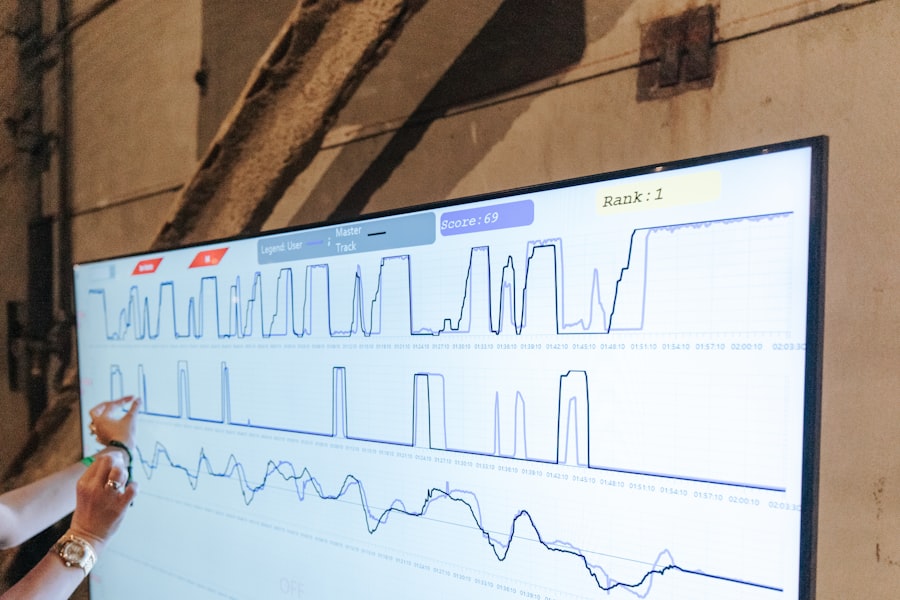
With your data flowing seamlessly, you can now unlock a multitude of optimization opportunities across your campaigns. This is where your investment truly pays off.
Hyper-Personalization at Scale
Imagine speaking directly to each individual customer, understanding their unique needs and preferences. Smart data synchronization makes this a reality for you, even at scale.
- Dynamic Content Creation: You can dynamically tailor website content, email messages, and ad creatives based on individual user behavior, demographics, and past interactions.
- Personalized Product Recommendations: Leverage purchase history and browsing behavior to recommend relevant products or services across all touchpoints.
- Tailored Offers and Promotions: Deliver highly targeted offers that resonate with specific customer segments, increasing conversion rates.
Precision Targeting and Retargeting
Your targeting becomes surgical with smart data synchronization, allowing you to reach the right people with the right message at the opportune moment.
- Advanced Audience Segmentation: Create highly granular audience segments based on a rich tapestry of data points, including behavioral insights, demographic information, and purchase intent.
- Exclusion Lists for Efficiency: Dynamically exclude customers who have already converted or who are no longer relevant to a specific campaign, minimizing wasted ad spend.
- Behavioral Retargeting: Retarget users based on specific actions they’ve taken (e.g., abandoned cart, viewed a specific product, engaged with an email), delivering highly relevant follow-up messages.
Enhanced Customer Journey Orchestration
You can now orchestrate seamless, personalized customer journeys that guide individuals through the sales funnel with greater efficiency and effectiveness.
- Cross-Channel Consistency: Ensure a consistent brand message and experience across all your marketing channels, from social media to email to in-app notifications.
- Automated Triggers and Nurturing: Set up automated triggers based on customer actions or inactions, initiating personalized email sequences, ad campaigns, or even sales outreach.
- Optimized Lead Scoring: Improve the accuracy of your lead scoring models by incorporating data from all touchpoints, enabling your sales team to prioritize the most qualified leads.
Measuring and Iterating for Continuous Improvement

The journey doesn’t end once you’ve implemented smart data synchronization. To truly excel, you need to continuously measure your efforts, analyze the results, and iterate on your strategies.
Unifying Performance Metrics
You gain a consolidated view of your campaign performance across all channels, eliminating the need to jump between multiple dashboards.
- Holistic Campaign Dashboards: Create comprehensive dashboards that pull data from all your synchronized sources, providing a single source of truth for campaign performance.
- Cross-Channel Attribution Modeling: Utilize advanced attribution models to understand the true contribution of each touchpoint in the customer journey, optimizing your budget allocation.
- Real-time Performance Monitoring: Monitor key performance indicators (KPIs) in real-time, allowing you to quickly identify trends and make immediate adjustments to your campaigns.
A/B Testing and Experimentation
With rich, synchronized data at your fingertips, your ability to conduct meaningful A/B tests and experiments skyrockets.
- Granular A/B Test Segmentation: Test different creatives, calls to action, landing pages, and offers against highly specific audience segments.
- Rapid Iteration Cycles: The ability to quickly analyze results and implement changes allows for faster experimentation and optimization cycles.
- Data-Driven Hypothesis Generation: Your synchronized data will provide invaluable insights for forming new hypotheses to test, leading to continuous improvement.
Predictive Analytics and Future-Proofing
Looking beyond current performance, smart data synchronization empowers you to leverage predictive analytics, anticipating future customer behavior and market trends.
- Churn Prediction: Identify customers at risk of churning and proactively intervene with targeted retention campaigns.
- Lifetime Value (LTV) Forecasting: Accurately forecast customer lifetime value, informing your acquisition and retention strategies.
- Personalized Next Best Action: Based on past behavior and predictive models, you can recommend the “next best action” for each customer, whether it’s a specific product, a piece of content, or a customer service interaction.
In the ever-evolving landscape of digital marketing, understanding how to effectively manage your data can significantly enhance your campaign performance. A related article discusses the importance of maintaining data integrity during transitions between platforms, specifically when migrating from Mailchimp to SmartMails. This piece highlights strategies for ensuring that your data remains intact, which is crucial for optimizing your marketing efforts and achieving better results.
Overcoming Common Challenges in Data Synchronization
| Metrics | Benefits |
|---|---|
| Accuracy | Ensures that the most up-to-date data is used for targeting and personalization, leading to more accurate campaign performance. |
| Efficiency | Reduces manual effort and time spent on data management, allowing marketers to focus on strategy and optimization. |
| Consistency | Ensures that all marketing channels are using the same data, leading to consistent messaging and a unified customer experience. |
| Real-time Insights | Enables marketers to access real-time data for quick decision-making and agile campaign adjustments. |
| Cost Savings | Reduces the risk of wasted ad spend by ensuring that campaigns are based on the most current and relevant data. |
While the benefits are immense, you might encounter some common challenges when embarking on your data synchronization journey. Being aware of these and planning for them will ensure a smoother implementation.
Technical Complexity and Integration Headaches
The sheer number of systems and the varying data formats can present significant technical hurdles.
- Solution: Strategic Tool Selection: Invest in robust integration tools like CDPs or iPaaS platforms that simplify complex integrations and offer pre-built connectors. Don’t shy away from seeking expert technical assistance if needed.
- Solution: Phased Implementation: Don’t try to integrate everything at once. Start with a few critical data sources and gradually expand your synchronization efforts.
Data Privacy and Compliance Concerns
You must navigate the intricate landscape of data privacy regulations (e.g., GDPR, CCPA) to ensure compliance.
- Solution: Prioritize Data Security: Implement robust security measures to protect sensitive customer data throughout the synchronization process.
- Solution: Consent Management: Ensure you have clear and documented consent for data collection and usage, especially when sharing data across different platforms.
- Solution: Anonymization and Pseudonymization: Where possible, anonymize or pseudonymize data to reduce privacy risks while still retaining analytical value.
Organizational Alignment and Buy-in
Effective data synchronization requires collaboration across different departments within your organization.
- Solution: Stakeholder Engagement: Involve key stakeholders from marketing, sales, IT, and customer service from the outset. Clearly communicate the benefits of data synchronization to garner their support.
- Solution: Cross-Functional Teams: Establish cross-functional teams to manage the data synchronization process, fostering collaboration and shared ownership.
- Solution: Change Management: Prepare your teams for the changes that come with new data processes and provide adequate training and support.
In conclusion, for you, the savvy marketer, smart data synchronization is no longer a luxury but a necessity for achieving peak campaign performance. By dismantling data silos, unifying your customer view, and leveraging powerful integration tools, you empower yourself to deliver truly personalized experiences, optimize your targeting with precision, and orchestrate seamless customer journeys. The result is not just improved campaign metrics, but a deeper, more meaningful connection with your audience, leading to sustained growth and a significant competitive advantage in the ever-evolving digital landscape. Embrace this transformative approach, and you will undoubtedly enhance your campaign performance to an unprecedented degree.
FAQs
What is smart data synchronization?
Smart data synchronization is the process of automatically updating and aligning data across different systems and platforms in real-time, ensuring that all data is consistent and up-to-date.
How does smart data synchronization improve campaign performance?
Smart data synchronization improves campaign performance by ensuring that all marketing and advertising data is accurate and consistent across all channels, allowing for more targeted and effective campaigns.
What are the benefits of using smart data synchronization for marketing campaigns?
The benefits of using smart data synchronization for marketing campaigns include improved data accuracy, better campaign targeting, increased efficiency, and the ability to track and measure campaign performance more effectively.
How does smart data synchronization help in reducing errors and inconsistencies in campaign data?
Smart data synchronization helps in reducing errors and inconsistencies in campaign data by automatically updating and aligning data across different systems, eliminating the need for manual data entry and reducing the risk of human error.
What are some common tools and technologies used for smart data synchronization?
Common tools and technologies used for smart data synchronization include data integration platforms, application programming interfaces (APIs), and data synchronization software that can connect and synchronize data across different systems and platforms.