


You’ve heard the buzz about email automation, and you’re ready to dip your toes in. Perhaps you’ve been manually sending out welcome emails or promotional blasts, and the sheer repetition is starting to wear you down. Or maybe you’re looking for a more sophisticated way to engage your audience, nurture leads, and ultimately drive more sales without having to be glued to your inbox 24/7. Whatever your motivation, embarking on the journey of creating your first email automation workflow is a smart move. It’s not as intimidating as it might sound, and with a structured approach, you can build powerful sequences that work for you, even while you sleep.
This guide is designed to walk you through the entire process, from understanding the fundamental concepts to implementing your first automated series. We’ll break down the jargon, demystify the technology, and help you lay a solid foundation for future automation efforts. So, roll up your sleeves, get your thinking cap on, and let’s start building.
Before you dive into the technicalities, it’s crucial to grasp why email automation is such a game-changer for businesses of all sizes. It’s not just about saving time; it’s about strategic communication, personalized experiences, and ultimately, building stronger relationships with your audience.
What Exactly is an Email Automation Workflow?
Think of an email automation workflow as a pre-programmed series of emails that are triggered by specific actions or events from your subscribers. Instead of manually sending individual emails, you set up a sequence, and your email marketing platform handles the rest. This could be anything from a simple welcome email sent immediately after someone subscribes to a complex multi-step sequence designed to nurture a new lead into a paying customer.
The Core Benefits for Your Business
The advantages of implementing email automation are numerous and impactful. You’ll see improvements across various aspects of your business operations and customer engagement.
Increased Efficiency and Time Savings
This is often the most immediate benefit you’ll notice. Imagine the hours you spend composing and sending repetitive emails. Automation takes that burden off your shoulders, freeing up valuable time to focus on other strategic initiatives like content creation, product development, or customer support. You can say goodbye to the manual grind and hello to more strategic productivity.
Enhanced Customer Engagement and Relationships
Personalization is key to effective communication, and automation excels at this. By sending relevant content at the right time, you demonstrate that you understand your audience’s needs and interests. This leads to higher open rates, more clicks, and a deeper connection with your brand. It’s about making each subscriber feel seen and valued.
Improved Lead Nurturing and Conversion Rates
For businesses that rely on generating leads, automation is a goldmine. You can create sophisticated sequences that guide potential customers through the sales funnel, providing them with the information they need at each stage. This consistent nurturing builds trust and moves them closer to making a purchase, significantly boosting your conversion rates.
Scalability and Consistency
As your business grows, manually managing your email communications becomes increasingly challenging. Automation allows you to scale your efforts effortlessly. You can maintain a consistent and high-quality communication strategy regardless of the number of subscribers you have. This ensures a uniform brand experience for everyone.
Data-Driven Insights and Optimization
Most automation platforms provide robust analytics. You can track open rates, click-through rates, conversions, and other key metrics for each email in your workflow. This data is invaluable for understanding what resonates with your audience and for continually optimizing your campaigns for better performance. It’s a continuous feedback loop for improvement.
If you’re looking to enhance your email marketing strategy further, you might find it beneficial to explore the article on revamping your welcome series. This resource provides valuable insights on how to build a nurturing drip campaign that complements your first email automation workflow. You can read more about it here: Revamp Your Welcome Series: Build a Nurturing Drip Campaign.
Identifying Your First Workflow Goal
Before you start building, it’s essential to define a clear objective for your first automation workflow. Trying to automate everything at once is a recipe for overwhelm. Start with something specific and manageable that will deliver tangible results.
Pinpointing a Specific Objective
What is the single most important thing you want to achieve with your first automated email sequence? This focus will guide your content creation, your triggers, and your overall strategy. Don’t try to be all things to all people with your initial workflow.
Common Starting Points for Automation
There are several popular and effective scenarios where a first automation workflow can make a significant impact. Consider which of these best aligns with your current business needs.
The Welcome Series: Greeting Your New Subscribers
This is perhaps the most common and effective starting point for email automation. When someone subscribes to your list, they’ve shown interest in what you offer. A welcome series immediately engages them, introduces your brand, and sets expectations.
- Purpose: To make a strong first impression, onboard new subscribers, and encourage immediate engagement.
- Key Elements: A warm welcome message, an introduction to your brand’s value proposition, an overview of what they can expect from your emails, and potentially a small incentive or a call to action to explore your website or social media.
- Why it’s ideal for beginners: It’s a direct response to a clear action (subscription) and has a high likelihood of being opened and read by an engaged audience.
The Abandoned Cart Recovery: Reclaiming Lost Sales
If you run an e-commerce store, this workflow is a no-brainer. It targets customers who have added items to their cart but have left your website without completing the purchase.
- Purpose: To remind customers about their forgotten items, overcome potential hesitations, and drive them back to complete their purchase.
- Key Elements: A series of emails that might include a gentle reminder, highlighting the benefits of the product, offering a small discount or free shipping, and addressing potential objections (e.g., shipping costs, payment concerns).
- Why it’s ideal for beginners (with e-commerce): It directly addresses a revenue-generating opportunity and is triggered by a highly specific and valuable user action.
The Post-Purchase Follow-Up: Building Loyalty and Encouraging Reviews
After a customer has made a purchase, the relationship doesn’t end. A post-purchase workflow can enhance customer satisfaction, encourage repeat business, and generate valuable social proof.
- Purpose: To thank customers, provide essential post-purchase information, and encourage them to become advocates for your brand.
- Key Elements: A thank-you note, shipping updates, instructions for product use or care, a request for a product review, and perhaps an offer for a future discount as a thank you for their loyalty.
- Why it’s ideal for beginners: It focuses on existing customers, which are often easier and cheaper to retain than acquiring new ones, and it’s a natural extension of the customer journey.
Defining Your Target Audience for This Workflow
Even within a single workflow, you might be segmenting your audience. For your first workflow, keep it focused on a primary segment.
Who Are You Talking To?
Consider the specific characteristics of the people who will receive this automation. Are they brand new to your brand, or have they engaged with you before?
- New Subscribers: Generally, anyone who has just opted into your email list.
- Past Purchasers: Customers who have bought from you previously.
- Specific Interest Groups: If you have segments based on past behavior or stated preferences.
Choosing the Right Automation Platform
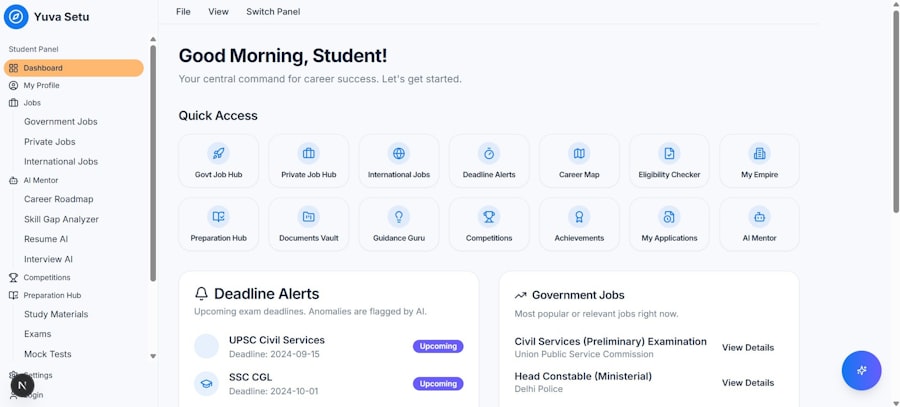
Your choice of email marketing platform is crucial. It will dictate the features available to you, the ease of use, and the overall cost. Many platforms offer robust automation capabilities, so you’ll want to find one that fits your budget and technical comfort level.
Essential Features to Look For
When evaluating platforms, consider the core functionalities that will enable you to build effective workflows.
Drag-and-Drop Email Builder
This is essential for creating visually appealing emails without needing to know HTML or CSS. You should be able to easily add text, images, buttons, and other elements to your emails.
Automation/Workflow Builder
This is the heart of your automation strategy. You need a visual interface where you can map out the sequence of your emails, define triggers, and set up conditions.
List Segmentation Capabilities
The ability to divide your subscriber list into smaller, more targeted groups based on demographics, behavior, or interests is vital for sending relevant content.
A/B Testing
To optimize your emails, you’ll want to test different subject lines, content, and calls to action. A platform that supports A/B testing is a significant advantage.
Analytics and Reporting
You need to track the performance of your automated emails to understand what’s working and what isn’t. Look for comprehensive reporting on open rates, click-through rates, conversions, and more.
Popular Platform Options to Consider
Several platforms are well-regarded for their email marketing and automation features. Research these to see which one aligns best with your needs.
Mailchimp
A popular choice for beginners, Mailchimp offers a user-friendly interface and a range of automation features, especially on its paid plans. Its visual automation builder is intuitive.
ConvertKit
Often favored by creators, ConvertKit excels in its segmentation and automation capabilities, focusing on delivering personalized experiences. Its workflow builder is robust.
ActiveCampaign
A more advanced option, ActiveCampaign offers powerful automation, CRM features, and sophisticated segmentation. It’s great for businesses looking for more in-depth functionality.
HubSpot
HubSpot provides a comprehensive suite of marketing, sales, and service tools, including a robust email marketing and automation platform. It can be a more significant investment but offers extensive capabilities.
Designing Your Workflow: Triggers, Actions, and Conditions
This is where the magic happens. You’ll be mapping out the logic that drives your automated emails. Think of it like creating a flowchart for your communication.
Understanding the Core Components
Every workflow is built upon a few fundamental building blocks. Mastering these will allow you to construct complex sequences with ease.
Triggers: What Starts the Automation?
A trigger is the event that initiates your automated workflow. Without a trigger, the automation has no reason to start.
- Examples:
- Subscriber joins a specific list or tag: This is common for welcome series.
- User performs a specific action on your website: Like visiting a particular page, downloading a resource, or adding an item to their cart.
- A date or event: Like a birthday or anniversary.
- Completing a form: Submitting a contact form or survey.
Actions: What Happens After the Trigger?
Once a trigger is activated, the workflow proceeds to perform a series of actions. These are the steps that make up your automated sequence.
- Examples:
- Send an email: The most common action. You’ll select the specific email you’ve created.
- Add or remove a tag: Useful for segmenting users based on their engagement.
- Update a contact property: For example, changing a status field.
- Wait for a specific duration: Introducing delays between emails to avoid overwhelming subscribers.
- Move to another automation: For more complex sequences.
Conditions: Branching Your Workflow
Conditions allow you to create different paths within your workflow based on subscriber behavior or data. This is where personalization truly shines.
- Examples:
- Has opened/clicked a previous email: You can send a follow-up to those who engaged and a different message to those who didn’t.
- Is a member of a specific segment: Tailor content based on existing audience segmentation.
- Has visited a specific page on your website: Trigger different actions based on expressed interest.
- Has purchased a specific product: Offer related products or upsells.
Mapping Out Your First Workflow (Example: Welcome Series)
Let’s walk through designing a simple but effective welcome series to illustrate the process.
Step 1: The Trigger – New Subscriber Joins Your List
- Action: When a new contact subscribes to your “Main Newsletter” list.
Step 2: The First Email – Welcome and Introduction
- Action: Send Email 1: “Welcome to [Your Brand Name]!”
- Content Ideas:
- Thank them for subscribing.
- Briefly introduce your brand and its mission.
- Highlight the primary benefit of being on your list.
- Include a clear call to action (e.g., “Visit our website,” “Explore our latest blog posts”).
- Consider a small, immediate offer if applicable (e.g., 10% off first order).
Step 3: The Delay – Allowing Time for Absorption
- Action: Wait 1 day.
- Reasoning: Give the subscriber time to read and absorb the first email before bombarding them with more.
Step 4: The Second Email – Value and Engagement
- Action: Send Email 2: “Discover What Makes Us Special”
- Content Ideas:
- Focus on your unique selling proposition.
- Share a piece of valuable content (e.g., a popular blog post, a helpful guide).
- Introduce a key product or service.
- Encourage interaction (e.g., “Reply to this email with your biggest challenge”).
Step 5: The Delay – Another Pause
- Action: Wait 2 days.
- Reasoning: Further spacing to maintain engagement without overwhelming.
Step 6: The Third Email – Building Trust and Social Proof
- Action: Send Email 3: “See What Our Customers Are Saying”
- Content Ideas:
- Share customer testimonials or case studies.
- Link to your social media profiles.
- Briefly mention any awards or recognition your brand has received.
- Reiterate the value they’ll receive from your emails.
Step 7: The Goal – Setting the Stage for Ongoing Communication
- Action: (Optional) Add a tag: “Welcome Sequence Complete.” This helps you track who has gone through the series and segment them for future campaigns.
- Reasoning: This marks the end of the automated welcome series and signifies that the subscriber is now ready for your regular newsletter content.
If you’re looking to enhance your email marketing strategy, you might find it beneficial to explore how to effectively utilize audience insights. A related article that delves into this topic is available at Unlock Audience Insights with Real-Time Reporting, which discusses the importance of understanding your audience to improve your email automation workflows. By combining the knowledge from both articles, you can create more targeted and effective email campaigns that resonate with your subscribers.
Creating Your Email Content
| Step | Description |
|---|---|
| 1 | Identify your target audience and their needs |
| 2 | Choose an email marketing platform |
| 3 | Create a lead magnet to attract subscribers |
| 4 | Set up an opt-in form on your website |
| 5 | Design a welcome email for new subscribers |
| 6 | Plan and create a series of follow-up emails |
| 7 | Automate the email workflow using triggers and delays |
| 8 | Monitor and analyze the performance of your email automation workflow |
The best automation in the world won’t work if your emails are poorly written or irrelevant. This is where you bring your brand voice and value proposition to life.
Crafting Compelling Subject Lines
Your subject line is the gatekeeper to your email. It needs to be enticing enough to make someone open it.
Tips for Effective Subject Lines
- Be Clear and Concise: Tell them what the email is about.
- Create Urgency or Curiosity: Use words that make them want to know more.
- Personalize When Possible: Use their name or reference their interests.
- Avoid Spammy Words: Steer clear of excessive exclamation points or all caps.
- Test Different Approaches: See what resonates best with your audience.
Writing Engaging Email Copy
Once opened, your email needs to hold their attention and guide them towards your desired action.
Key Elements of Effective Email Copy
- Personalization: Address the subscriber by name and tailor content to their known interests or behavior.
- Concise Paragraphs: Break up text into easy-to-read chunks.
- Strong Call to Action (CTA): Make it clear what you want them to do next, and use action-oriented language.
- Value-Driven Content: Focus on the benefits for the reader, not just features.
- Brand Voice Consistency: Ensure the tone and style align with your overall brand identity.
- Scannability: Use bullet points, bold text, and headings to make it easy to skim.
Designing Your Email Templates
A visually appealing email enhances the reader’s experience and reinforces your brand.
Best Practices for Email Design
- Mobile Responsiveness: The majority of emails are opened on mobile devices, so ensure your design looks good on all screen sizes.
- Clear Branding: Include your logo and use your brand colors consistently.
- High-Quality Images: Use relevant and professional images that complement your message.
- Sufficient White Space: Avoid a cluttered look; white space makes content easier to digest.
- Prominent Call to Action Buttons: Make your CTAs stand out and easy to click.
If you’re looking to enhance your email marketing strategy further, you might find it beneficial to explore the concept of behavioral segmentation. This approach can significantly improve the effectiveness of your campaigns by tailoring your messages to specific user actions. For a deeper understanding of this topic, check out the article on crafting authentic email campaigns with behavioral segmentation, which provides valuable insights that can complement your newly created email automation workflow.
Testing and Launching Your Workflow
You’ve put in the work, and now it’s time to ensure everything is functioning as intended before you unleash it on your audience.
The Importance of Thorough Testing
Launching an untested automation workflow can lead to embarrassing mistakes, damaged brand perception, and missed opportunities.
What to Test and How
- Test the Trigger: Subscribe yourself to your list or perform the action that should initiate the workflow.
- Review Each Email: Open each email that is sent in the sequence.
- Check for typos and grammatical errors.
- Verify that all links are working correctly and lead to the intended destinations.
- Ensure images are loading properly.
- Confirm that personalization fields (like first name) are populating correctly.
- Check the formatting and layout on different devices (desktop and mobile).
- Test the Delays: Ensure the wait times between emails are as intended.
- Test Conditional Logic: If your workflow has branches, test each path to ensure it’s directing users correctly. You might need to create test contacts with different attributes or behaviors to simulate these scenarios.
- Test the End of the Workflow: Verify any final actions, like adding a tag or sending a concluding email.
Launching Your Automation
Once you’re confident that everything is working perfectly, it’s time to activate your workflow.
Going Live
- Enable the Automation: Most platforms have a clear “Activate” or “Turn On” button for your workflow.
- Monitor Initial Performance: Keep a close eye on your analytics for the first few days and weeks after launching. Pay attention to open rates, click-through rates, and any immediate unsubscribes.
- Be Prepared to Adjust: Even with thorough testing, you might discover areas for improvement once your workflow is live. Be ready to make tweaks based on real-world performance data.
Iterating and Optimizing for Growth
Your first email automation workflow is just the beginning. The real power of automation lies in its ability to evolve and improve over time.
Analyzing Your Performance Data
Regularly diving into your analytics is non-negotiable. This is where you gain insights to make your automation even more effective.
Key Metrics to Track
- Open Rate: The percentage of recipients who opened your email.
- Click-Through Rate (CTR): The percentage of recipients who clicked on a link within your email.
- Conversion Rate: The percentage of recipients who completed a desired action after clicking through (e.g., made a purchase, filled out a form).
- Unsubscribe Rate: The percentage of recipients who opted out of your email list.
- Bounce Rate: The percentage of emails that couldn’t be delivered.
Making Data-Driven Improvements
Use the data you collect to inform your optimization strategy.
Strategies for Optimization
- A/B Test Subject Lines: Experiment with different subject lines to see which ones yield higher open rates.
- Refine Email Content: If an email has a low CTR, consider revising the copy or the call to action to make it more compelling.
- Adjust Timing and Delays: If you notice a drop-off in engagement after a particular email, consider adjusting the wait time before the next one.
- Improve Segmentation: As you gather more data, you might identify opportunities to create more refined segments and tailor your automated messages accordingly.
- Add or Remove Steps: Based on performance, you might find that a certain step is redundant or that an additional step is needed to guide users more effectively.
By embracing the iterative process of testing, launching, and optimizing, you’ll transform your initial email automation workflow into a powerful engine for engaging your audience, nurturing leads, and driving consistent business growth. Congratulations on taking this exciting step!
FAQs
What is an email automation workflow?
An email automation workflow is a series of automated emails that are sent to subscribers based on specific triggers or actions they take. These workflows are designed to nurture leads, onboard new customers, and engage with subscribers in a personalized and targeted way.
Why is it important to build an email automation workflow?
Building an email automation workflow is important because it allows businesses to deliver relevant and timely content to their subscribers, which can help improve engagement, conversion rates, and overall customer satisfaction. It also saves time and resources by automating the process of sending emails based on predefined triggers.
What are the key components of an email automation workflow?
The key components of an email automation workflow include defining the goal of the workflow, identifying the triggers that will initiate the workflow, creating a series of targeted emails, setting up the automation rules, and measuring the performance of the workflow through analytics and metrics.
How can I build my first email automation workflow?
To build your first email automation workflow, start by defining the goal of the workflow and identifying the triggers that will initiate it. Then, create a series of targeted emails that align with the subscriber’s journey and set up the automation rules using an email marketing platform. Finally, test and optimize the workflow based on performance data.
What are some best practices for building an effective email automation workflow?
Some best practices for building an effective email automation workflow include segmenting your audience to deliver personalized content, using clear and compelling calls-to-action in your emails, testing different email variations to optimize performance, and regularly reviewing and updating your workflows based on subscriber behavior and feedback.