


You’ve spent countless hours crafting compelling email copy, designing visually appealing templates, and even perfecting your subject lines. Yet, when you look at your open rates and click-through rates, you’re left feeling a little underwhelmed. You’re not alone. In today’s saturated digital landscape, simply sending emails isn’t enough. To truly capture your audience’s attention and drive meaningful action, you need to move beyond generic blasts and embrace the power of segmentation. This isn’t just a marketing buzzword; it’s a strategic imperative that allows you to deliver the right message to the right person at the right time, fostering deeper connections and ultimately maximizing your email engagement.
Before you dive into the “how,” it’s crucial to grasp the fundamental reasons why email segmentation is so impactful. Think of your audience not as a monolithic entity, but as a diverse group of individuals with unique needs, preferences, and stages in their journey with your brand. Sending the same email to everyone is akin to throwing darts in the dark – you might hit something, but it’s largely by chance. Segmentation, on the other hand, illuminates the target, allowing you to aim with precision.
The Problem with One-Size-Fits-All
Imagine you’re a new customer who just made your first purchase. Receiving an email promoting a first-time buyer discount would be irrelevant and, frankly, a bit annoying. Similarly, a loyal, long-term customer might feel undervalued if they consistently receive introductory offers meant for new leads. These missteps erode trust and signal that you don’t truly understand your audience.
The Power of Personalization
Segmentation is the bedrock of personalization. By dividing your audience into smaller, more homogeneous groups, you gain the ability to tailor your content, offers, and calls to action specifically to their interests. This makes your emails feel less like mass marketing and more like a direct, personal communication. When an email resonates with a recipient, they are far more likely to open it, engage with its content, and ultimately convert. You’re not just sending emails; you’re building relationships.
To further enhance your email marketing strategy, you may find it beneficial to explore the article on the IP warm-up process, which is crucial for achieving email success. This resource provides insights into how gradually increasing your email sending volume can improve deliverability and engagement rates. For more information, check out the article here: Understanding the IP Warm-Up Process for Email Success.
How to Begin Your Segmentation Journey
Embarking on the path to effective email segmentation doesn’t have to be overwhelming. Start with readily available data and gradually build more sophisticated segments as you gather more insights. The key is to be strategic and continually iterate.
Leveraging Demographic Data
Demographic information is often the easiest starting point for segmentation. While it might seem basic, understanding characteristics like age, gender, and location can provide valuable insights into your audience’s general preferences and needs.
Age and Gender-Based Segmentation
Consider how different age groups might respond to your messaging. Younger audiences might appreciate more playful language and visual content, while older demographics might prefer more formal communication and detailed information. Similarly, if your products or services cater to specific genders, tailoring your emails accordingly can significantly improve relevance.
Geographical Segmentation
If you have a physical presence or offer location-specific services, geographical segmentation is a no-brainer. Promote in-store events to local customers, highlight regional product availability, or send weather-appropriate recommendations. This hyper-local approach can foster a strong sense of community and drive immediate action.
Utilizing Behavioral Data
Behavioral data is where the true magic of segmentation begins to unfold. This type of data tells you what your subscribers do, providing invaluable clues about their interests, intentions, and engagement levels.
Purchase History Segmentation
Your customers’ past purchases are a goldmine of information. Segment them by product categories they’ve bought, the frequency of their purchases, or even their average order value. This allows you to recommend complementary products, offer exclusive discounts on their favorite items, or nurture them towards repeat purchases.
Website Activity Segmentation
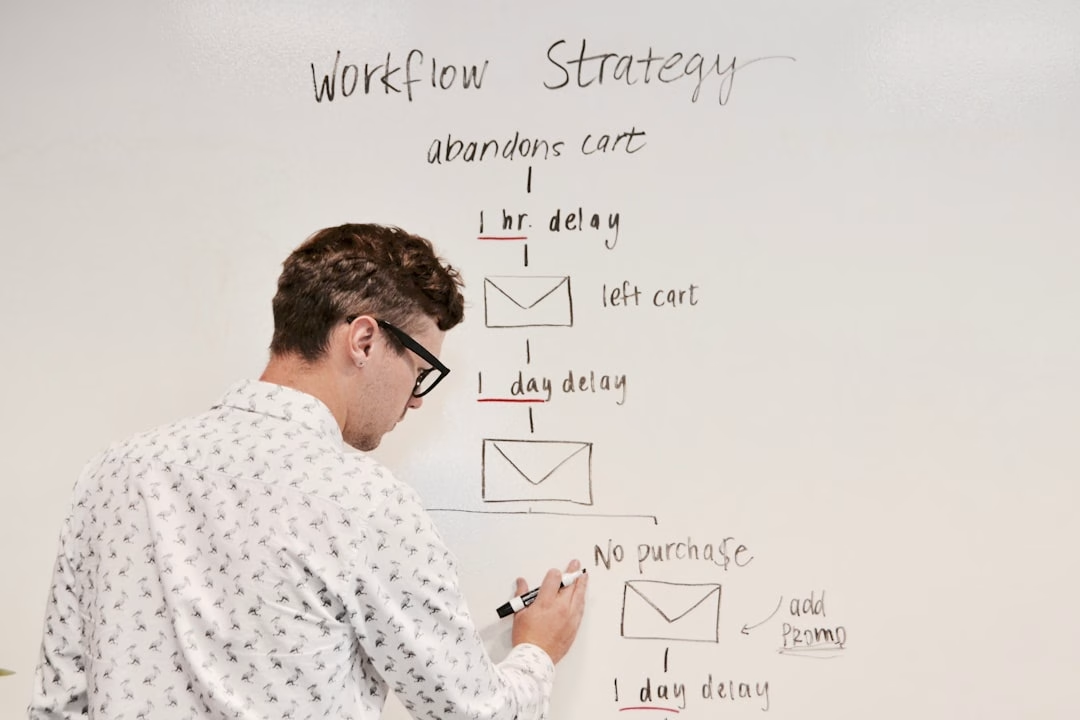
Track how subscribers interact with your website. Did they view a specific product page but not make a purchase? Did they abandon their cart? Did they spend a significant amount of time on your blog reading about a particular topic? These actions provide strong signals about their current interests and pain points, allowing you to send highly targeted follow-up emails.
Email Engagement Metrics
Your email service provider (ESP) provides a wealth of data on how your subscribers interact with your emails. Segmenting based on open rates, click-through rates, and even unsubscribes can help you identify your most engaged subscribers, re-engage dormant ones, and understand what content resonates most effectively.
Advanced Segmentation Strategies to Elevate Your Game

Once you’ve mastered the basics, you can move on to more sophisticated segmentation strategies that leverage a deeper understanding of your audience’s journey and preferences.
Lifecycle Stage Segmentation
Not all subscribers are at the same stage in their relationship with your brand. Tailoring your communication to their specific lifecycle stage is crucial for guiding them effectively through your sales funnel.
New Subscriber Welcome Series
Don’t just send a generic “welcome” email. Create a series of emails that introduces your brand, highlights your value proposition, and guides new subscribers towards their first interaction or purchase. Segment these welcome emails based on how they subscribed (e.g., website signup, lead magnet download) to make them even more relevant.
Engaged Customer Loyalty Programs
For your most loyal customers, implement segmentation that recognizes and rewards their continued support. Offer exclusive previews, VIP discounts, or early access to new products. This fosters a sense of appreciation and strengthens their bond with your brand.
Lapsed Customer Re-engagement Campaigns
Subscribers who haven’t engaged in a while aren’t necessarily lost causes. Segment these “lapsed” customers and craft specific re-engagement campaigns. This could involve offering a special incentive, reminding them of the value you provide, or even simply asking for feedback to understand why they disengaged.
Psychographic Segmentation
While demographic and behavioral data tell you who your customers are and what they do, psychographic segmentation delves into why they do it. This involves understanding their attitudes, values, interests, and lifestyles.
Interest-Based Segmentation
If you offer a wide range of products or content, allow subscribers to self-select their interests. For example, a clothing brand might let subscribers choose between “casual wear,” “formal attire,” or “accessories.” This ensures they only receive emails about what genuinely excites them.
Value-Driven Segmentation
Do your customers prioritize sustainability, affordability, luxury, or convenience? Understanding these underlying values allows you to frame your messaging in a way that resonates deeply with their core beliefs. For example, if you know a segment values sustainability, highlight your eco-friendly practices in your emails to them.
RFM Segmentation (Recency, Frequency, Monetary)
This powerful segmentation model is particularly effective for e-commerce businesses. It categorizes customers based on how recently they purchased, how frequently they purchase, and how much money they spend.
Identifying Your VIP Customers
Your “champions” are those who have purchased recently, frequently, and spent a significant amount. These are your most valuable customers, and your segmentation should reflect that with exclusive offers and personalized attention.
Nurturing At-Risk Customers
Customers who purchased long ago, infrequently, and spent little are “at-risk.” You can create targeted campaigns to re-engage them, perhaps with special discounts or personalized recommendations to win them back.
Practical Tips for Implementing Segmentation
Now that you understand the different types of segmentation, let’s talk about the practical steps to put it into action.
Start Small and Iterate
You don’t need to implement every single segmentation strategy overnight. Begin with the most obvious and impactful segments, analyze your results, and then gradually expand your efforts. It’s an iterative process of testing, learning, and refining.
Leverage Your Email Service Provider (ESP)
Your ESP is your most valuable tool for segmentation. Familiarize yourself with its features for list management, tagging, and automation. Most modern ESPs offer sophisticated segmentation capabilities that can save you significant time and effort.
Collect the Right Data
To segment effectively, you need accurate and relevant data. Ensure your website analytics are properly set up, utilize signup forms that collect useful information, and integrate your CRM with your ESP for a unified customer view.
Personalize Beyond Just the Name
While using your subscriber’s first name is a good start, true personalization goes much deeper. tailor the content, images, offers, and even the sender’s name to reflect the segment you’re addressing. Make it feel like the email was written just for them.
A/B Test Your Segments
Don’t assume you know what will work best for each segment. A/B test different subject lines, email copy, calls to action, and even sender names within your segmented campaigns. This data-driven approach will continually optimize your results.
Automate Where Possible
Once you’ve identified effective segments and corresponding campaigns, automate them. This ensures that new subscribers are automatically added to the correct segment and receive the appropriate series of emails without manual intervention. Automation frees up your time to focus on strategic planning and analysis.
To enhance your email marketing strategy, understanding the differences between various email delivery methods can be crucial. A related article discusses the choice between Email API and SMTP, which can significantly impact your campaign’s effectiveness. By exploring this topic, you can gain insights into how to optimize your email results through better segmentation and delivery techniques. For more information, check out the article on choosing the right email delivery method.
Measuring Success and Continuous Improvement
| Segmentation Strategy | Impact on Email Results |
|---|---|
| Demographic Segmentation | Higher engagement and conversion rates by targeting specific age, gender, location, etc. |
| Behavioral Segmentation | Improved open and click-through rates by sending personalized content based on user actions. |
| Interest-based Segmentation | Increased relevance and customer satisfaction by delivering content tailored to individual interests. |
| Purchase History Segmentation | Enhanced customer loyalty and repeat purchases by recommending products based on past buying behavior. |
Segmentation isn’t a “set it and forget it” strategy. To truly maximize your email engagement, you need to constantly monitor your performance and look for opportunities to improve.
Key Metrics to Track
Pay close attention to these metrics when evaluating your segmented campaigns:
- Open Rates: Are your subject lines resonating with specific segments?
- Click-Through Rates (CTR): Is your content relevant and compelling enough to drive action within each segment?
- Conversion Rates: Are your segmented campaigns leading to desired outcomes, such as purchases, sign-ups, or downloads?
- Unsubscribe Rates: Are certain segments experiencing higher unsubscribe rates, indicating a mismatch in content or frequency?
- Revenue Per Email (RPE): For e-commerce businesses, this is a critical metric to understand the financial impact of your segmentation efforts.
The Feedback Loop: Listen to Your Audience
Beyond metrics, pay attention to qualitative feedback. Are customers replying to your emails with questions or comments? Are they engaging with your social media posts in response to email campaigns? This direct feedback can provide invaluable insights for refining your segmentation strategies.
Evolving Your Segments
Your audience is not static, and neither should your segments be. As your business grows, your product offerings change, and your audience evolves, you’ll need to revisit and refine your segmentation criteria. Regularly audit your segments to ensure they remain relevant and effective. What worked a year ago might not be the most optimal approach today. Stay agile and adapt your strategies as you gather new data and insights.
By embracing email segmentation, you’re not just sending more effective emails; you’re building a more meaningful and profitable relationship with your audience. You’re demonstrating that you understand their individual needs, value their time, and are committed to providing them with relevant and valuable content. This strategic approach will undoubtedly lead to higher engagement, increased conversions, and a stronger brand loyalty that will serve your business well into the future. It’s time to stop shouting into the void and start whispering directly to the people who want to hear from you.
FAQs
What is email segmentation?
Email segmentation is the practice of dividing your email list into smaller, more targeted groups based on specific criteria such as demographics, behavior, or engagement with previous emails.
Why is email segmentation important?
Email segmentation allows you to send more personalized and relevant content to your subscribers, leading to higher open rates, click-through rates, and ultimately, better results from your email marketing efforts.
What are some common ways to segment an email list?
Common ways to segment an email list include demographics (such as age, gender, location), behavior (such as past purchases or website activity), and engagement (such as open and click history).
How can better segmentation improve email results?
Better segmentation can improve email results by delivering more targeted and relevant content to subscribers, leading to higher engagement, increased conversions, and ultimately, a better return on investment for your email marketing efforts.
What are some best practices for effective email segmentation?
Best practices for effective email segmentation include regularly updating and maintaining your subscriber data, using automation to trigger segmented email campaigns, and testing different segmentation strategies to find what works best for your audience.