



You’ve spent countless hours crafting the perfect email, refining your product, and targeting the ideal audience. You’ve even managed to get potential customers to sign up for your newsletter or download your lead magnet. Now what? Many businesses stumble at this crucial juncture, leaving valuable leads to languish in the digital ether. This is where automated follow-up sequences become your secret weapon, transforming prospects into loyal customers and maximizing your sales potential.
Imagine never missing a beat, consistently nurturing every lead, and building a powerful connection with your audience – all on autopilot. That’s the promise of a well-designed automated follow-up sequence. It’s more than just sending a series of emails; it’s a strategic communication journey that guides your prospects through each stage of the buyer’s journey, addressing their pain points, showcasing your value, and ultimately, driving them towards a purchase. By embracing this powerful marketing tool, you’re not just automating tasks; you’re automating growth.
In today’s fast-paced digital landscape, attention spans are fleeting, and competition is fierce. Simply capturing a lead isn’t enough; you need to engage, educate, and persuade them. This is where automation shines, allowing you to deliver timely, relevant, and personalized communications at scale, something impossible to achieve manually.
Why Manual Follow-Up Fails
You might be thinking, “Can’t I just send emails manually?” While admirable in theory, the reality is that manual follow-up is fraught with challenges and limitations that directly impede your sales efforts.
Time and Resource Constraints
Juggling an ever-growing list of leads, remembering who said what, and crafting individual responses for each one quickly becomes an overwhelming and unsustainable task. Your sales team members are valuable resources, and their time is best spent on high-impact activities like closing deals, not slogging through repetitive email responses. Manual follow-up diverts these resources, leading to inefficiencies and lost opportunities.
Inconsistency in Messaging
When multiple individuals are responsible for follow-up, the messaging inevitably becomes inconsistent. One sales representative might highlight a particular feature, while another focuses on a different benefit. This lack of uniformity can confuse prospects, dilute your brand message, and undermine trust. An automated sequence ensures every lead receives the same, carefully crafted message, maintaining brand integrity and clarity.
Missed Opportunities and Delays
Life happens. Sales reps get busy, go on vacation, or simply forget to follow up. Even a slight delay can mean the difference between a conversion and a lost lead, as prospects quickly move on to the next solution if their initial interest isn’t immediately nurtured. Automated sequences, however, work tirelessly 24/7, ensuring no lead falls through the cracks and every opportunity is seized with precision timing.
The Undeniable Benefits of Automated Sequences
Automated follow-up sequences are not just a luxury; they are a necessity for any business looking to scale and optimize its sales process. The advantages they offer are far-reaching and directly impact your bottom line.
Enhanced Lead Nurturing
Think of your automated sequence as your digital sales assistant, continuously engaging with leads even when you’re not actively working. It delivers valuable content, answers common questions, and builds rapport over time, gradually moving prospects closer to a purchase decision. This continuous nurturing process significantly increases the likelihood of conversion.
Increased Conversion Rates
By delivering highly relevant content at precisely the right moments, automated sequences effectively guide prospects through the buyer’s journey. You can address objections, highlight benefits, and provide testimonials, systematically dismantling barriers to purchase. This tailored approach leads to a noticeable uplift in your conversion rates, turning more of your prospects into paying customers.
Improved Customer Retention
The power of automated follow-up extends beyond the initial sale. Post-purchase sequences can be used to onboard new customers, offer additional support, solicit feedback, and even upsell or cross-sell related products. This continuous engagement fosters loyalty and significantly reduces churn, turning one-time buyers into lifelong advocates.
Scalability and Efficiency
One of the greatest advantages of automation is its ability to scale. Whether you have 10 leads or 10,000, your automated sequence can handle them all without a hitch. This frees up your valuable human resources to focus on complex negotiations, strategic planning, and building deeper relationships with high-value clients, ultimately boosting your overall operational efficiency.
In the realm of sales optimization, understanding the intricacies of automated follow-up sequences is crucial for enhancing outcomes. For those interested in further exploring this topic, a related article titled “Are Your Drip Campaigns Leaking Leads? How to Find and Fix the Gaps in Your Funnel” provides valuable insights into identifying and addressing potential weaknesses in your marketing strategies. You can read the article here: Are Your Drip Campaigns Leaking Leads?.
Crafting Your Winning Automated Follow-Up Sequences
Building an effective automated follow-up sequence is an art and a science. It requires careful planning, a deep understanding of your audience, and a commitment to continuous optimization.
Defining Your Target Audience and Segments
Before you write a single email, you need to know exactly who you’re talking to. Understanding your target audience is paramount to crafting messages that resonate.
Persona Development
Create detailed buyer personas that outline demographics, psychographics, pain points, goals, and preferred communication channels. The more specific you are, the better you can tailor your messaging. For instance, a small business owner might have different pain points and respond to different value propositions than a corporate executive.
Lead Segmentation Strategies
Not all leads are created equal. Segmenting your audience based on their behavior, interests, source, or stage in the sales funnel allows you to deliver highly personalized and relevant messages. For example, leads who downloaded an ebook on “email marketing strategies” can receive a sequence focused on email marketing software, while leads who attended a webinar on “social media advertising” can receive content related to social media tools. This level of granularity ensures your messages hit home.
Mapping the Customer Journey
Your automated sequence should mirror the natural progression of a prospective customer through their decision-making process. Think about the questions they have, the information they need, and the objections they might raise at each stage.
Awareness Stage Sequencing
At this stage, prospects are just discovering their problem and your potential solution. Your focus here should be on education and thought leadership. Offer valuable, non-salesy content that helps them understand their pain points better and positions you as a helpful resource. Examples include blog posts, infographics, and informative videos.
Consideration Stage Sequencing
As prospects move into the consideration stage, they’re actively researching solutions. Your emails should now introduce your product or service as a viable option, highlighting its benefits and how it addresses their specific needs. This might include case studies, whitepapers, comparison guides, or invitations to webinars demonstrating your solution.
Decision Stage Sequencing
At the decision stage, prospects are ready to make a purchase. Your focus shifts to conversion. This is where you can provide compelling offers, testimonials, demos, free trials, or direct calls to action. Address any remaining objections and create a sense of urgency (where appropriate) to encourage them to take the plunge.
Designing Engaging Email Content
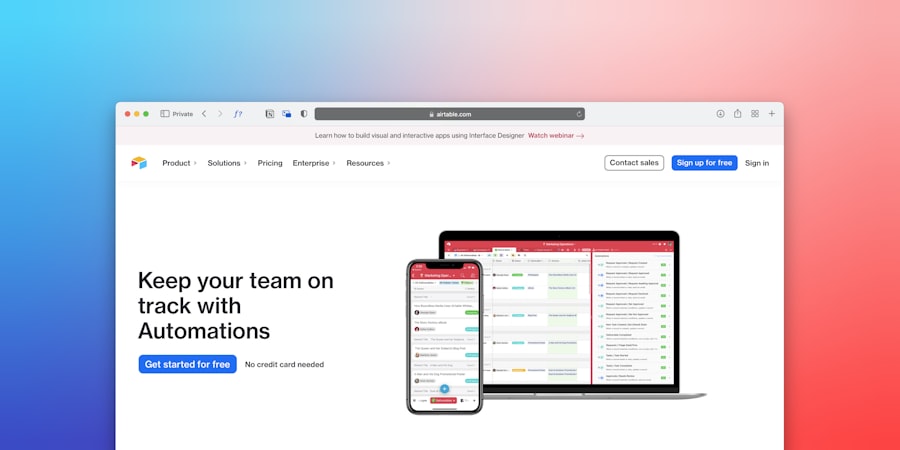
The success of your automated sequences hinges on the quality and engagement of your email content. Remember, you’re not just sending emails; you’re building relationships.
Automated follow-up sequences can significantly enhance sales outcomes by ensuring timely communication with potential clients. For those looking to further improve their email marketing strategies, a related article discusses the importance of maintaining clean email lists to maximize engagement. By exploring this resource, you can learn how to streamline your outreach efforts and suppress ineffective contacts, ultimately leading to better conversion rates. To read more about this topic, check out the article on clean email lists.
Crafting Compelling Subject Lines
Your subject line is your first impression – it determines whether your email gets opened or sent straight to the trash. A compelling subject line piques curiosity and clearly conveys value.
Personalization Tactics
Inject personalization whenever possible. Using the recipient’s name, company name, or referencing a specific action they took (e.g., “Your Guide to [Topic] is Here!”) can significantly boost open rates. Tailor your subject lines to the specific segment or stage of the journey.
Urgency and Benefit-Driven Language
Highlight a clear benefit the recipient will gain by opening the email. Phrases like “Unlock Your Potential,” “Solve Your Biggest Challenge,” or “Limited-Time Offer” can create a compelling reason to click. However, use urgency ethically and sparingly; false urgency can quickly erode trust.
Writing Irresistible Body Copy
Your email’s body copy is where you truly connect with your audience, educate them, and persuade them.
Value-Driven Messaging
Every email should offer tangible value. Whether it’s a helpful tip, an insightful article, or a solution to a problem, ensure your content is useful and relevant to the recipient. Avoid purely promotional content in early sequence stages.
Clear and Concise Language
Get straight to the point. Most people scan emails, so use short paragraphs, bullet points, and clear headings. Avoid jargon and complex sentences. Your goal is to make it easy for the reader to grasp your message quickly.
Strong Call to Actions (CTAs)
Every email should have a single, clear call to action. What do you want the recipient to do next? “Download the Guide,” “Schedule a Demo,” “Shop Now,” “Learn More” – make it explicit and easy to see. Consider using buttons for enhanced visibility.
Leveraging Different Content Formats
Don’t limit yourself to plain text. Diversify your content to keep things fresh and engaging.
Video Content Integration
Videos can be incredibly effective for explaining complex concepts, showcasing product demos, or building a personal connection. A short, well-produced video embedded in your email (or linked to) can dramatically increase engagement.
Interactive Elements
Consider using interactive elements like quizzes, polls, or surveys to gather information and encourage participation. This not only makes your emails more engaging but also provides valuable insights into your audience’s preferences.
Optimizing and Refining Your Sequences
The work doesn’t stop once your automated sequences are live. Continuous optimization is key to maximizing their performance and ensuring they remain effective over time.
A/B Testing for Maximum Impact
A/B testing (or split testing) is crucial for identifying what resonates best with your audience. Don’t guess; test!
Subject Line Optimization
Test different subject lines to see which ones generate the highest open rates. Experiment with length, emojis, personalization, and benefit-driven versus curiosity-driven approaches.
Call-to-Action (CTA) Variants
Test different CTA phrases, button colors, and placements. Even subtle changes can lead to significant improvements in click-through rates. For example, “Get Started Now” versus “Start Your Free Trial” might yield different results.
Email Content and Layout
Experiment with different email lengths, content formats (e.g., more images vs. more text), and overall layouts. Sometimes a simpler, cleaner design performs better than a complex, visually heavy one.
Analyzing Key Performance Indicators (KPIs)
Regularly monitor your sequence’s performance using key metrics to understand what’s working and what needs improvement.
Open Rates and Click-Through Rates (CTRs)
These are fundamental metrics. Low open rates suggest your subject lines need work. Low CTRs might indicate issues with your body copy, CTA clarity, or offer relevance.
Conversion Rates and Revenue Generated
Ultimately, your sequences should drive conversions and revenue. Track how many leads convert into customers and the revenue attributed to each sequence. This is the ultimate measure of success.
Unsubscribe Rates and Spam Complaints
High unsubscribe rates or spam complaints are red flags. They suggest your content isn’t relevant, you’re emailing too frequently, or your messaging is off-putting. Address these issues promptly to maintain a healthy email list.
Iterative Improvement and Adaptation
The market is dynamic, and your audience’s needs can evolve. Your automated sequences should be living documents, constantly refined and adapted.
Regular Content Audits
Review your email content periodically to ensure it remains accurate, relevant, and engaging. Update outdated information, refresh testimonials, and incorporate new product features.
Responding to Customer Feedback
Pay attention to direct and indirect customer feedback. If customers frequently ask the same questions, integrate the answers into your sequence. If they express confusion about a specific step, clarify it.
Staying Abreast of Industry Trends
Keep an eye on email marketing best practices, new technologies, and shifts in consumer behavior. Adapting to these trends will ensure your sequences remain cutting-edge and effective. For example, the increasing popularity of mobile browsing necessitates mobile-optimized emails.
By meticulously planning, crafting engaging content, and continuously optimizing your automated follow-up sequences, you transform your sales process from a reactive struggle into a proactive, highly efficient engine for growth. You’re not just sending emails; you’re building a seamless, personalized journey for every prospect, nurturing them from initial interest to loyal advocates, and ultimately, maximizing your sales potential like never before.
FAQs
What are automated follow-up sequences?
Automated follow-up sequences are a series of pre-written emails or messages that are automatically sent to leads or prospects at predetermined intervals. These sequences are designed to nurture leads, build relationships, and ultimately drive sales.
How do automated follow-up sequences improve sales outcomes?
Automated follow-up sequences improve sales outcomes by ensuring consistent and timely communication with leads and prospects. They help to keep your brand top of mind, provide valuable information, and guide leads through the sales funnel, ultimately increasing the likelihood of conversion.
What are the key benefits of using automated follow-up sequences?
Some key benefits of using automated follow-up sequences include saving time and resources, maintaining consistent communication, personalizing interactions at scale, and increasing the efficiency and effectiveness of the sales process.
How can businesses implement automated follow-up sequences effectively?
Businesses can implement automated follow-up sequences effectively by first understanding their target audience and creating relevant and valuable content. They should also utilize marketing automation tools to set up and manage the sequences, track performance, and continuously optimize based on data and insights.
What are some best practices for creating automated follow-up sequences?
Some best practices for creating automated follow-up sequences include segmenting your audience for more personalized messaging, using a mix of content types and calls to action, testing different messaging and timing, and regularly reviewing and updating the sequences based on performance and feedback.